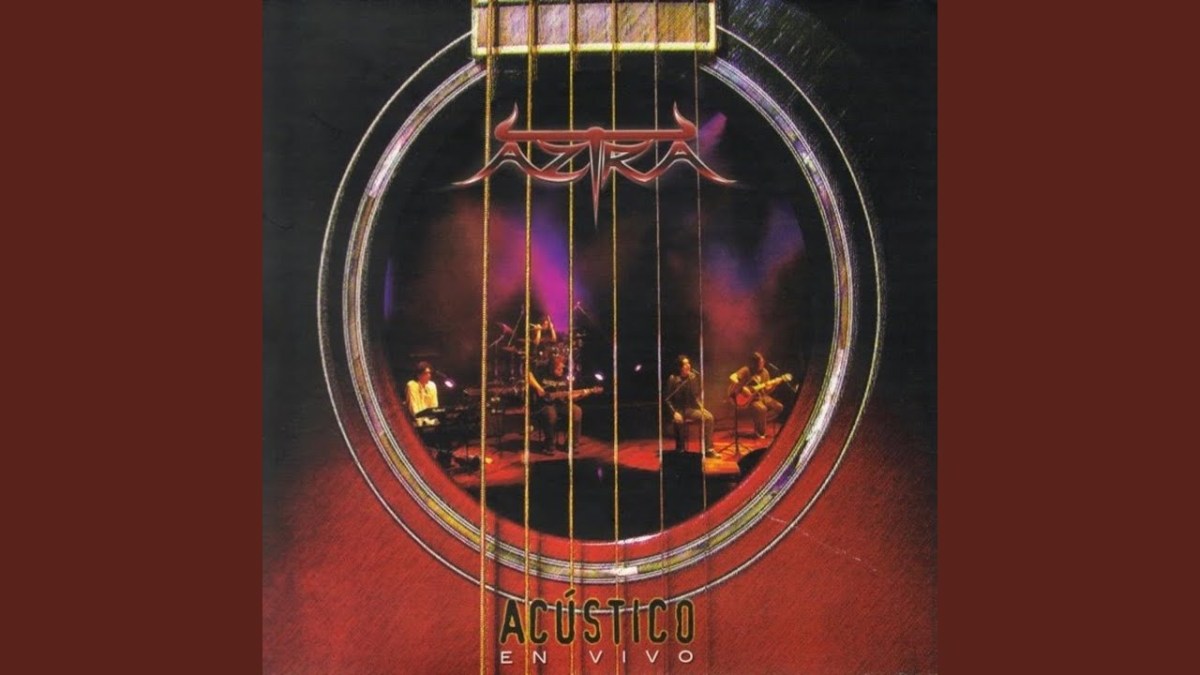
Just as with we did with Panopticon, we are diverting from our focus a bit for a band that is not known primarily for its neofolk tracks, but is still so indebted to the genre that they deserve attention. Aztra is an Ecuadorian metal band based out of Quito that has made regional folk music the core of their sound since their founding in 2005, drawing out in the same way that the revival of Northern European country folk music built the core of early neofolk bands. This cultural revival has a point for Aztra, particularly drawing out the importance of the indigenous folkways of Ecuador that have been erased through centuries of settler colonialism.
It is that folk metal sound that links together their six full length albums, ranging between explosive and stagey metal songs and neofolk that sources much of its instrumentation and rhythm to the indigenous communities that the band members come from. There is a certain fusion at work, between epic metal coming out of the late 80s American scene and regional folk music,patched together into a tapestry that is both wholly original and reminiscent of Latin American metal bands of the 90s. Aztra is not afraid to go over the top, to wail in the way that 3 Inches of Blood or Dragonforce did, which is why songs about liberation and class war are still so fun. The infusion of Amorfino, Sanjuanito, and the kind of songwriter finger-picked guitar makes it feel as though anything could surface because there is such a well of musical history to pull from.
Because Aztra is definitely more of a metal band we are spending a little less time on them, but their anarchist and anti-colonial roots make them perfectly centered for our mission, and since they drive heavily into the neofolk scene we think they should be included. This is especially true with albums like Guerreros (2016) and Raíces Latinoamérica (2012) where they allow the folk music to really bring us back to the stories of home. It is their 2010 live album Acústico Vivo that we are going to embed because it so perfectly fits the neofolk parameters, especially when we think of neofolk as an international phenomenon that draws on folk music traditions of different regions. This is important as we demolish the Eurocentric perspective on the genre that has been driven by the far-right scene and prioritize indigeneity around the globe.
It is also in Acústico Vivo where a certain passion erupts, the return to the Latin ballad, and a broad range of instrumentation, including the wooden flute that stands out in neofolk. There is a rhythmic pacing to each song that never feels as though it is backing away from the epic intensity that their metal songs are branded with.
Aztra’s name comes from the sugar mill where workers went on strike in 1977, but were attacked by the dictatorial forces. They are vocal in their opposition to the economic globalization offered by the World Bank and IMF, particularly how it affects indigenous communities in the global south. Lyrics to songs like Hijos del Sol speak to this:
We sing for the child and because everything
And because some future and because the people
We sing because the survivors
And our dead want us to sing
We sing because the scream is not enough
And it’s not enough cry or anger
We sing because we believe in people
And because we will defeat defeat
We sing because the sun recognizes us
And because the field smells like spring
And because on this stem in that fruit
Every question has its answer
We sing because it rains over the groove
And we are militants of life
And because we can’t even want
Let the song become ash.
The band hopes that their music will serve as inspiration in the same way that music has always powered vibrancy and resistance in Ecuador. The album Guerreros, which is ‘warrior’ in Spanish, burned this spirit into the record.
Warriors born as a proposal of social resistance, day by day we live constantly fighting from any space and from any stage, to each of the members and militants of our people, that makes us warriors. Our trench is art. We are warrior workers of the art that we are looking for day to day better conditions of life for our towns.
This means truly rethinking what struggle is, outside of the confines of what anarchism has offered before, and instead with “each song we are always proposing new ways of building a different and fairer society.”
We are putting an Acústico Vivo track below for you to check out (but no Bandcamp, unfortunately), and we have added several Aztra songs to the Antifascist Neofolk Spotify playlist. Check out both below:
And, as always, add the Spotify Antifascist Neofolk Playlist!

 A Blaze Ansuz: Antifascist Neofolk