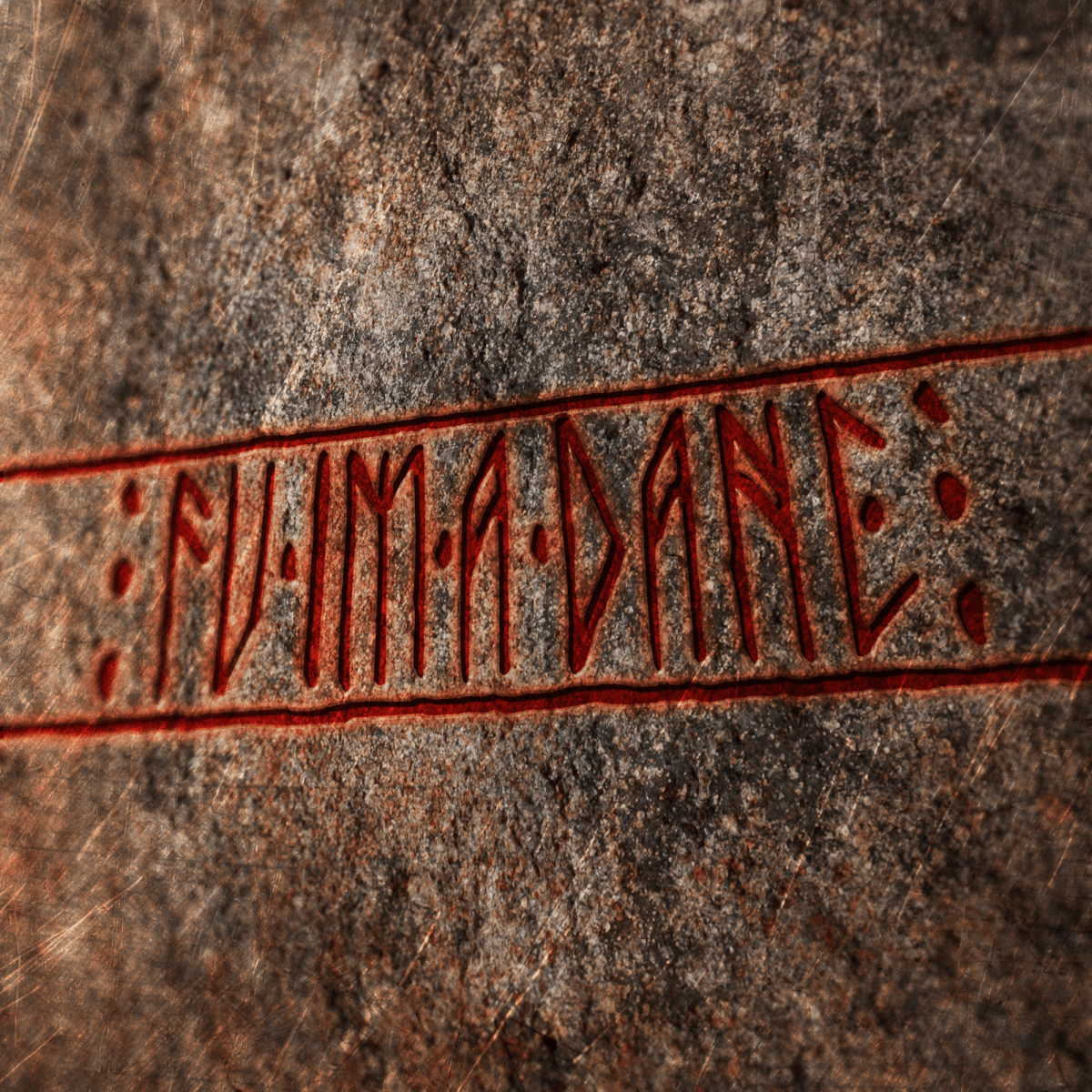
There is a growing scene often referred to as Nordic Folk, neofolk and neo-medieval music inspired heavily by Heathenry and the Viking history of Nordic culture. This is a particularly volatile battleground because of the Nazi appropriation of Nordic Paganism, and this is why bands in this genre are often speaking out so openly. This is particularly important since Nordic Folk rarely moves into contemporary politics, so we need to be able to create a scene where no tolerance for the far-right is made explicit.
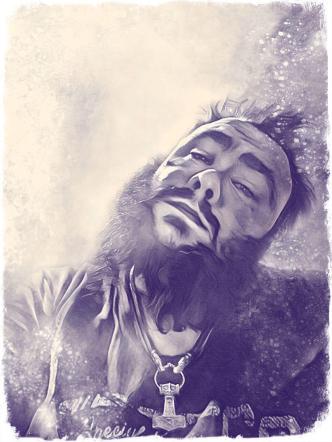
When we came to Jon Krasheninnikoff Skarin, the man behind the Nordic Folk project Fuimadane, about doing an interview, he was more than excited. Rarely is being open as an antifascist something that brings cache is neofolk circles, and he wants that to change. Even though Fuimadane eschews any politics in the music itself, as an immigrant he knows how essential it is to take a stand. Fuimadane’s music really comes out of Skarin’s history as an electronic musician and feels like a beautiful and evolving synthesis between a whole range of post-industrial music, from classic folk instrumentation to ambient synth-drone.
How did your band come together?
I started out making music in different genres before creating Fuimadane. Originally creating electronic/techno tracks for the entertainment of my family and friends, I later discovered my love for the medieval/folk/viking age genre. This ultimately lead to the creation of Fuimadane.
Does spirituality play into your project?
I do consider myself a very spiritual person. Ever since my teenage years, I have suffered from several mental illnesses. What I found always helped me through that difficult time in my life was being able to focus or connect to spiritual energy, finding solace in nature. It has become a big part of my life and who I am. So, yes, it really does.
What bands inspired you in doing the work?
My friend Mike Olsen, who you might know as Danheim, has always been a big influence on me, as well as my other brothers from Fimbul Records – Gealdýr, Rúnfell. Other bands that inspire me are Heilung, Corvus Corax and Wardruna. Anything that blends medieval, folk, viking age or ancient music with modern techniques and styles feels very powerful to me.
How did you start to develop your sounds, and how do you define it?
I started my music career as an Electronic music producer because of my love for 90’s Dance / Trance music. It had such an impact on me that I wanted to create a style like it myself, so I taught myself how to create music with the few means I had. It wasn’t until I discovered medieval and folk music for myself that I slowly started to blend genres together in a more serious way, specifically seeking out Instrument- and SFX Libraries that I feel would fit the genre. Neo-medieval music with a Classic-Modern style and “arrangement” is what I would call it now. Not too complex, but drawing influence from both genres.
There seems to be a strong spirit of resistance in the music, not just lyrically but in the way that folk music is made so vibrant. Do you see this project as inherently tied to politics, or collective liberation?
I try my best not to let political views influence my work, though I acknowledge that any form of art, particularly the one targeting something as previously tainted as the Norse ideology, can never really be separated from politics. At least not in the mindset of those who consume it.
The only conscious involvements of politics I’ve ever displayed on any tracks of Fuimadane are tracks that have historical influences, for example tracks inspired by the times when Danes turned from Heathens to Christian. My latest album ”Kominn vel á sik” for example begins in a church, and from there starts reverting back to something more primal. A musical manifestation of my take on returning back to the old ways. Heathen/Pagan life is certainly part of what inspires me, but I hope my music can be enjoyed regardless of who the audience views is.
There is a huge variety, it moves from frenetic synth inspired tracks to very slow and plotting melancholy sound, do you feel like you are constantly reinventing your sound?
I am always on the hunt for new ways to convey certain feelings and emotions, but finding something that feels right always depends on my own mood. There are certain recurring themes I want to incorporate in each album – a very emotional Track, one that’s very granular, an epic orchestral one – and so on. I try to keep these ”molds” very vague and not recreate the same sound every album, but the outcome will always depend on the mood I’m in as I compose them. At the end of the day, whatever feels right to me will be what I release.
What drives your commitment to antifascism? Have you experienced a lot of white supremacist attitudes in the pagan and neofolk scene?
Yes, I have been subject to their hate for being who I am – many telling me I am not ”dane enough” because of my Russian ancestry. I don’t tolerate racism or white supremacy around me, in any way or form, I don’t actively try to pick an unsolicited fight with them. I have a simple rule: If I open my doors for you, behave and respect my home and family.
Why do you think it is important to be a publicly antifascist band? How does antifascism inform your music?
History is a huge influence for me, and it is very important to me to know what or where we came from. My music has focus and inspiration from the Heathen traditions and Pagan style, but I also try to be very inclusive of other ethnicities, hence drawing inspiration from many corners of the world – all over Asia, Russian, Native American and many others. Limiting oneself to just one style is like limiting oneself to one mindset, very conservative. There is a time and place for honoring one’s roots, but if that means compromising another person from honoring theirs, then that’s wrong.
Music is a universal language, and everyone should have the right to feel, experience and enjoy it.
What other social issues play into your music? There is a strong sense of a need to a return to a cyclical, grounded way of life in communities.
Indeed, I believe that in the past we were much more connected in tight knitted communities. Until the greed of mankind altered faiths and believes for there own benefits. Now its all about money, and we teach our children at an early age already that they need a good job and education to be able to afford a good life. I don’t believe in that. What I believe in is that you are the one forging your own fate. Find what makes you happy, what feels right to you and pursue it. Don’t just live and work to pay the next bill. Enjoy life to the fullest, and have fun doing what you do. I think that’s one of the things I want to express with my music.
What other bands do you recommend for antifascist neofolk fans?
We are putting several Fuimadane tracks below from their previous releases available on Bandcamp, and are also adding three Fuimadane tracks to our Antifascist Neofolk Playlist on Spotify.
 A Blaze Ansuz: Antifascist Neofolk