In just a matter of months really, Ashera has become one of the defining bands of a new wave of explicitly antifascist neofolk. It is hard to call this a genre since what binds it together is largely not based in the actual sound of music, it is more in a type of negative space. If neofolk has so often been ceded to the far-right, assumed to be a romantic nationalist artform created by and for racists, the very existence of an antifascist neofolk that rejects that world had the effect of being a novelty. Ashera was one of the bands that helped move the concept from a curiosity to a new operative principle. We are now entering an era where hundreds of bands are taking on this mantle, bringing in a massively diverse wave of neofolk, black metal, and intersecting types of music all brought into a kind of (dis)harmony by its disallowal for fascist politics.
Instead, Ashera’s romanticism can be said to be grounded in a type of anticapitalism. Deborah and Justin Norton-Kerston, the two members of Ashera, are both organizers, grounded in the world of labor strikes and eviction defense, so this energy pervades everything they have produced, which has been a lot.
In a lot of ways their new album Rob the Rich shows that neofolk was really just a starting point as they push their way into everything from psych and prog rock to Appalachian hill folk. Genres have a utility, they give us starting points and can spark creativity by allowing a common musical language, but they can also create boundaries that are best when broken. The new 10-song release is a wonderful extension past the limits of antifascist neofolk, which has the effect of both expanding what we could expect from the band and the genre itself. One of the featured tracks, “The Battle of Portland,” is a seamless mix of the noise of the protest confrontations that converged on Portland in the summer of 2020 and the fluid, synthesis driven sound that was the foundation of their first EP, Antifascist Lullabies. Other tracks, such as “All Cops Are Bastards,” feels more like the acoustic “singer-songwriter” melodies that mark the soundtrack for summer hippie festivals and jam-band revivals. Antifascist neofolk is starting to stake its claim not just on a particular lyrical or ideological frame, but also its own distinct relationship with folk music and how it wants to create a 21st century synthesis. Rob the Rich is a vital part of that process.
We interviewed the band about this new release and are happy to embed it here for the first time so that those who have made A Blaze Ansuz something special are able to hear it first. We have also added several tracks to the Antifascist Neofolk Playlist on Spotify, which we will continue to update to allow it to remain an ever-growing space for building the space. Ashera has never shied away from a “contested space,” to be open about who they are in a genre that was not immediately welcoming. That principle-first approach helps to drive the space open for all of us, and we need more bands that will follow Ashera’s example.
What was your thinking going into this new album? How did it evolve from your earlier work?
In terms of thematic concepts, Rob the Rich shares a focus on antifascism with our first EP. The idea here though was to explore some aspects of fascism such as white supremacy, privilege and patriarchy more closely, whereas the Antifascist Lullabies EP was kind of more just revolt and burn it down. I mean that stuff is still there in Rob the Rich too, but that ‘fight the war’ aspect takes a little bit more of a backseat on this album to exploring different aspects of fascism, how they are used, how they affect society, and how we can fight back against them aside from, and in addition to, going out and punching Nazis.
You seem to be branching out past the narrow focus on neofolk. How do you think about genre in the project, and do you feel held back by it?
I don’t think I’ve ever really thought about it as being held back by genre. I love neofolk music and our roots as music collaborators goes back to the first band we were in together, The Cloverfields, which was a pagan neofolk band that played the pagan festival circuit in Southern California. But it has always been hard for me to stick to any particular genre, and I went into writing Rob the Rich with the idea that I wasn’t trying to force it to be a strictly neofolk album. So I just went with it when other stuff like blues, shoegaze, psychedelic, and classical influences started weaving their way in.
There are still some strong elements of neofolk throughout the album that are meant to help keep it in the family, so to speak. The vocals have a lot of reverb on them, for example, and the whole album has a dark folk kind of atmosphere. “Eat Your Landlord” is a good example of a song on the album that has a lot more of a traditional neofolk sound than some of the other tracks. So I guess if I think about it in those terms. I do feel like genre is a bit confining in terms of the art of creating music, at least that’s true for my creative process and direction. It may be helpful for other people and their creative process and that is totally fair and valid too.
How does the year (2020) play a role in the album? It seems like it is a major character in the story.
This album wouldn’t be the same if it hadn’t been composed and recorded in 2020. I started composing the album in late April 2020. Breonna Taylor had been murdered by police in Kentucky the month before, and it was only a few weeks later that police in Minneapolis killed George Floyd, the Black Lives Matter movement erupted again, and the Portland uprising began. All of that played a big role in the album as we explored themes like white supremacy, institutional racism and police brutality, the revolt against capitalism, the growth of anarchism and socialism, and the disturbing spread of neo-fascism. Musically, a lot of the harmonic dissonance in the album is designed to convey the tension and anxiety that I think we’ve all felt this year as a result of the pandemic and all of the socio-political stress around the protests and the election season. Walk us through your production process.
How do you write music and what does recording look like?
A song usually starts as an idea for lyrics, whether it’s a line of verse or just a general theme. Then I’ll sit down with an acoustic guitar and start toying around melodies. Every once in a while a composition will start musically with some sort of hook that I have running through my head.
The title track on Rob the Rich is a good example of that where I had the idea for the guitar hook before the lyrics. Most often though, some of the lyrics come first, and then I sit around humming a line of lyrics while noodling around on the guitar trying to find the right melody and chord progression for the ideas and feelings I want the lyrics and the song to convey.
Once a song is written, the recording process always starts with the ritual of laying down a kick drum beat that I use as a metronome when recording the other instruments. That happens even if the song isn’t going to have any percussion in it. From there I’ll build the song by recording the rhythm section: acoustic guitar, bass, maybe piano. After that I record at least a scratch vocal track of the lyrics and basic vocal melody, and then I build other instruments like lead guitar, banjo, mandolin or baglamas on top of that. If there is any percussion other than the kick drum it usually gets created toward the end, and then once all of that is there we record vocals over it.
Recording vocals always starts with getting a good take for the main melody vocal. Then we play around with different ideas for harmony vocals. We generally record quite a few different harmonies for each song and then decide what we like and want to use later on during mixing. For this album we had a good friend and old bass player of ours at Unit-42 do the mix. So that process was a lot of fun sending tracks back and forth, talking about the songs and shaping them together. And there is a lot of clean up that takes place during the mixing process too. They come back and say hey I want more of this, or you should re-record that, or you know you can do it better. I really enjoy the collaborative aspect of creating music.
How does anticapitalism inform your creative mission? An anticapitalist vision has always been central to Ashera’s music and the kind of culture that we’re trying to foster through the music. It’s the soil that project germinates in. Anticapitalism was certainly a theme of our first EP, and on this new album songs like “Eat Your Landlord” and Rob the Rich are steeped in everyday folk resistance to the forces of capitalism. Even other songs like “Consequences,” “Betray Whiteness,” or “All Cops Are Bastards” explore things like patriarchy, white supremacy, and police violence that are all used, shaped, and in some cases even created by capitalism as tools of oppression that serve to maintain the status quo and ensure its continuance. So in a lot of ways anticapitalism has a strong influence on our creative mission.
Check out the full album here, and their music video for “All Cops Are Bastards” above.
Peace Through Decay’s debut album “Grey Skies Loom” is like a punch in the gut, a stirring and intense piece of auditory propaganda. It has notes of post punk and industrial alongside folk elements and musically could be described as martial industrial and dark apocalyptic folk. With themes of both nihilistic pessimism and hope, PTD stands firm that we won’t “experience peace until the descent into decay, both in physical death and socially and politically, a descent into anarchy…. the overthrowing of tyrants…” namely by taking a stand against fascism. This is militant folk at its most confrontational. Naturally, we wanted to talk to Adam Norvell about PTD, the state of politics, and the possibilities of apocalypse…
Jay Nada: First, can we get a little background on your band? Is this a solo endeavor or do you have collaborators? When did this band begin, and what drove you towards making music?
Adam Norvell: Peace Through Decay came into proper existence this year, although, it technically has been around since 2014 under a different name. I say “proper existence” because its previous incarnation was me experimenting and still learning (and it’s all quite unlistenable!). Names are important to me and I had to pick something that truly resonated with me. I chose Peace Through Decay because I spent a large part of this last year (When I was living back home in Illinois) traveling the countryside in search of abandoned houses and properties and photographing them. Being inside these places conjures so much emotion in me and its peaceful in its absence but can sometimes be terrifying and cruel, but altogether beautiful. My name for this project reflects that, becoming one with nature. Even if twisted and bent out of shape, it’s inevitable and moving.
This is a solo endeavor at the moment but I’m always open to collaborations and adding members if I met people who were interested in joining me. As for what drove me towards making music, in general, I’ve always been artistically inclined and have been drawing since a very young age so the next step for me was music and I started with learning to play the bass when I was fourteen. Then I moved to acoustic guitar and so on until now where I can play most instruments that require plucking, strumming or hitting. I moved towards making neofolk because it has been one of my favorite genres since I was 16 and when I hear something I love, I always want to try creating something in a similar vein but under my lens. I started with making deathrock (and still do make it), but I quickly found I needed to start different projects under different names because trying to fit all the musical ideas and sounds I had under one name just seemed like an awful choice to me and as such, eventually made Feline Decay which turned into Peace Through Decay. I wanted to make this project sound clearly like neofolk but also bring in influences of post-punk, deathrock, goth and anarcho-punk while having a more raw sound with a clear message.
JN: The lyrics evoke a sense of hopelessness and impending collapse of society… can you elaborate on this theme and how does it play into your message?
AN: The lyrics definitely are meant to invoke that, that impending sense of apocalypse, apocalyptic folk as it were. I think thematically it is a mirror of my mind viewing the world as I am witnessing it and my thoughts that correspond with it. There’s many emotions I feel because at one moment I long for this collapse as a catharsis for our dying planet, something we’ve tried to mold and break to our fitting that is going to come back and bury us but I also hope (naively so, perhaps) that we will actually have a mind of realization as people and come together to throw off our chains put on us by capitalism and the affluent rulers who are driving us further and further apart from each other, from our happiness and also nature. I tend to switch back and forth between hope and despair and it depends on the day, really. Nihilism plays a big influence on my music although rather than it stating “nothing matters, so do what you wish” I like the idea of “nothing matters so create more good”. I also want to be clear and say I do not mourn the collapse like other bands in the scene do because I think the whole concept of “the West” is ignorant and it is built on the back of imperialism and privilege. How can the fall of something that divides us be bad?
JN: Your current release is a cacophony of folk, martial and experimental sound. You use a variety of textures and layers. Do you plan (hypothetically of course, in a fantasy world where Covid-19 is no longer a factor) to bring your music to a live setting? If so, how do you hope to do this, and what would be your ideal concert?
AN: I would love to play live one day and have given this a bit of thought but am unsure of how I would proceed since I’ve always focused more on the recording and production aspect of music since I first started writing. Ideally, I’d like at least one other person with me on stage but the dilemma is finding someone who is interested in the genre and would want to join me on stage. I’ve often thought of just using noisescapes and samples while I batter the Tom and yell at people, but I’ve not committed to that idea just yet! We will see, but one day, I’d very much like to. I will add that in lieu of live performances, I am very active in writing and have started recording this first album and also have a split with Autumn Brigade in the works as well.
JN: What is your creative process? Does the music come first, or the lyrics?
AN: My creative process is not something that is concrete but it is different for each of my projects. With Oeace Through Decay I have years of lyrics written down and more still come, but I typically write the music seperate and eventually find what works together the best. There are exceptions to this however as I wrote “Fall Down”, “Bitter Sunlight” and “Arrow In Heart” on the spot with both lyrics and guitar. I find the songs that write themselves to be my favorite because they feel so natural, though, it is a rare occasion that I find that happens.
JN: Do you have any particular influences, or even recommendations, to paint a broader picture of your music? If you were to recommend a piece of art or literature for your listeners to get a better grasp of your music, what would that be?
AN: A great majority of my influence comes from bands like Cult of Youth, Lakes, Rome, Et Nihil/Luftwaffe, Ordo Rosarius Equilibrio and early Death In June. I’m a fan of the sound of toms so martial drumming really hits that spot with me as does deathrock and post-punk and learning more and more about production. I have a great appreciation for good sounding production, especially big sounds like on Flowers From Exile, but also love raw and lofi sounding stuff and sampling. So basically I’m trying to mold all of that together in my own head and on the first release, I kept it simple I think and stayed more in line with the neofolk/martial sound, with acoustic guitars and noise escapes with distorted backgrounds and martial drumming, and I’ll probably keep that for the first album, but I’d like to eventually expand my sound and bring more elements in if I can. Some more not so obvious influences on my work in this project are No Sir I Won’t and Seeming, two projects I admire for their music and their lyrical content and themes. I’m a bit of a music nerd. I must also add the huge influence people close to me have had on me, while not on the sound itself but the making of it, those being my love and fiancè who supports every creative endeavor I seek to complete, my best friend Chase Brockunier who makes his own music here, my sweet artist and dear friend Karl McKnaught who makes very stylized and wonderful art on his Instagram here and lastly my very good and dear friend Matthew Randall who runs Juice Of Mango records and makes great Noise in Crustgirls. They all are the reason I’ve been making so much art and music lately, so I had to include them.
If i were to recommend art or literature to help convey my sound, I’d recommend reading the poetry of Oliver Sheppard as it’s very apocalyptic and downright gothic and both books of his prose are excellent, though I think one is out of print now. If I were to recommend art, I’d recommend any pictures of burning police buildings and looking at physical guillotines (I could recommend a lot of art but I don’t think anything matches my music more than those mentioned).
JN: Can you elaborate on reconciling having projects like Death In June as an influence while not supporting their work or message?
AN: Having started out enjoying their music and then having that realization that they aren’t doing this just as shock tactics, I wanted to be clear in what sort of vein of influence has worked it’s way into my sound. Not outright copying but I wanted to offer something similar to their sound without the guilt of supporting fascism like I eventually felt. I don’t listen to DIJ anymore but I wanted to be honest and show that it’s okay to have started there and realized what you were supporting so that other people might not feel that guilt. I also think it would be great if Douglas or someone saw like “Oh I influenced… wait a minute… antifascists?!”
JN: So, on that notion… A vast majority of the music in this genre purports an apolitical and counter-ideological stance, what do you think of this and why do you think this is? Do you have any particular political tendency, and if so, how does it play a role in your work?
AN: I think it’s honestly ignorant, this whole “apolitical” excuse bands put out as an excuse to make their musics message interesting. It’s no secret that there are fascist leanings in the scene, whether the bands want to admit it or not. I believe in “say what you mean and mean what you say”. I understand keeping a mystery to art, I studied it, but I believe in that with visual art. With music you are communicating something, yes visually, but verbally and musically as well. If you’re going to be provocative, then you must be forward about it, like Throbbing Gristle was. They complain about concerts getting shut down but skirt the issue in their explanations. Just be forward. I don’t know, it’s gotten on my nerves. In the beginning, I had no idea of any connotations because I had dial-up (I lived and grew up in the sticks) and would buy CDs based on little bits I’d hear of it online.
As time went on, I dismissed it because “Well, I’m not fascist and doesn’t make me want to be, so it doesn’t matter” and now I’ve realized that kind of imagery makes an impression on the wrong people, whether it means to or not, so any excuse that doesn’t dismiss it is problematic, especially in these times. One need only to look at the comment sections of their music videos to see the kind of people it attracts. I wanted to be clear from the get go: I’m anti-fascist, anti-racist and anarchist. On my best days, I lean towards socialist ideals like most people my age do but unlike them I don’t think the system is fixable so I lean more towards Collective Anarchism. People cannot be trusted when they are put above you and insanity is repeating the same thing expecting a different outcome. It’s like we forget why we revolt. Basically, I just want people to take care of each other because we have the means to, but it won’t happen, not yet anyway. I’ve always felt I was an outsider and I knew by bringing this message to neofolk, I would be one even more so, but I must say that I was ecstatic to learn about a growing scene with anti-fascist views and messages.
JN: Are you familiar with other openly left wing/antifascist neofolk artists, and if so, do you have any recommendations or favorites?
AN: I am familiar with a few of them and have recently been enjoying Autumn Brigade, Anxiety Of Abraham, Woundresser, April Of Her Prime, Lust Syndicate and DEAES the most, though I still know there are others I have yet to hear and enjoy. I will add that Ordo Rosarius Equilibrio would be a great choice as well, being that Tomas has openly stated they are against racism and fascism, which is always nice to see. I know there are other bigger bands I’m forgetting but that’s what came to my mind immediately.
JN: We are almost at the end of our interview. So, in the spirit of speaking of the end… What is your vision of the future? Not only for this incarnation of the neofolk scene, but the general state of affairs, and do you think music like this has a stake in the culture of tomorrow?
AN: That’s a tough one. I think no matter what, we all have a dark road ahead for the future and that eventually, there will be a light and we will either find that in our destruction and death, or together as people. I guess no matter which way you look at it, we will pass and so will our time and civilization. I take a sort of comfort in accepting that. Take every opportunity to live in the current moment, especially if it’s a happy one. As for this neofolk scene, it’s probably too early to say, but it seems to be growing and I hope it continues on this trajectory. I’d love to see festivals and more collaborations in this scene and it will wax and wane, but I think it’s made it’s place and will always be here now. I definitely believe this music has a stake in the culture of tomorrow and I think that’s been made clear by people who decided to take the step to create music that is antifascist and this style. It’s there for people to take part in both now and for the coming future and this spirit is something that I don’t think will go away.
JN: Thank you for your honest and thoughtful answers. Any last words you want to say to whoever is reading this right this second?
AN: “The future will be borderless, and red and queer and bold, for I was born to make my kind extinct” – S. Alexander Reed
You can check out Peace Through Decay’s album “Grey Skies Loom” below from Bandcamp. They are not on Spotify yet, but still remember to subscribe to the Antifascist Neofolk Playlist on Spotify for other great projects.
We are happy to collaborate for a project from the Left/Folk collective, pulling together antiracist and radical neofolk musicians in a project to raise money for the Black Lives Matter National Bail Fund. You can buy the album directly on Bandcamp or you can send over your receipt for a donation directly to the National Bail Fund.
IN SOLIDARITY: Songs of Struggle and Liberation puts together a motley crew of Left/Folk (antifascist neofolk) artists from across the Americas and across the ocean for a great cause. This compilation of songs, curated by the Left/Folk collective in collaboration with A Blaze Ansuz, is a showcase of artists working within the post-industrial/neofolk aural tradition without compromise to apolitical and far-right influences within the neofolk scene. The music on this compilation ranges from lyrically driven folk to mythic and cinematic instrumental pieces, always bridging the gap between these forms of music and a wide range of leftist political traditions. The artists on this compilation are uncompromising in their political ideals and their creative integrity. These are folk songs for the struggles we face in 2020, a logical evolution of protest folk music merging with post-industrial music culture. With artwork featuring images of abolitionist John Brown and symbols of militant international cooperation, this compilation is a signal to those who are navigating the complicated musical landscape of this era that another world is possible… a world that is willing to face injustice and push back against the sociopolitical corruption that is coagulating into fascist movements across the planet.
The time is now, not later, as the social clock marches toward midnight… the light of liberty grows ever dimmer. Left/Folk is a call to action and an establishment of an alternative future, through contextualizing the past and identifying the present. If you are reading this, it is likely that you are aware that neofolk has a long and sordid history of far-right implication, complacency, and infiltration. Left/Folk seeks to change this paradigm, to shift both perception and intention in a direction devoid of such elements. Left/Folk is in many ways, a logical synonym to antifascist neofolk. It is a pointed identifier, that divorces the pursuit of neofolk from the baggage of neofolk, without ignoring the cultural history or purging the music of its own aural character or revolutionary potential.
The Left/Folk collective recognizes this in the context of what we are seeing as a growing chaos in the streets, and an amplified show of force by the State that feeds off this polarization. As society in the US is in freefall, as protesters and press are beaten and arrested in the streets, as the people cry out for justice, it is becoming clearer and clearer that to be inactive is to be complacent. Folk music has long been a vehicle for political ideas, for change, for affirmation, for action. In 2020, we are faced with the necessity to act, in any capacity, even if many people are relegated to distanced, quarantined measures of mutual aid. Violence in the streets, repression in our communities, and continuous acts of protest are all part of the political atmosphere. Art must reflect this brutal reality; it is no longer time for pretending it is not there. Until we exist in an equitable society, until it is truly established that Black Lives Matter, and that we refuse to live in a police state.
Proceeds of this compilation will go towards The National Bail Fund Network in support of Black Lives Matter and ongoing protests in the struggle against systemic racism and State repression. When members of the press and citizens practicing their rights are targeted by the police, beaten and arrested in droves, we cannot stand by in silence. The National Bail Fund Network is a national project that works with organizers, advocates, and legal providers across the country that are using, or contemplating using, community bail funds as part of efforts to radically change local bail systems and reduce incarceration.
IN SOLIDARITY: Songs of Struggle and Liberation becomes available at midnight, officially, October 2nd via leftfolk.bandcamp.com for #bandcampfriday
We are excited to bring an interview with BloccoNero right at the release of this new single, the first widely available. As a cover of “What’s Up” by 4 Non Blondes, this is the perfect 90s nostalgia meets melancholic dark folk, our perfect neofolk formula. We talked with them about the influence of anarchism on the project, why this single, what their name even means, and why antifascism is on the tip of our tongue.
How did BloccoNero come together? Is this your first band? BloccoNero was born from the need we felt, as a neofolk fan, to fight the political asphyxiation of a scene increasingly turning towards the far right and the continuous admiration (more or less evident) of the fascist totalitarianisms that devastated Europe during the 20th Century. In a genre that more and more in its history has abandoned the complexity of political symbolic references to adhere to sinister right sympathies, we have decided to completely overturn the point of view and re-appropriating of what is for us the music of defeated, of the people and of the rebellion. BloccoNero is more than a musical project, BloccoNero is a common political vision among those who participate in it, which derives from the personal political experiences of the musicians themselves.
We come from different experiences and everyone was part of political and musical projects before. Our previous projects came from different areas of the underground and experimental music: from improvisation (Derma) to the post industrial metal (Scum from the Sun), from alternative metal (Neurodisney) to electronic music (Filthy Generation). And as mentioned before, we all come from Antifa and squatting movements mostly operating in the North of Italy.
What does your band name mean?
BloccoNero is italian translation for Black Bloc. Considering our militancy we decided to declare our closeness to the ones actively fighting fascism and capitalism in the street. We wanted to use italian language to keep in our musical project the important history of the leftist and anarchist movements in the story of our country and the peculiarity of italian revolutionary struggles.
Tell us about this new single. Why did you choose this song in particular?
As fans of the early industrial music and experimentation, we decided to realize our first experiment with a singing voice using the tactics and tools of the first european industrial bands. So taking a mainstream song of the 90s like “What’s Up” and trying to get it out of a comfort zone and giving it a completely different mood and meaning. The original song starts with “25 years and my life is…” and we wanted to transfer it 20 years later in the life of the protagonist (so “45 years…”) and switch from what was an hymn to react and growing up to the desperation and surrendering feelings of a person in the middle of his life that understands his being completely unfit for this capitalistic society. Adding a Stieg Dagerman, swedish anarchist activist and journalist who committed suicide at 31, voice recording at the end of the song just wants to reinforce the feeling of estrangement and loneliness of being out of the society you are obliged to live in.
Your project seems to have anarchist influences, what does anarchism mean to you?
We intend anarchism in the most open way possible. Including all political ideas and experiences starting from the 18th century and arriving to squat, TAZ and rave culture. Including the communitarianism of Malatesta and Kropotkin, the anarchist individualism of Max Stirner, the political and cultural view of Situationism and other form of avantgarde art, the importance of revolutionary and insurrectionist actions from people like Buenaventura Durruti or Alfredo Maria Bonanno in a unique ideal of freedom and complete realization of the human being.
Even if not completely anarchist, we also add to our influence the experience and the internationalist view of armed struggle between the world especially in the 60s and 70s and the attitude of all the revolutionary movements in World history.
What are you hoping to achieve with this band?
Our idea of BloccoNero music is to open a breach in a scene in which what was shock tactic and a provocative way to make people thinking has become a complete leaning to far right and fascist ideas. What we would like to achieve is to offer a different interpretation of neofolk music, giving it back to the real losers and disinherited of history: revolutionary philosophers, working class people, prisoners and underclass in general.
Since the beginning the neofolk scene has been fascinated by the aesthetic of the defeated and what we want to stand against is this idea that it’s cool to glorify the dead empire, dictatorship, nazi and fascist imaginary, right and far right philosophers as the victims or to lament for the lost European glory. The real defeat is the one of the working class, of the revolutionary struggle and of the radical thinking and looking at the political situation nowaday it’s even more evident.
Why is antifascism important in the neofolk scene?
It is incredible that a music genre deriving from industrial music and culture and from the freedom of experimentation/avantgarde has ended up being just a propaganda channel for far right and fascist ideas. The origin of folk and folk music in general is to give voice to the ones who usually don’t have a voice. Since the beginning folk was the music of the oppressed against their oppressor and it’s really difficult for us to understand how possibly neofolk became the voice of false rebellion and elitist thinking. So we think that antifascism is the way to take neofolk back to it’s own origin and meaning and to use it again against the oppressor.
What other bands influenced you? What bands would you recommend to antifascist neofolk fans?
Coming from really different backgrounds and listenings, our influences are really different too. For sure one of the most important influences is the apocalyptic folk of the 80s and 90s, but also the psychedelic music and in particular folk of the 60s and 70s and going more noisy the industrial music of the beginnings. Another common influence is extreme metal in all it’s genres from doom to black metal and punk and hardcore from our youth especially for the political attitude.
Considering we started as an only instrumental act our sound has been influenced by many soundtracks and movies and in particular political movies of the 70s (fundamental directors like Elio Petri and Giuliano Montaldo). As for movies, we also were influenced by italian anarchist and lefist bands and political italian songwriters from the 70s and in general all the partisans, anarchist or communist popular songs. There’s a lot of these songs in the tradition of Italy from the Risorgimento to the 70s!
Looking specifically to Italy, we would like to recommend some of the most interesting acts (political or not) that are or were part of our listenings or really good friends or direct inspiration to BloccoNero music. Acts like OvO (extreme metal since 20 years) or Larsen (emotional music from Turin with tens of collaboration with artists all over the world) or Northgate (one of the most important goth-industrial underground act in Italy) or Sigillum S (prime mover of the Italian Industrial scene in the 80s) or the great Italian hardcore music scene from the 80s and the 90s (Kina, Negazione, The Wretched just to pick some bands). Going back to more traditional folk acts we strongly recommend Rella the Woodcutter (unluckily on hold at the moment) or Silent Carnival (his last work is really great).
What’s coming next for you?
We just included a third effective member to BloccoNero and we will share on the 7th of November our second EP inspired by the movie October (1928 – directed by Sergej Michajlovič Ėjzenštejn), about the Soviet revolution in 1917. This new album (part of a collaborative project with other bands and artists) will have a more noisy and industrial attitude than what we have produced since now.
We are including their brand new release below from Bandcamp, and will add them to the Antifascist Neofolk Playlist on Spotify when they get on Spotify!
There is revival of eclectic pan-folk ensemble happening, drawing together traditions and modernity into an exciting fusion of genres. Part of this is the impulse to build something new, but it is also to rediscover ancestral art traditions that have been crushed by consumer capitalism. One of the most unique aspects of the folk fusion has been the intersection of electronic production and traditional instruments, a strange crashing of worlds that has produced some of the most inspired music.
Dandelion Wine is one of these ensembles that does the difficult work of avoiding the tired cliches of ethereal projects of the past (let Enya die) by creating incredibly complex productions that feel imminently present. They reached out to us, wanting to speak out against the current rise of the far-right and to share their music with a new generation of fans. We talked about their revival of medieval European music styles, their collaborations with bands like Faun, the musicians who inspire them, and why they are speaking out.
How did Dandelion Wine first come together? What was the background of all the members? Was this their first band?
Nicholas: I was in a couple of inconsequential local bands but Dandelion Wine is the first worth mentioning – haha! When we were based in Europe I was also a member of the French post-punk band Object and after that I also played with the Australian psych-folk band Trappist Afterland. I’ve done some guest spots playing various old instruments with a few others and work with ethereal faery singer Louisa John-Krol semi-regularly.
Naomi: Dandelion Wine is my first band! I had never thought of this before… basically the band came together one day when Nicholas and I were hanging out and he was playing guitar. (even now he always has a guitar or other instrument within easy reach) I was just singing along, as one does, and we realised that what I came up with against his guitar noodlings was actually pretty good… perhaps better than the other music he was involved with and we decided to start a band. I had learnt flute at school and our family had a tradition of singing songs around the guitar or the pianola at my grandmothers house, but I wasn’t really pursuing a musical career at that point, it was just something that I enjoyed doing. My real passion at the time was acting, but I seemed to be getting further in the first 6 months of Dandelion Wine, than in years of pursuing acting so that really took over! Obviously not being afraid of being on a stage in front of people was a transferable skill though.
I think initially we poached the drummer from one of Nicholas’ old bands and advertised for a bassist. That was a long time ago now and the band has been through many forms since. The other most notable point in time was when one of our (many) drummers decided to leave the band just before we opened for Canadian folk-punk artist Ember Swift! Not wanting to cancel at the last minute and seem unprofessional, Nicholas programmed a sampler to replace him. Conscious that drum machines often sounded naff, we tried to compensate for it by using unusual sounds and not making any attempt to try to make it sound like a real drummer… the response was quite positive and it became the beginning of our development into a more electronic sound.
Nicholas: we had dabbled with adding electronics to things previously but this pushed us further down that path and we haven’t looked back. The melding of acoustic and human with the synthetic and mechanical has become central to what we do.
What drove you to such an eclectic mix of medieval instruments?
Nicholas: That was probably my doing in a lot of ways – I have always been fascinated by all things medieval – I remember in primary school we had an art project where we had to make a marionette; other kids were making firemen and stuff and I made a Templar – haha! I’ve played guitar for a billion years and always wanted a lute – it took a long time before I finally got my hands on a lute but along the way I started picking up other instruments – first mandolin and then Appalachian dulcimer, hammered dulcimer and bell cittern. I have a bowed psaltery too but these days we usually give that to Francesca to play because she’s the one with the bow skills.
Naomi: We come from a country with a relatively young history. So for me, seeing anything that’s really “old” (remembering that most of the castles and old towns in Europe are older than the non-indigenous settlement in this country) is intriguing and special. Aside from the land itself, there is nothing that old here that isn’t in a museum!
Why do you think medieval music is still so resonant today?
Nicholas: I think it’s partially about evoking a world without the digital distractions of now – there’s absolutely a magical component inherent in these kinds of instruments that is different to what can be achieved with modern instruments. I think that part of it is that medieval music is the root of most European music. Of course, you can trace it back even further, especially to the middle east, but the roots of modern folk and classical and by default rock and electronica are all there (of course rock also has a huge debt to blues and African music as well). I always laugh when I see festivals or publications about “roots music” – Roots? Pffft… There’s nothing on that bill that sounds like it is earlier than the 20th century, and most of it sounds like the 1950s or later! Haha!
Naomi: I think we were quite surprised by the discovery of the medieval music scene in Europe. There’s not much equivalent to this in Australia… again, because the modern culture here is quite young comparatively, it’s not something that exists here. I do wonder if it’s peoples way of staying connected to the past and the history of their people. It also just has an energy that’s more organic and grounding than other styles of music.
What does the work of Robert “Bo” Boehm mean to you, and why did you include a tribute to him on the new album?
Naomi: Bo was a friend of ours who passed away about 6 years ago. He was one of the few sound engineers that “got” us. His regular gig back in the late 90’s/early 00’s was doing the sound at the legendary Punters Club hotel in Melbourne. The first time he mixed us, he gave us feedback on our music that wasn’t just “you should sing louder” or ” you have too many instruments” *rolls eyes*. He seemed to understand what we were aiming for and complemented it beautifully in the way he mixed us.
He was also a great musician in his own right. His band Clown Smiling Backwards was doing really well at the time and then later his work with Wind Up Toys was also ground breaking as well.
Nicholas: The Winduptoys albums was one of the few 21st century electronic albums that was made without MIDI and without a computer – you have to love that. Bo was such a pioneer in industrial, psychedelic and shoegaze music in Australia and was a superb human on top of that. Aside from his formidable talent and knowledge, he was also the nicest person you could hope to meet and became a good friend over the years. We initially covered “Persistence Of Vision” at a tribute gig for Bo that happened right after he died. We were organising the show as a benefit to help cover his expenses while he was in hospital but sadly he passed away before it happened. We were all absolutely crushed, as were many people in Melbourne.
Le Cœur
What was the conceptual idea behind Le Cœur?
Naomi: We began writing and recording this album not that long after we returned from a year living in Berlin. We thought we would finish it before our first child was born. He is now 9 years old! To be honest, there’s only a few songs that continued on to be on Le Coeur. At some point we threw out a lot of material that was left sitting half finished and started on new things. The energy and impetus had died on these tracks. We also had the addition of Francesca to the band around 4 years later so it seemed to make sense to start again in some respects- bar the songs that were finished and we were happy with.
We took the opportunity to do a photo shoot for the album cover when I was pregnant for the second time. I’d had this idea of re-creating Salvador Dali’s ‘Desirable Death’ with pregnant bodies. (the work is six naked females photographed in such a way that they form the shape of a human skull) I thought it would be a really interesting comment to illustrate death with women literally teaming with new life inside them. As it turned out, I could only find two other women that were pregnant and were happy to be involved, so we didn’t quite have enough bodies to make a skull, (how we would have done that anyway, I’m not quite sure… the shapes are quite different!) but we did make some great shapes that were reminiscent of the patterns that are found in nature, still continuing with the life theme. This is where the concept behind the album began to form.
We had also recorded the sound of our son’s heart beat while he was still in utero, thinking that it might make a pretty cool rhythm track on a song. We did the same with our second child and we suddenly realised that the theme of things coming from the heart, the fear the heart has of losing things and needing a physical heart to beat to make us exist, were present throughout all the songs in some form. That’s when we came up with the name Le Coeur (the heart) for the album.
What bands have influenced you? What influence does Faun have on your work?
Nicholas: we were a lot less folk based when we started – we were more influenced by the likes of Jane’s Addiction, NIN, Smashing Pumpkins or shoegaze bands like My Bloody Valentine but the folk elements just started creeping in. In particular, there was an Australian band in the 90s called Lothlorien that were hugely influential. They fused Celtic melodies with African rhythms and the album Aurelia was absolutely incredible. Naomi and I used to go see them all the time and that was the first time that I really started to realise that folk music wasn’t just baby boomers trying to be Bob Dylan with generic predictable three chord songs – it opened up a big world for me. Of course, with us it naturally ended up being much darker, more along the lines of Dead Can Dance. Also, their singer/guitarist Nic Morrey built my Appalachian dulcimer, hammered dulcimer and bowed psaltery for me.
I remember when a goth DJ from a club we played at in Germany gave me a copy of a magazine that had a disc of music and videos which had an early Faun song on it. Most of the other music wasn’t that interesting but the Faun video was a great moment of discovering someone else who was combining old folk with dark electronica in a way that was really intriguing. Since then we have played a few festivals with them and had some good times together. They have been really supportive and it was great that Rüdiger from Faun played percussion on “Hall Of Leaves.” I originally did some percussion on that but I’m not a percussionist and we really felt it needed something better. We kept hearing Rüdiger’s playing on it so we asked him and within a few days it was done. He is one of those people that lives and breathes drums and is an absolutely phenomenal player – it really lifted the song and made it exactly what we were striving for. I think part of Faun’s influence is just how encouraging it is to see a band with electronics, hurdy gurdy, harp etc become a platinum selling band that sells out huge venues – not that we’re about to have a platinum record any time soon (haha!) but it’s great to see a band of really great people playing great music and doing so well with it. The integrity and quality they approach everything with is really inspiring.
There is an eclectic, international approach to the music. Talk about that synthesis, why have you intermixed cultural influences?
Nicholas: It has always seemed like a natural thing to do, rather than a thinking “wouldn’t it be cool if we mixed this with this” kind of thing. Melbourne is a very multicultural city and we grew up with that around us all the time. My background is half Greek and half garden-variety-Anglo so there’s also that mix of tonalities but I think ultimately we just gravitate to things that resonate with us. If things really click and resonate they will ultimately find their way into your own art subconsciously but it has to happen naturally – we’re not trying to be some cheesy “world music” project.
There’s also the elements that some of our guests have brought to the album – for example, none of us are about to take up Erhu (two string Chinese fiddle) but our friend HakGwai Lau from Hong Kong is a great erhu player and also comes from a metal and post-rock background so his style fitted perfectly on “One Of My Friendly Days”. Phil Coyle has studied Persian frame drumming for years and his playing completely captured the atmosphere we were going for on “Pilgrimage”.
Naomi: I think our mix of cultural influence really comes from our curiosities about sound and instrumentation and a love of the unusual. We are the kind of people that are really excited by seeing a new instrument in the flesh! We are attracted to unusual things and different sounds and tones, we appreciate the craftsmanship in an instrument and the time and energy spent creating these things.
I saw a Jouhakko for the first time the other day played by Songleikr (Norway/Denmark) at the Faiere Worlds online festival and straight away I was curious to know about this beautiful instrument and what it was, where it came from, how the sound was being made.
Again, living in Melbourne, we’ve always had the chance to see a lot of different styles of music, or at least been able to find them if we sought them out. The inclusion of various instruments in the band was firstly a matter of interest, then secondly a matter of coming across them for sale or knowing someone who made them.
Nicholas particularly has really fallen in love with each instrument he has ended up buying. A great example of this is the Bell Cittern which we found on tour in London. A friend had taken us to an amazing music shop called Hobgoblin Music and Nicholas sat for a whole hour playing this Bell Cittern – Kirstin (our accordian/synth player on that tour) and I had gone through playing dozens of instruments in the shop in that time. We actually left the shop empty handed, it wasn’t until we had gotten home after the tour that Nicholas realized he was pining for that instrument. When he rang the shop to see if it was still there and if it could be sent over, the guy in the shop remembered him immediately and made some comment about being surprised he hadn’t come back for it already! It’s a love affair, mainly Nicholas and his instruments…. ;-p
Walk us through the music writing process. How do you mix organic instrumentation with electronic sounds?
Nicholas: In the studio it is always about what serves the song and what best conveys the atmosphere and emotion we’re trying to create. These days we tend to write as we record but the initial idea is usually sparked with a riff or melody on an acoustic instrument and then we build around that. When we are layering things up we approach it the same way you would approach an orchestra: each instrument has it’s own range of colour and frequencies so we use each one to fill in that particular part of the sonic spectrum.
Naomi: That love of the instruments and sounds we have really come to the fore in this process… we really just like using instruments with sounds that we love to create our music, whether it’s a fat synth sound Nicholas has created or a riff on the sansula. You’d be surprised sometimes how these disparate instruments can really compliment and contrast each other so nicely and work together to create a mood or convey a feeling.
Nicholas: Live is a totally different story though – we usually choose the parts that are the most central to the song and go from there. We don’t try and make it sound like the album but we try for the right impact for the song. Sometimes that means I’m playing dulcimer and guitar in the one song, maybe using extra delays and things to suggest the layering on the album or Francesca will loop certain cello parts live. We do use a laptop live for the beats and synthetic elements but we don’t want to do some cheesy karaoke version of it – it’s important to us that the bulk of it is still performed live by actual humans and we are just using Ableton for beats and synthetics.
What drives most of your lyrics?
Naomi: My lyrics are usually driven by personal experiences. With the odd fairy tale or myth thrown in. Most of my lyrics are about dead people actually! (Or the fall out thereafter) This is probably the first album that is more about life than death, with two of the songs being literally about the birth of our children. And even then there’s still a ghost on the album with the inclusion of a cover by the late Robert Bohem.
I often write lyrics that are about deeply personal things, usually buried in metaphor so as not to be too exposed and also to allow interpretation and relation to the listener. I’m a fan of multiple interpretations and meanings in art, so I think being aware of that sometimes drives the lyrical style.
For example the song “Stable“ had once been interpreted to be about being repressed by a partner, but the song is actually about a friend who had a mental health episode one day, it was written in first person. I was so pleased that there could be a totally different meaning in the song for someone else and I suspect that this person related to that idea because it was how they felt.
Nicholas: There was someone else who messaged us and told us that that song had helped them through a rough breakup – again, its not what the song was intended to be but it’s great that it was interpreted in a way that helped them.
Naomi: I think it’s really important that music can show that other people have felt as you have. There’s nothing more isolating than to think you are the only person to have ever suffered like this, it’s a real comfort to be able to relate to heavy emotions in a song (and art in general) to help us through sad and difficult times. It’s funny, we hesitated to release this album when Covid19 hit. But I went for a walk one day listening to Le Coeur and realised that there’s so much in it that relates to this current world situation and how comforting it was to be to listen to this album right now. The themes of struggling past depression to get on with it, of being scared that things won’t work out, but the hope and beauty in contrast of birth and renewal and hope, these matters of the heart, were actually quite appropriate right now. So here we are!
What role does ancestral or pagan spiritual traditions play in the music?
Nicholas: It’s funny, I have always been drawn to scales and tonalities that are a bit different to the standard western major and minor scales but I didn’t really know where that came from. It was only when I was working with a friend who plays Greek Rebetika that I found out that the scales I was using were actually Greek scales – he gave me a print out of a list of Greek scales and I recognised them as being present in my music for years. I found it really interesting that my Greek heritage was coming through in ways I had never expected – I’ve only recently started learning the Greek language but the Greek musical language was sort of innate. Since discovering that, there are more overtly Greek aspects coming through, such as lute and guitar solos in “Hall Of Leaves” and the rhythms in “Too Late She Cried”. Thematically, there’s always an undercurrent of various alchemical and pagan ideas but again, it’s more of a subconscious thing – an example of general interests and worldview being present in the music without trying to deliberately encapsulate those ideas.
Naomi: Lyrically I’ve sometimes drawn from fairy folk lore and myth. When I’m tired of singing “woe is me” (haha!) it’s a rich world of images and strong archetypal characters to delve into. Like so many classic stories that have been around for so long, there’s something in them that still seems to somehow apply to our modern lives. Our base human endeavours and needs seem to still be the same somehow.
Why have you chosen to take a stand against the far-right? Why do you think it is important to be antifascist?
Nicholas: Largely because it’s the decent thing to do. Unfortunately we’ve reached a point now where the far-right can’t be dismissed as just a few random hicks that are annoying but fairly inconsequential. The rise of these repulsive populist leaders that deliberately cultivate far-right bigotry and steps toward authoritarian regimes has really made the need to stand up against it more urgent. We have the benefit of 20th century history to see where this paths leads and to wilfully turn a blind eye to that is just not an option. We now see a country that was seen as a pillar of democracy that is now using military personnel in unmarked vans abducting people on the street, we see idiots all around the world in pseudo-third reich regalia chanting hatred and bigotry and the list goes on and on. I feel like we have direct evidence of the 1930s and 40s to warn us – we can see the signs and it’s absolutely imperative that we heed them. I don’t really care how left you are – we can debate the pros and cons of capitalism all day but fascism is not something to be debated. It has no place in a civilised society.
Do you feel like there is a growing circle of folk inspired musicians who are building their own scene?
Nicholas: Yes, definitely. It is of different size and scales in different regions but it is definitely there. A lot of our touring is done in Europe and the explosion of medieval and related bands there is incredible. Festival Mediaval in Germany is a perfect example: thousands of people over three days of everything from traditional medieval, to medieval metal, Celtic folk, electronic hybrids, Balkan music etc… all folk inspired but taken to so many different directions. Menuo Juodaragis in Lithuania is another one – it is heavily centred on Baltic pagan traditions but is very musically diverse within that. We are lucky enough to have played that a couple of times and made great great friends and discovered great new bands.
What’s coming next for you?
Naomi: Well, we are still in stage 4 lock down in Melbourne for another 3 weeks at least, so no concerts for us just yet. We did manage to record a video of a (no audience) live performance in between lock downs that’s just gone up online! That was a great bit of luck that we had planned it for that particular day… if we’d planned it a day later we would have had to have cancelled it! But we do have two future concert bookings – one on Australia’s winter solstice in June 2021, and one in 2022 at a festival in Germany.
We had hoped to be touring the show we did in Melbourne Fringe Festival last year through Australia. It involved having a choir and puppeteers performing with us. I hope that we will eventually be able to do that run of shows and have a kind of post-covid belated launch tour of Le Coeur next year. There’s a bit of catching up to do before we move onto the next phase of writing and recording the next album… although if things continue as they are and live performance and touring is not viable, that actually might be the next thing to start thinking about!
What bands would you recommend for antifascist neofolk fans?
Nicholas: I’m never quite sure where the lines between neofolk, psych folk, neomedieval, pagan folk etc are but some of our friends that I’d highly recommend are Wendy Rule (US based Australian pagan folk), Garden Quartet and ZÖJ (Australia, traditional Persian mixed with post rock influences), Irfan (Bulgarian ethereal), Louisa John-Krol (Australian faerie folk), Undan (Lithuanian folk released by Dangus, the label that released the limited edition CD version of Le Cœur) Faun, Sieben, Kelten Zonder Grenzen (Netherlands)… and for the times when you just want to drink a bunch of mead and jump about you need La Horde from Belgium. All are great artists that are all on the good side 😉
Check out a few of their albums from Bandcamp below, and make sure to subscribe to the Antifascist Neofolk Playlist on Spotify, which we added Dandelion Wine tracks to.
The misappropriation of Nordic images and spirituality by the far-right has created a revolt inside heathen circles, but it also erases the anti-racist scene of Nordic folk musicians who draw on the Viking Age in creating integrated tapestries of sound. The new solo project Wåhlin is one of these, exploring the ancestral Nordic traditions and using modern recording tools to create a revival of cultural music. We interviewed Stuart Wahlin of this project, which has just come out of the gate with his first track, about what drove him on the project and why standing up against fascism is a top priority.
How did Wåhlin come together?
I’ve been kicking around some ideas for this project for the last couple of years. When I first began seriously exploring my Norse ancestry, it was around the time Wardruna’s first album was released. I, of course, was already familiar with Gaahl and Einar from their days in Gorgoroth, and I was really intrigued by this shift from metal to more traditional roots—something I felt I was also being called to.
I never really planned for this to be anything more than a solo project, but the thought of performing this music live someday is kind-of exciting, so I imagine the universe will connect me with collaborators when the time is right. It’s already begun, in fact, and you’ll hear some amazing female vocals on subsequent tracks.
Was it your first musical project?
No, it’s been a pretty circuitous journey to get here. I’ve been in bands off-and-on since I was in high school. My musical background, at least as an adult, is mainly as a vocalist and guitarist, though I’ve also done some instrumental work for films. I’ve always been into trying new things, whether it’s the didgeridoo, theremin, analog synth, or whatever I can get my hands on. If it makes a sound, I’m interested in it.
But I think the common thread in all the musical endeavors I’ve been involved with—the ones that really matter to me—is the use of music to reach an enlightened, ecstatic, or trance-like state. Shamanism, I guess, tends to play a major role in the way I write, whether it’s as a member of a band, or as someone who’s piecing everything together on his own. Each album and song should be a journey for both the composer and the listener.
As awful as COVID-19 is, one silver lining is that the quarantines have afforded a lot of nine-to-fivers the opportunity to pursue passions they might not ordinarily have the time for. It’s certainly accelerated the process in my case, and I suspect the pandemic will ultimately be looked back upon as a renaissance of sorts.
What is your production process like?
Sometimes I have a specific idea or melody in mind, other times the song winds up being written entirely in the recording process. From a fundamental standpoint, the drums typically come first. They’re the bones that hold the flesh together. Though electronics are an element in the music, I think it’s the acoustic drums that are probably most essential to achieving the shamanic state in any ritual. Vocals are important, too, but drums are quite literally the heartbeat that centers us.
And it’s really satisfying to build-out from there, layering in additional acoustic and electronic instruments to widen the soundscape. Vocals typically come last in my tracking process. Then, of course, the filmmaker in me feels compelled to add some cinematic sounds to help set the scene or mood. In the case of “A Toast Of Ravens,” the first moments reveal a shoreline, ships landing, war horns, and suffering.
What instruments are you using?
On “A Toast Of Ravens,” the instrumentation is pretty minimal. We’ve got a lot of drums, some lur and bukkehorn, electronics, and vocals. There’s some didgeridoo in there, too. Though it’s not a Norse instrument, I think it sounds like it should be! With throat-singing having become a staple for many of us, I think the didge compliments it really well.
As for the rest of the album, the acoustic instrumentation broadens a bit. There’s some fiddle, dulcimer, lyre, jaw harp, flute. I’m hoping to work some nyckelharpa or tagelharpa in there, too.
What is Darraðarljoð, and how did it inspire your song “A Toast Of Ravens?”
Darraðarljoð comes from Njal’s Saga, and it’s essentially about Valkyries crafting the outcome of a battle on a weaving loom, deciding who would live and die. The lines I use in the song are my own amateur translations from Old Norse to English, but I tried to retain some of the alliteration that skaldic poetry is known for.
Darraðarljoð is absolutely the inspiration for the music itself, too. Vocals in this song are pretty limited, and I wanted the music to tell most of the story. The first half depicts the fateful battle, and the second half represents the Valkyries exploring the aftermath, choosing from the fallen, deciding who would go on to Valhalla.
In this second half, I really tried to focus on what those first moments after a glorious death in battle might feel like as a warrior transitions into this strange, new afterlife. In Viking culture, you didn’t fear death. The only thing you feared, really, was dying dishonorably. The belief is that everyone has a predetermined moment to die, though you never know when that’ll be. So when you’re going into a battle, for instance, you take courage in knowing it’s a good day to die. But I find this mindset is less about death, and more about how to live one’s life.
How did Nordic folk music traditions inform your songwriting?
Let me put it this way: I’m closer to the beginning of this journey than I am to the end. It was only in the last decade or so that I really began digging into my Scandinavian roots. My grandfather was a violin virtuoso who immigrated from Sweden, though most of my ancestry seems to come from Norway. Unfortunately, I never got to know him because he died before I was born. All I had to go on for the longest time was my mom’s and grandma’s memories of him. His was a pretty sad story in a lot of ways. His heart was really in his homeland, but he stayed here because he loved his wife and daughter very much. But he died longing to return home.
Once I got my hands on some of his published sheet music, though, and was actually able to hear the music he created, that was really life-changing for me. It was absolutely beautiful, romantic, and moving, and ever since then, I do feel like he’s present in my life, encouraging my musical pursuits in particular.
As far as Norse music traditions are concerned, I don’t rely on the true folk instrumentation as heavily as others do, but I do like to sprinkle some in. For me, the focus is less about adhering to the authenticity of Viking Age instrumentation, and more about preserving the character through storytelling with themes from the Eddas and Sagas, for instance.
You mention that this project is influenced by shamanism. How does the seiðr tradition of shamanism influence the project?
I’ve practiced a sort of eclectic—or mutt-shamanism, as I call it—for decades, really just focusing on the universally-accepted principles from a variety of cultures. Here in the states, I’ve had the privilege to take part in several Native American rites, which were a big influence early on.
But as I was quite-literally called to—or by—my Norse ancestry, I did eventually find a home in seiðr. And it really did feel like coming home. Seiðr is often associated with the female practitioner, a völva or seiðkona, but it probably wasn’t always this way. I think there’s been a lot of misunderstanding about that. To me, seiðr is perhaps most effective with a balance between the feminine and the masculine. That’s why I’m really excited about the tracks integrating some female vocals.
There are many aspects to seiðr, but I limit myself mostly to the shamanistic side of things—transformation, trance-state visions, mostly-ancestral spirit communication, healing, and some galdr and runework. Music, of course, is also a big part of it, which is why I feel it’s a perfect medium for helping produce these mystical states of consciousness.
Do you think it is important for Nordic folk bands to stand up to the misappropriation of Heathenry by racists?
The short answer is, it’s absolutely of critical urgency and importance that all artists denounce racism. Unfortunately, racists do continue to gravitate toward Nordic music. It’s a shame that we should have to preface our art with a disclaimer—asserting no affiliation with religious or political ideologies—but I’m glad to make that distinction. Still, I’m not sure it makes much of a difference to someone who’s made up their mind that your song is somehow an anthem for their misguided beliefs.
If you’re familiar with Heilung, for instance, you know their social media is peppered with reminders that they want nothing to do with these types of agendas. And every performance begins with the group emphasizing in unison that we all come from the same cosmic source. But when I went to their ritual in Chicago back in January, there were still a few idiots in the crowd exuding that whole master-race mentality.
We’ve seen a lot of ugly changes in America under the Trump regime, and it’s shameful. I hate that the rest of the world probably thinks we’re all idiots. A lot of us here were taken by surprise, though—even in the artist community. People we thought we knew in our personal lives suddenly became strangers when a TV character successfully ran for president, essentially on a white-is-right platform. I think that emboldened a lot of people who’d been harboring racist thoughts, silently only until someone as ignorant as them became president. Again, that caught many of us, myself included, a little off-guard. I think most of us believed that, for the most part, the last remnants of racism in America really only survived in the South, but we now know that’s just not the case.
As for the misappropriation of Heathenry, that’s been going on for a very long time—well before Hitler came along. But today we’ve got people like Varg [Vikernes] perpetuating this ideology to a whole new generation of kids who are maybe discovering 90s black metal for the first time. And as someone who’s also involved in filmmaking, it’s particularly troublesome that a movie like “Lords of Chaos” should come along and, intentionally or not, glorify a lot of bad behavior. I mean, I can watch the movie as a sort of a walk down “Memory Lane,” having lived through the church burnings, Euronymous’s murder, and the like.
The problem is that—and I don’t think there’s any denying it—most of the people interested in watching the film are just kids, and they’re gonna think these sorts of things are acceptable. They’re gonna watch the movie, then go Google all the players, and think Varg is some sort of hero. Anytime someone like Varg mixes racism in with Heathenry, or any other belief for that matter, it’s both dangerous and disappointing. And we do need to push back. That means not just paying lip service, but showing you’re serious about it. In the case of musicians, for instance, it should mean refusing to be on the bill with other performers who may embrace these bad ideas.
What’s coming next for you?
The first thing is to complete and release the Ginnungagap album. As this is unfolding, I am finding that it’s becoming less of a solo act. My hope is that once it’s finished, there will be some sort of a demand for live performances. I really look forward to designing a live ritual that an audience will be a part of, and not just witness.
In our effort to build up the sphere around antifascist neofolk, this has included a lot of black metal (or adjacent) artists who are a part of this growing antifascist dark music scene. We came across Ecologist while doing this, a blackgaze/black metal drone project out of Chile based on the aggressive response to environmental destruction and the revolutionary experimentation of building an ecologically sustainable future. We caught up with Vincente, the solo musician behind the project, while he is working on his two upcoming albums (right now he only has two introductory songs available on Bandcamp). We discuss the environmental crisis in Chile that has motivated Ecologist, how he builds a layered sound of noise drone, and how he handles fascists in his midst.
How did Ecologist come together? Was this your first project?
Ecologist, such as many other solo projects, was created for a musically spontaneous reason. A musically inspired momentum that generated all the projects that I’ve been consolidating since I was an adolescent. Ecologist, unlike others, is perhaps the one that I’ve appreciated most of all because of the concept of the band, which is nature, environment, it’s degradation and earth ecosystems. Ecologist is where I decided to unwrap all my work related to purely black metal.
Ecologist was born officially in 2017 because of very curious and even absurd reasons, but when I started developing more lyrical and conceptual ideas, I got really motivated.
Ecologist is not my first project. When I was a pre-adolescent I tried to be a noise artist and released some stuff in other names in international small labels, but that’s not worth talking about. However, I have bands that are very meaningful in a musical way to me and I put all my musical and creative effort in those. My main band is Arrebol and we released an album this year and we’re still looking for a label to produce it. I really recommend this project to anyone interested in Ecologist’s music as it is where I did my best performance.
Who is all in the band? What instruments are you playing? What’s the recording process like?
The band is only me and no one else. For the second album (yes, I am already working on a second album even though I haven’t released the first one) I’ll be working with another vocalist because I’m changing the style of the original project into a more psychedelic atmospheric death/black metal with many drones in it. I play guitar, bass, electric drums and I do vocals and lyrics in the project. I have a small home-studio that consists of an interface, my computer and my DAW and most of all the recordings are digital, just how I did for my EP and for the first album that I’m working on, but I’ve experimented more for the second one. Most of the songs are old, recordings that began in 2017 that I’m still working with. Since then, in the experimental phase, I started to improvise and add different sound effects, sounds, plugins, added more leads and ornamenting all the songs.
Where did the name Ecologist come from?
The idea of the name of the band came as an inspiration for the name of the band Botanist (a very interesting project that philosophy I enjoy) but with the theme of ecology: Ecologist. The discipline of biology, biochemistry, study of nature and ecological systems have been very influential in my appreciation of the environment, but not as much as seeing and feeling in real life the ecosystems developing: observing rivers and its fauna and flora, the woods, growing of plants, relations between species, etc. Experiences as subtle as growing your own plants can be as meaningful to appreciate something so essential as the biodiversity and the use of natural resources in human life. Al the end, Ecologist was born as a manifesto on environmental degradation and the overuse of natural resources, destroying essential life, which eventually will lead us to a crisis in which human life will also be endangered, something that will expose us because of our economic systems and politics.
The releases are inspired by the Loncomilla River in Chile and its pollution. What is the situation with the river and how did it inform your album?
I’ve visited the Loncomilla River since I was a kid because of all the times I’ve visited my grandfathers that live in San Javier at the south of Chile. As I’ve been so much time going and observing, I know how notorious the accumulation of garbage and residues in the shores of the river has been, mainly because of human activity. People use the river as a landfill, leaving bags, paper, plastic bottles, food wrappers, electro domestics, chairs, furniture, etc. I have seldom seen a decrease in trash and I’m also ignorant about the effectiveness of the organizations that educate and do cleaning of the rivers, and in the end the garbage affects people near the river and its ecosystem. I’m not blaming everyone, most of the houses in the river are a result of bad urban planning and the poor education that Chile gives to its citizens and specifically in environmental action.
There are also agriculture companies that contaminate the river. I have a personal experience where I was walking through the shores near an agricultural field along my cousin and we encountered tons of rotting potatoes near the river, something that’s not only illegal, but very contaminating. At the end, everything resumes to the few develop necessary changes to the wellbeing of the zone. I don’t live in San Javier but it is the lack of vocalization in support of this region is unacceptable.
How does environmental consciousness drive your creative process?
Mainly through fantasy, imagining in a certain way the spiritual existence of nature and about its consummation. I feel more like hopeless for the voracious destruction of the environment in the hands of the capitalist system, but when I start to fantasize about it I tend to imagine crazier things, almost like a total and abominable destruction taken from a tale of Lovecraft. At the same time, this image of nature makes me think of the homeostasis process that develops in the ecosystems, such as cycles and natural phenomena, admiring its complexity and study. The first album will be about an admiration about nature and the second will be more about its genesis and destruction.
What can be done to confront the epidemic of pollution you’re writing about?
It is hard to answer this because I am not an academic or even student of environmental themes nor its applications to mitigate environmental contamination, but I definitely consider the act of mitigation as fundamental rather than just adapting to the excessive politician, and this is hard in a capitalist system and under the “free market.” The system we need to confront epidemic pollution is one where education of individuals is based on a perspective respectful of renewable uses of resources, environmental care and sustainability, real sustainability, not the one that capitalism sells. A system where legislation is efficient in terms of control, fiscalization and limitations, one that considers opinions of experts and academics over anti-intellectuals, so pollution can be minimized. Further, in our activism and how we want to order society, we believe that informing ourselves and attacking strategic points is where we can have the most influence over the minimization of pollution.
How would you describe your sound?
Hmmm…. it has varied over time, I would describe it as a cold breeze hitting from the shores of a river or the sea. A black metal that uses many drones and layers of sound to be immersive, still being a bit lo-fi, but very immersive.
What bands have inspired you?
Principally, Lurker of Chalice. Other great influences in my sound are from Blut aus Nord, The Ruins of the Beverast and Thcornobog. The first album that I’m working in is inspired in the Memoria Vetusta saga from Blut aus Nord.
Have you encountered any racism in the black metal scene?
In the most intolerant genre of metal, how could I not? In the scene I’ve encountered many artists that I enjoyed for a long time that have fascist or national socialist tendencies, which have racists, individualistic, conservative and intolerant ideas that hide in apolitical discourses so they will not scare away listeners with its true essence. I can see that this is being disputed, almost like show business, but I think it’s reasonable because many people don’t know that they are supporting (and I mean in financial terms) those artists and it turns necessary to expose. Making a call that to anti-totalitarism and anti-fascism almost turns necessary to be separated from groups in the black metal scene. For example, in Chile, one can see a great support for the national socialist writer Miguel Serrano.
Why is it important to stand up against fascism in the black metal scene?
For the same reason that one should stand up against it in any situation. No authoritarian ideology that makes us less free, censors our opinion, discriminates for absurd reasons, stands against minorities, other cultures, origins, skin color, sexual orientation, should be tolerated.
It is understandable that maybe there cannot be ethical consumption in a capitalist economic system, as for the consumption itself, only through self-management can one avoid consuming products that had a certain grade of labor exploitation or that caused a bigger externality. Then, I think that if someone is going to appreciate a musical piece that is problematic, just the music itself, at least one should download illegally for its own enjoyment and not support fascist artists by directly contributing any coin, but even doing that, one couldn’t just simply ignore the weight of the lyrical and conceptual concept. For me, it gives me a disgusting sensation. For example, I wouldn’t enjoy playing a streaming of an album from M8l8th knowing that they’re receiving a % of royalties and you are de facto support their behavior and their manifesto. I suggest taking a look and not supporting bands that one knows supports national socialism, white supremacy, nationalism, racism, intolerance against migration, and others.
What bands would you recommend for antifascist neofolk and black metal fans?
Lately I’ve been listening very few black metal, but I would recommend a record from friend Téleos that has a demo done in 2017 “Empeira, Scienta” or the most recent album release from another friend with his project Mutterings called “Room”. Stuff I’ve enjoyed very much this quarantine are the Duster discography, Hell III from USA and the split from Spectral Lore/Mare Cognitum.
What’s coming next for Ecologist?
Well, I am actually working on two releases at the same time and I hope to be signed to a label soon so I can release everything on a physical format. Ecologist will remain alive till the extinction of humanity.
We are adding Ecologist’s two tracks below, and will add their full length albums when they are available. They are not on Spotify yet, but make sure to add the Antifascist Neofolk Playlist on Spotify.
Crown of Asteria draws on the animism of the pagan spiritual traditions, which see sacredness in the cycles of the seasons and the spirit of animals, people, and the physical world. We first encountered Crown of Asteria in the split they did with Vetten Runotar, who has vocals from Finnish nordic folk artist Amanda Aalto. This unlocked a truly prolific series fo releases going back to 2013, with a sound ranging from the bleeding textures of black metal to the quiet, acoustic meditations of her recent nature inspired recordings.
We were able to interview Meghan Wood, the singular artist behind Crown of Asteria, about how this project came together as a focal point for her spiritual journey into the ghosts that animate our natural world.
How did Crown of Asteria come together?
I had been in and out of bands for a couple years, but it wasn’t personally fulfilling. That’s when the idea formed in the back of my mind to do my own project because I just really had a need to create something during this intense period of life I was experiencing. I was doing traveling at the time, through the wilderness and overseas. There was a lot of self-discovery going on and reflection. Something just clicked. Dealing with losses, and painful transitions at the time Crown of Asteria became my anchor to ground myself when things were falling apart and changing. It really gave me something constructive to pour my energy into. Not to mention explore the themes in the music that I found interesting.
Was this your first project?
Yes
Is this entirely a solo project?
For the most part. Sometimes guests are involved.This is incredibly intense and layered music, melding genre into these ornate tracks.
How does the recording process work?
I usually start with guitars and drums. Guitars take up most of the time, naturally. Layering them with melodies, leads, solos. Cleans, harsh and reverb effects takes quite a bit of time. When I have a significant amount of the structure done I go back several times and just keep layering bits and pieces. Vocals take up a significant chunk of time layering the chanting and such. More recent releases have been much more involved. Ire of a Bared Fang is probably the most defining when it comes to how much is involved recording wise. It’s a lot, haha.
What instruments are being used?
Guitars, bass sometimes, keyboards, hand drums, flutes, Jouhinnka, Kantele, Acoustic guitar, shakers, bones, field recordings. You’ve been incredibly prolific, what is your writing process like? A mess usually. inspiration and ideas strike and I get to recording as quick as I can to capture it. Much of the time it’s like a mad scientist experimenting. Not as cool though.
Which albums were the most personal to you?
North, Karhun Vakat, Hjem Blant Skyene, Arctic Fever.
Tell me a bit about the mystic path that brought you into Crown of Asteria?
I’ve always been a deeply connected person to the subtleties of nature. By that I mean, empathetic allegiance with animals and plants and the primitive temperamental laws in which they engage. Animism. My path is one of balance and understanding. I see the nobility in the way in which nature performs in our existence and it’s perfect construction. The cycles, transitions, all come together as a force we must live with and respect. Crown of Asteria became a sort of mixing pot of earth based mysticism, ecological philosophies, universal laws and myths. Which I humbly try to convey in a way unique to my own understanding and seeking.
How did you start working with Realm and Ritual (who we also interviewed)?
That was actually through Nodus Tollens and the split we released together. That’s the only thing I’ve worked with them on.How do you classify the genre of your music?Blackened Folk Ambient I guess.
Do you draw on any folk traditions in your music?
Yes, belief in animism, honoring seasons, wilderness, solstices.
How about folk spiritual paths?
Yes, mainly earth based folk paths. Ones that consist of attuning to moon phases, changing seasons, and communing with the natural world in general.
Why do you think its important to stand up to fascism in the neofolk and metal scene?
It’s important because they sew seeds of their hate and prejudice wherever they go and taint scenes then instead of your interest in music being your passion it now is exhausting and you begin to question projects and individuals In the back of your head whenever you find something new to listen to. That’s what they have done. They give folk and metal more stigmas to contend with. They need to know their rhetoric will not be tolerated. They are driven by their own stunted misguided philosophies. It’s dangerous, cowardly, and creates divisions when people just want to enjoy music.How do you think of your own politics or social beliefs?Do what you want unless you are harming/disrespecting others. In any way.
What’s coming next for you?
Working on the Enon Chapel full length and a split collab with a band.
What metal, neofolk, or similar bands do you recommend for antifascist neofolk fans?
We are embedding one of her most recent release, a four-track EP that she did in collaboration with Vetten Runotar that tracks the four seasons. Even more of her work is available on Spotify, so we have added several of her tracks to the Antifascist Neofolk Playlist on Spotify.
Wound Dresser is a new antifascist neofolk project that has released their first introductory track in advance of their upcoming album. They are coming together as an explicitly antifascist band from the start, helping to build a new antifascist culture of neofolk. We spoke with them about the project and are presenting their first track, and will follow up with them when the full album is released.
How did Wound Dresser come together?
Min Naing: I was booked to play a Halloween-themed show with my Dungeon Synth project, Vaelastrasz, and I ended up being booked with four acoustic acts so I stuck out like a sore thumb. One of the acts approached me dressed up as Morticia Addams and vehemently complimented my Chelsea Wolfe patch. Anytime I tried to talk to him about Chelsea Wolfe he kept on interrupting me by going “You have no idea!” as if he was the only Chelsea Wolfe fan in existence. That was my first interaction with Aliss Getz and I was immediately drawn by his songs.
Sometime later around early December, I decided to hit him up if he was ever interested in writing music together. We had gotten to know each other quite well at that point as it turned out that we had quite compatible music taste so I thought, why not? He was a fan of what I did, checked out my stuff after our show together, and also thought that we had the potential to mesh our styles and influences together to form a band. So here we are.
Who was your biggest inspiration?
Min Naing: After listening to Nature & Organisation’s Beauty Reaps the Blood of Solitude, I immediately wanted to make a folk project. My guitar skills are below average, to say the least, so I wasn’t going to accomplish something like this by myself. I wasn’t going to match Michael Cashmore’s beautiful compositions or the otherworldly lyrics of David Tibet, but it was a nice place to start on where I wanted to base myself. The big named acts of Neofolk were ones that I was really inspired by, like a lot of artists, but I was more focused on the lyrical contents of love and hopelessness rather than dousing myself with WWII-fetishism and romanticism that gives the genre a quite polarizing view to some people.
What is the lyrical inspiration for your new track, “Run With the Wind?”
Min Naing: When I wrote the song back in December my mind was fluttering with the ideas of escapism. I have lived in the Washington DC area for all of my life and being surrounded by metropolitan, suburban areas have taken a toll on my mental state. I want to be free, be one with this planet when all is said and done and that means leaving an area where infrastructure, construction, and traffic runs rampant. To “Run With the Wind” is to leave the hellscape of the modern world and to let mother nature guide you on her path.
How do you define your sound? This has a very classically neofolk vibe.
Aliss Getz: Min may have more to add, but I’ve always heard a certain beautiful yet dark sound to our music. It’s also unlike music I have heard in my lifetime. It’s fluid. I don’t know if this is good or bad, I believe time will tell us that, but I stand behind it. “Run With the Wind” is one of the softer songs on the album. It’s raw, as every song has been thus far, but it does present itself in a less provoking way than some of the songs on the upcoming album are.
Min Naing: In a way, I feel like I’m trying to get that sort of vibe with some of these songs. Around the time of recording and writing this I had been listening to a lot of Of the Wand & The Moon and Backworld, especially the latter with Anthems From the Pleasure Park. Having songs like “The Devil’s Plaything” and “Leaves of Autumn” stuck in my head made me use them as palettes for the basic idea and structure of what I want to do with these songs. So at the end of the day, I feel like this album will definitely have that sort of classic Neofolk vibe, but with our own little twist to it.
What’s your biggest inspiration when songwriting?
Aliss Getz: Mother Earth, and all the life that lives about her.
What’s coming next?
Aliss Getz: Wound Dresser has an album on the way called “Wails of the Widow.” Min sings lead on this song and a few others yet unheard , I sing lead on a few not yet heard as well. This album, and our project, has been very much a mesh of certain aspects of our artistries, so I foresee us continuing to explore and grow with this project. I think it will continue to carry a certain dark beauty like a lily in the middle of a patch of dark woods, as both Min and I are in tune with our darkness, and beauty.
***
Below is the first track released by Wound Dresser and their entire album is being recorded now and should be released soon. As always, remember to follow the Antifascist Neofolk Playlist on Spotify.
Alsarath is one of the most exciting projects that we have covered since starting A Blaze Ansuz, and is an organic expression of the artistic vision that was behind the creation of our project. From Margaret Killjoy, also known from the antifascist black metal projects Nomadic War Machine and Feminazgul, and her co-conspirator Jack, Alsarath is an antifascist neofolk project built from the romantic space of resistance and passion. Their debut EP Come to Daggers brings together a new vision for neofolk that is sparked from a revolutionary space rather than the reaction of nationalism, and is helping to carve out this new antifascist neofolk scene by capturing the genre for our own version of romanticism and folk culture.
I interviewed Jack and Margaret about how Alsarath came together, how their creative process works, and why are open about their antifascism.
How did Alsarath come together? What were the ideas the preceded it?
Jack: The origin story for Alsarath is sort of convoluted: Margaret and I had been scheming about creative projects since basically the minute we met, and we’d started playing around making sort of dark pop music. At the same time, I was writing songs in a doom band in Montreal, which would’ve been my first band, and that band was asked to jump on a bill last-minute with Divide and Dissolve, who I love– but we had broken up the day before. Margaret was staying with me at the time, and she’d written some pretty folkish songs that didn’t fit with the pop project we’d started, and we’d been talking about how it would be cool to start a neofolk project that was explicitly antifascist. So, rather than turn the promoter down, I asked Margaret if she thought we could throw a set together with the stuff she’d been writing, and she said yes, so we started Alsarath and wrote a set in the next ten days so we could play the show.
What does the name mean?
Margaret: I wrote a story a couple years back called “The Free Orcs of Cascadia” about people who start calling themselves orcs and living in abandoned towns during the slow apocalypse of climate change. In that story, one of the holy nights for the community is Alsarath. It’s the last phase of the moon before the new moon, the last little sliver. The new moon is a good time to set new intentions and bring new energy into your life. Alsarath, then, is for letting go. Alsarath is a time of introspection and rejection. It’s a day when you think about all that has not been working for you, that you’d like to be rid of. Either on an individual, relationship, or community level.
This was not Margaret’s first project, how did Feminazgul and Nomadic War Machine inform this new project?
Margaret: Well, Jack will tell you that pretty much whatever genre I write in, I use the same chord progressions and melodies, and they’re not wrong. I like working in a lot of different mediums and genres, because they all inform each other. There are some musical ideas that I can’t get at right in certain forms, so I might abandon a dark pop song and turn it into a metal song, or a neofolk song, or vice versa. But Alsarath is also its own beast entirely because… in most of my projects, I’m the primary songwriter or composer or whatever. Alsarath is one of the first opportunities I’ve had to really collaborate and come up with things more organically, and in some ways more magically.
Jack: I probably wouldn’t have told you that!
How did you integrate folk music traditions into the music? What ancestral traditions inspired you?
Jack: If anything, the lineages that I draw on are medieval European music (particularly English folk songs), and American folk music. I don’t have connections to my own heritage (Ukrainian and Polish) but I have always loved folk music and especially folklore. “Into the Arms of the Moist Mother Earth” started as a cover of The Cutty Wren and then just became… something else. We’re both very much inspired by folklore, but neither of us has particularly strong ties to ancestral heritage, so we draw mostly on universal themes or on mythology we create ourselves.
Take us through the recording. How does the process work? What instruments are you using?
Jack: We write songs collaboratively– usually Margaret will come up with a fragment of a melody or a lyric, and then we’ll spin it out into a song together. Alsarath was initially meant to be Margaret on harp and me on flute, but she didn’t have her harp with her when we started writing songs, so she used piano instead. I was still pining for my doom band and wanted to be able to do something weirder and heavier than just flute would allow, so I added guitar pedals. I like that we can play an acoustic, fairly traditional set, or we can make it noisier, depending on what we want or where we are.
Margaret: I’ve never written songs in quite this way before, and I enjoy it. I know it’s cliche but there’s something organic to our process, and some of what comes out develops subconsciously between us, even lyrics. Yet when things start subconscious, we then spend a decent bit of time talking over the themes, over what we’re trying to say. Over whether the mood of the music or the content of the lyrics fits with our intentions, and then we refine from there.
What is your lyrical inspiration? What is the artistic core of the writing?
Jack: Some of our lyrics are things that Margaret dreamt, others are drawn from folktales, and others are abstractions of things we’ve been preoccupied with– some of the lyrics in Eyes of a Heron, for example, are based on the last words of dead anarchists. In some cases, the songs themselves are spells and the lyrics are meant to invoke something in or for us. We’re telling stories, or we’re singing something into being.
Margaret: I work a lot with my dreams, pretty consciously—no pun intended—at this point. Dreams kind of produce the raw stuff of what I want to create, but the trick is then working them into usable shape, and I’ve been learning a lot about that through this project and through Jack’s influence.
How does your experience as a fantasy writer inform that?
Margaret: It used to bug the piss out of me that I was no good at lyrics. I make my living as a fucking writer, I should be able to write lyrics. Yet for years and years I failed time and time again to write lyrics that were really compelling to me—fortunately, very few of those songs saw the light of day. Turns out though, writing lyrics is just actually its own medium and skill in one doesn’t immediately translate to skill in the other, so I actually had to work at it. I’m still working at it. (As a side note, you know what’s fucked up? John Darnell, the guy from Mountain Goats, also writes really solid fiction. It’s not fair to anyone else that he’s good at both.) Okay that said, just because I have to learn new technical limitations with a new medium doesn’t mean I don’t get a lot out of having written so much fiction. I do. I get themes and ideas that I’ve developed through story (like Alsarath itself) and it’s magical to get to play with them in a different medium.
Why is antifascism so central to your musical space?
Margaret: On a surface level, antifascism doesn’t have a lot to do with what we write about. Like we don’t (yet) sing about drowning nazis in the black ocean and we don’t (yet) sing about those who have fallen, knife in hand, willing to tear apart those who seek their destruction. Well, okay we touch on it a little bit. The politics of our music I think is overt but not as overt as say, if we were a punk band or something maybe. When we sing about the beauty of decay and rot, it’s not meant to be a counter to fascism, but it is anyway. Because (and Jack can explain this concept better than me) the beauty of decay is something that fights against stasis, against forcing the same status quo to always be the status quo. But we call ourselves antifascist very explicitly, and often describe our music as “antifascist neofolk and noise” because the neofolk scene has some… problems. And it seems to me that someone listening to our music should not have to fucking wrack their brain trying to figure out what side of shit we’re on. In fact, knowing what side we’re on probably offers crucial context to better understand what we’re doing. It, ideally, makes the spells more effective.
Jack: The short answer is that it’s central to our musical space because it’s central to both of our lives. I mean, we know that this is a scene that has made a lot of space for fascism. We knew it was necessary to state that explicitly in order for this project to exist. But beyond that, antifascism is like, the bare fucking minimum. It shouldn’t even need to be said, but it does. We know what we stand in opposition to. I am constantly annoyed that I feel like I have to investigate every band I listen to, especially in particular genres but really across the board, to see what their politics are, and I’m constantly annoyed by the “for the riffs” argument– that a band’s politics don’t or shouldn’t matter if their music is good. I don’t want to engage with the artistic products of people who would see me or the people I’m in solidarity with destroyed. Neither of us is interested in being apolitical. Our politics inform everything we do, so of course they inform our lyrics, even if there’s layers of abstraction there. I don’t think we need to be singing explicitly about hating nazis, but I do think it’s important to make it clear that we hate them. We also aren’t throwing “antifascist” around casually– it is not just an adjective that describes our band, and it is not the summation of what we believe.
What role do antifascist neofolk artists have in fighting back against the far-right?
Jack: If you’re gonna exist in this genre and you aren’t a nazi or a sympathizer, you have to say so. That’s the world we live in. You say it so that the far-right doesn’t get to claim this thing for their own. I firmly believe that if you have a platform and you aren’t using it to stand for something, you’re wasting it. There’s a definite sense that “neofolk” just means far-right, but there’s nothing inherently far-right about it– the very idea of folk is one that despises authority, that ought to reject totalitarianism and dictatorial power, but those things have managed to ride in on the coattails of nationalism. There’s something so incredibly intellectually lazy and lacking in nuance and boring about conflating “steeped in or celebratory of a folk tradition” with “the folk from whom this tradition comes are better than all other folk.”
Margaret: It took me a long time to really appreciate the role that art has in revolution, even though I’ve been interested in both, and their intersection, for a long time. Like Jack has pointed out, antifascism isn’t a flavor we’re adding to our music, it’s the background we come from as activists. And I think it’s easy to kind of overstate the importance of the arts, but it’s also easy to lose sight of why they’re important too. Art, perhaps especially music, and perhaps especially folk the way Jack is talking about it, creates culture. The subcultures we participate in sustain us through the fight, but there’s also the larger, overarching culture and there’s a war, an intentional war, being waged by the Right to influence that culture towards values that lead to oppression. It behooves us to fight fascism on every front, including but certainly not limited to the cultural front.
Why do you think the left needs romantic music of its own? Why don’t we abandon romanticism?
Margaret: Because I’m a fucking romantic. It’s obnoxious. I cry all the time and… okay hear me out… when the riders of Rohan crest the hill to see the beseiged city of Gondor. The city that abandoned them in their own hour of need. They scream “death, death, death” and “a red day, a blood day” and they fucking ride off to what they assume is their doom and I fucking cry every time I see it. Because some shit deserves to be romanticized. When something is necessary, like solidarity, let it be beautiful too. Fuck living life ironically, let’s be earnest. Etc. etc.
Jack: There’s this thing where we only talk about “romanticizing” in the negative sense of idealizing something, making it out to be better than it is, but if we’re talking about romanticism as in an artistic movement that recognizes intense emotion as an authentic source of experience– in that case, you can frankly pry my intense emotions from my cold dead hands. The left needs songs that can stir up passion, can pull things up out of the depths of cultural memory or shared experience, can talk about terror and horror and awe– we need them more than the right does. We need to believe in a better world and fight for it with everything we have. Yes, we should be wary of individualism, and yes, we should be able to apply reason– but you can’t tell me you want to live in a world without passion, without awe, without the sublime. I certainly don’t want to.
What other bands do you recommend for antifascist neofolk fans?
Jack: I’m likelier to be listening to music that falls outside of neofolk, like Vile Creature or Ragana, but I always recommend Sangre de Muerdago, and Hawthonn is just a staggeringly good project that is deeply magical in a way we aspire to be.
Margaret: Is it cheeky to just say every version of Irish folk songs and Bella Ciao you can get your hands on? Because that’s what I do. And yeah I learned about Sangre de Muerdago through this magazine and sure love it.
Jack: oh, and Unwoman, who does such an amazing job of playing music outside the usual anarchist styles.
What’s coming next for Alsarath?
Margaret: Well hopefully they’ll open the border and we’ll write a full length. Jack is Montreal, and I’m stuck here in North Carolina.
Jack: Yeah, hopefully someday we’ll be able to be in the same space again! And then we can write more music. We were planning to tour this summer and then everything got cancelled forever– but it’s definitely something we want to do as soon as we can. We’d like to make a music video, too.
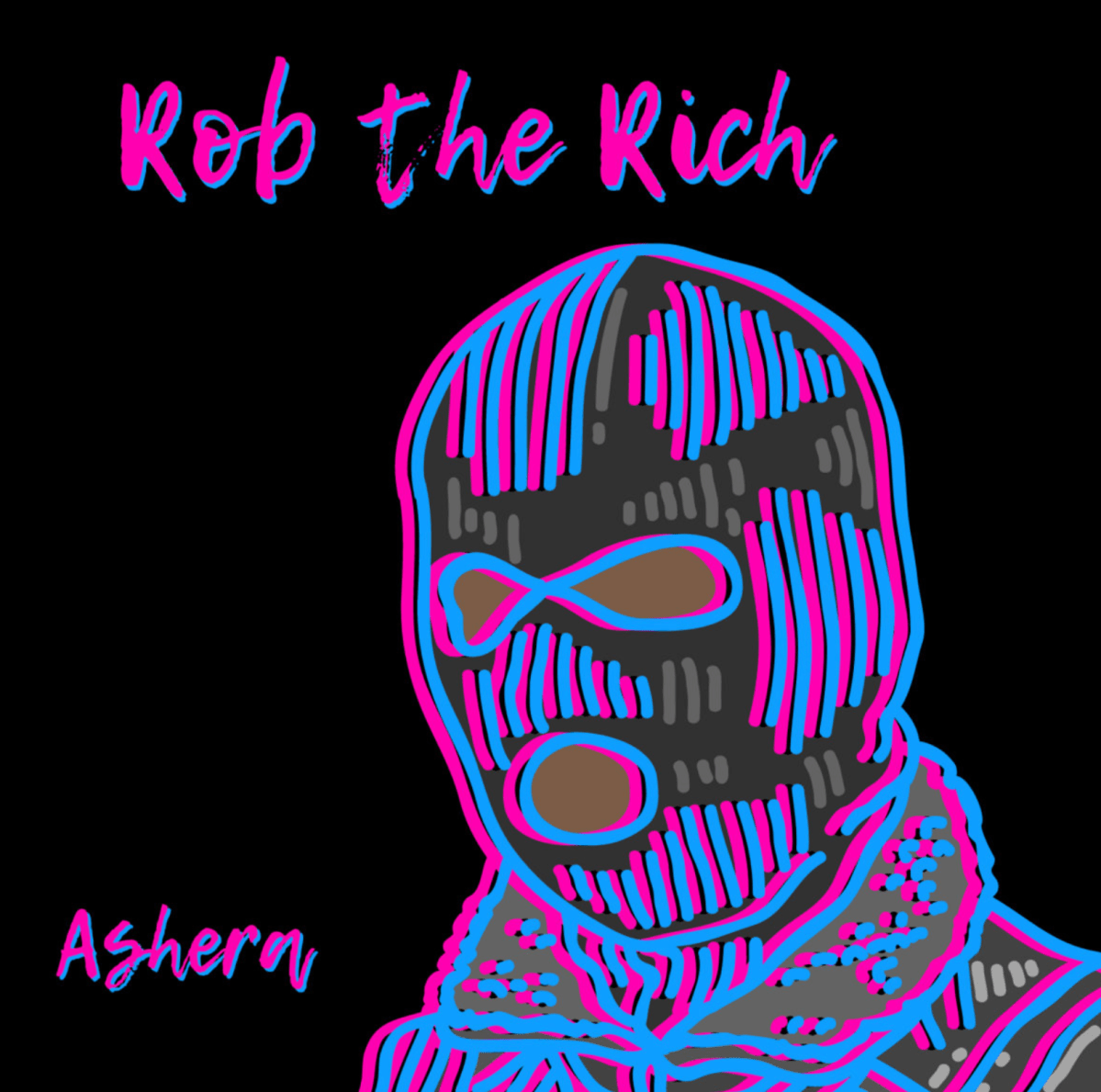


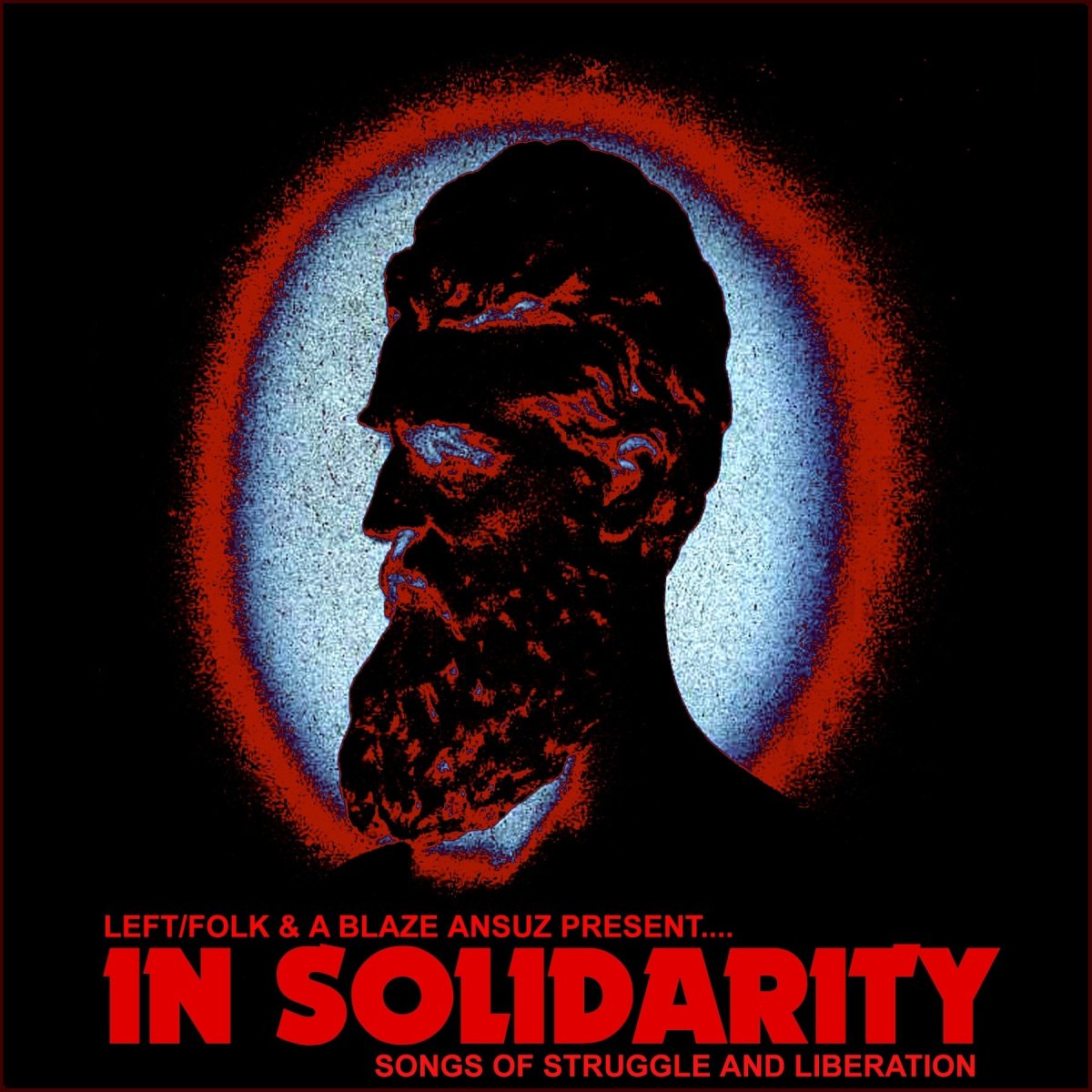
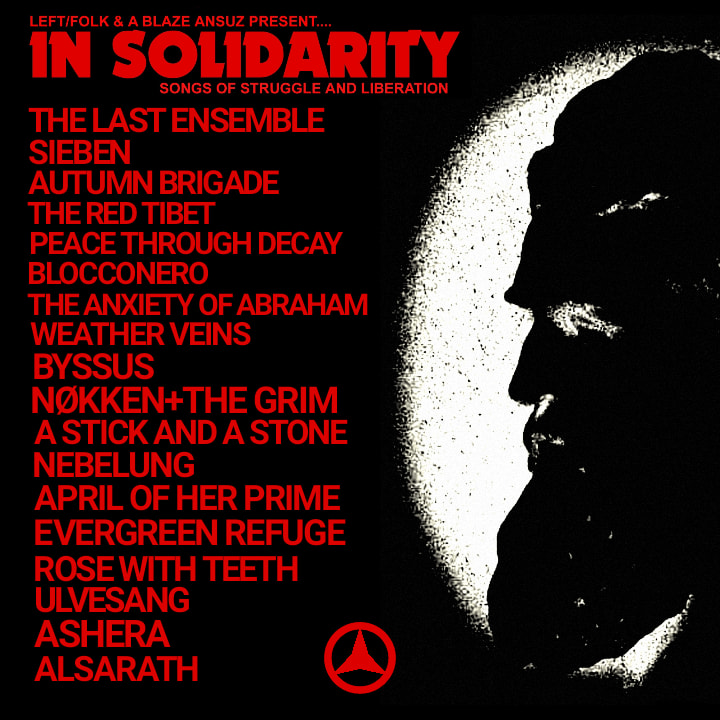

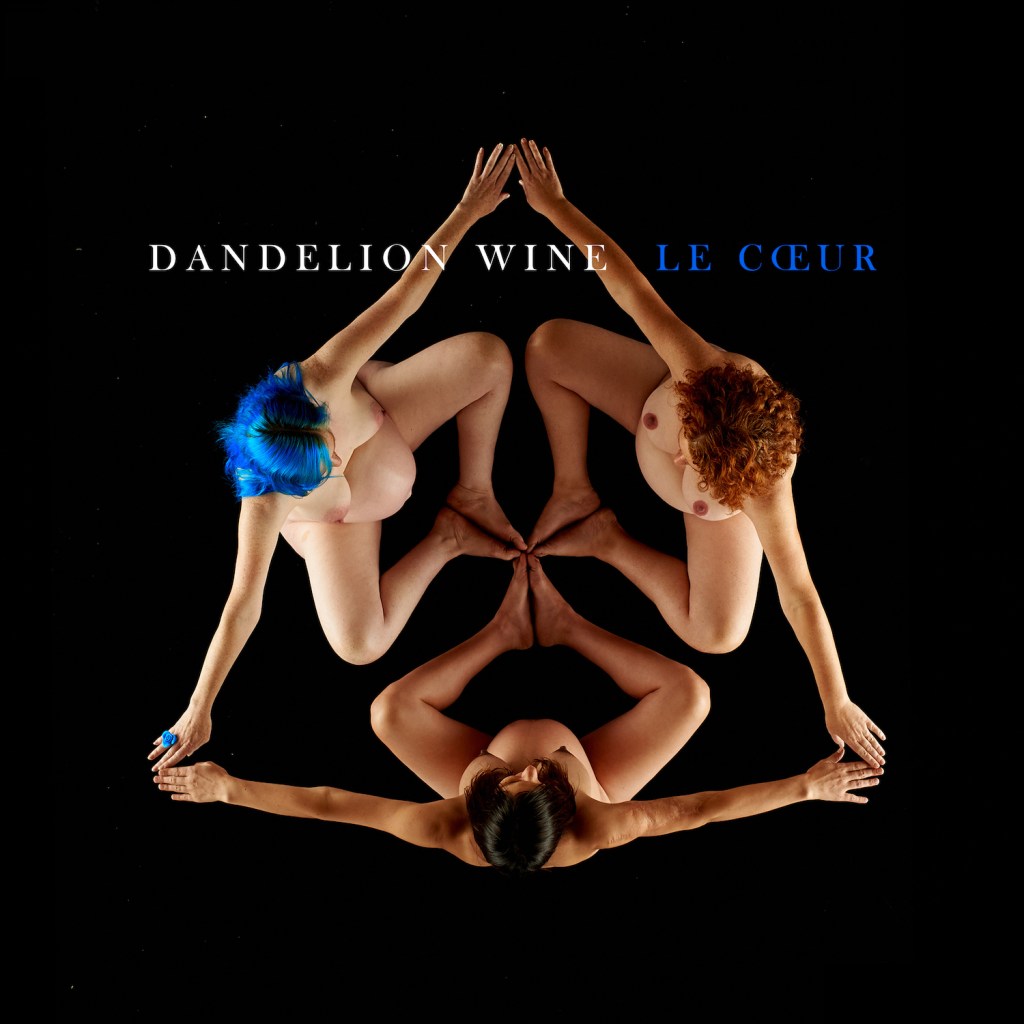
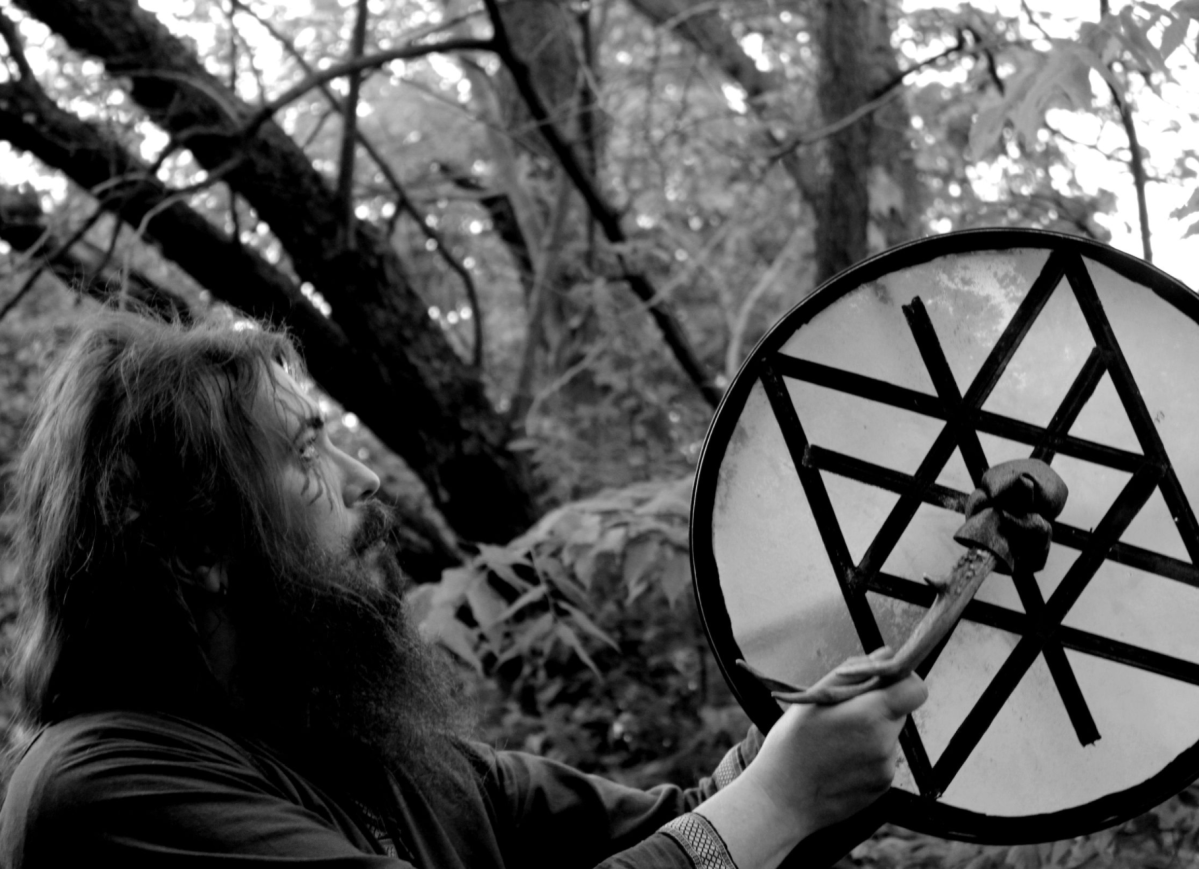
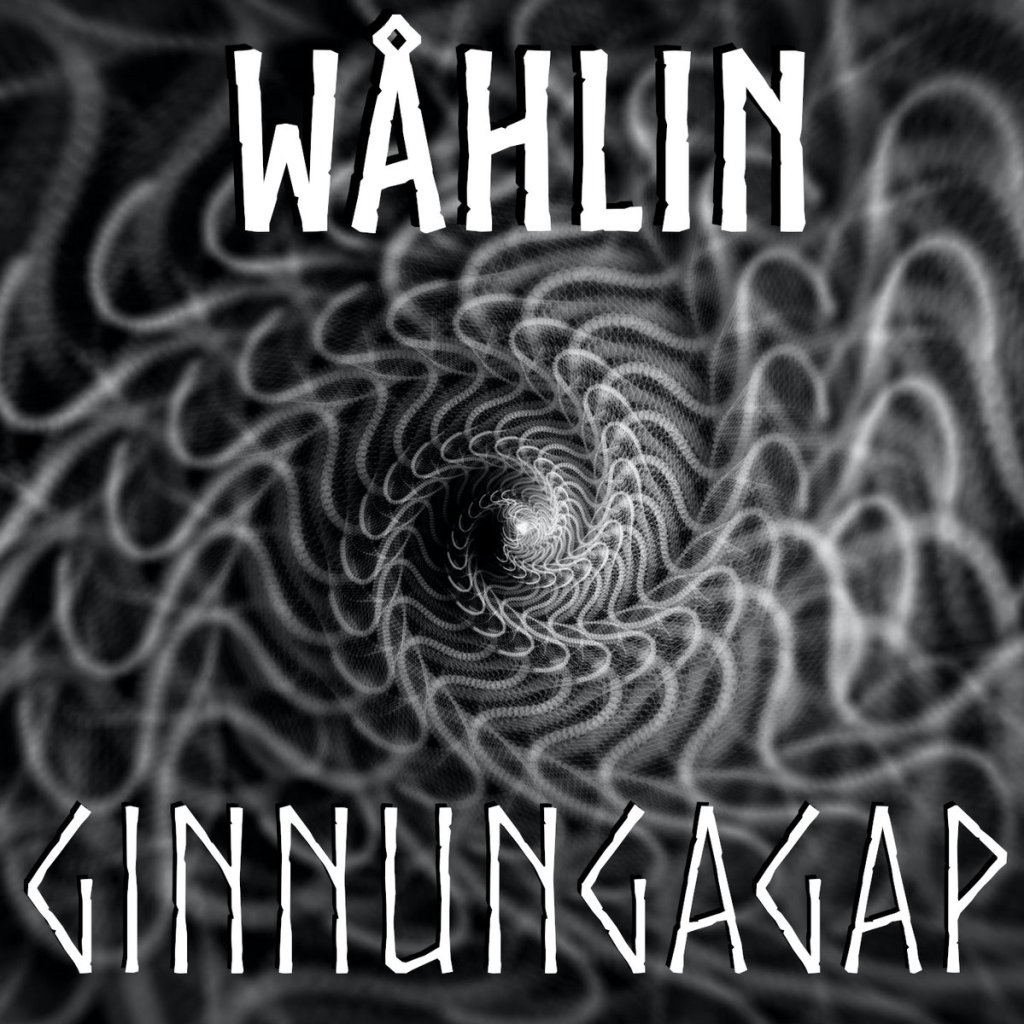
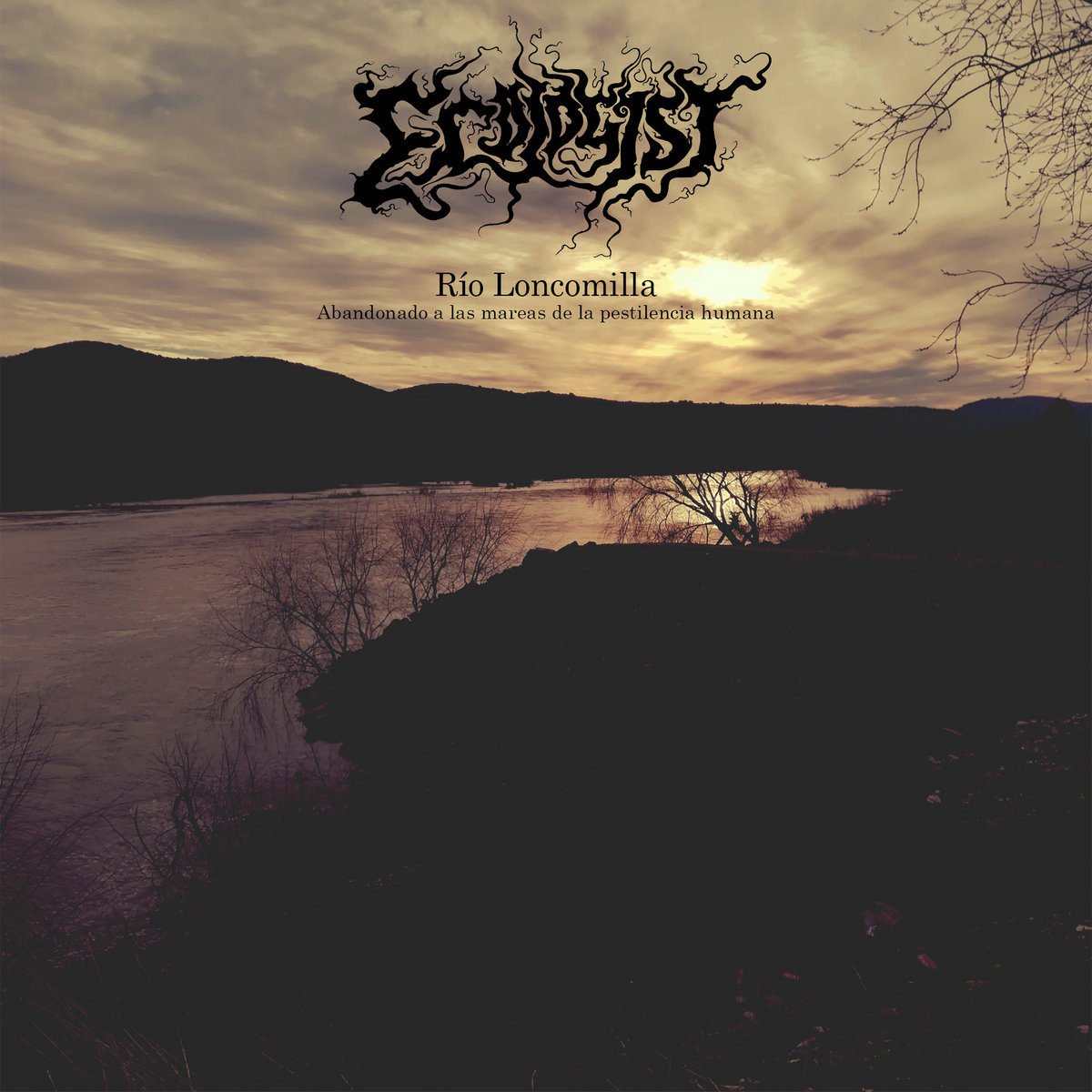
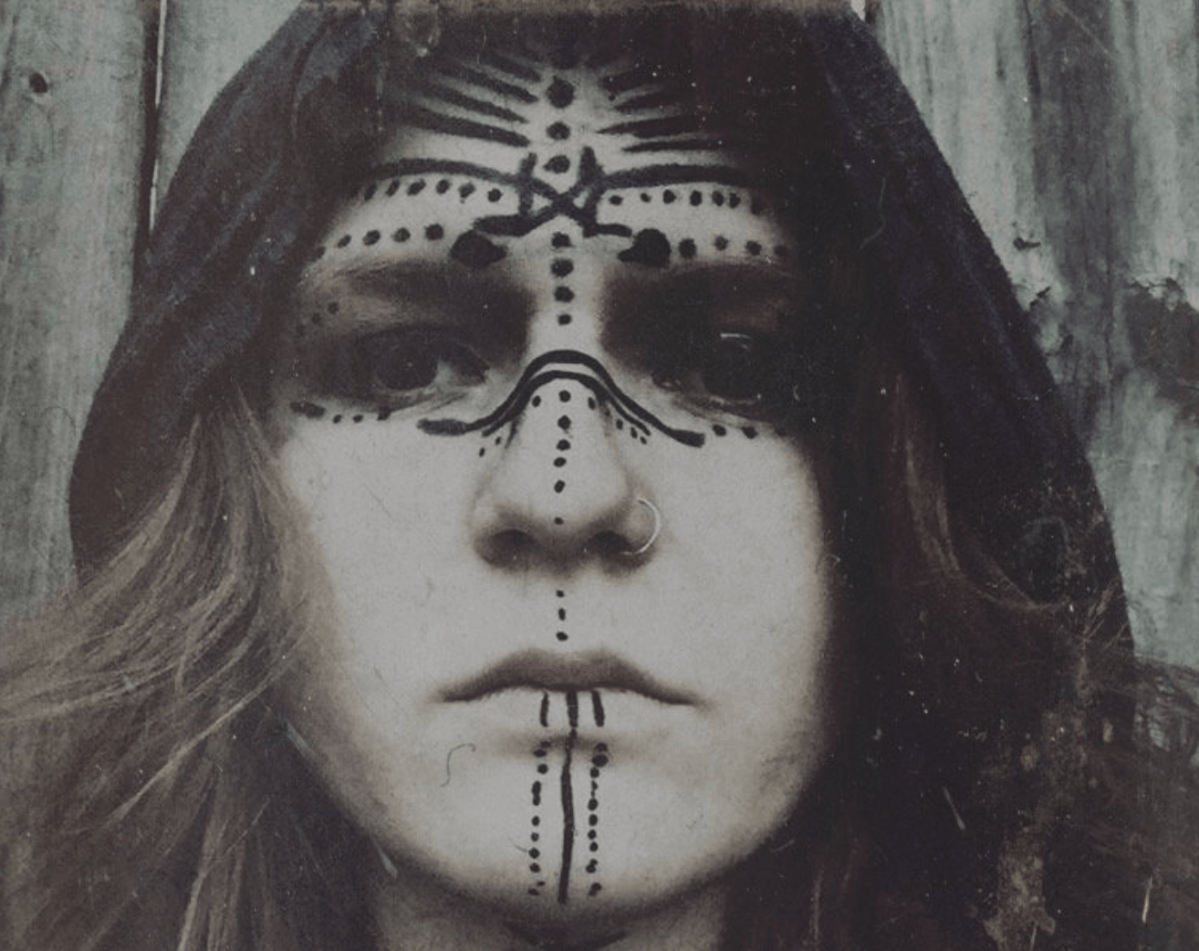
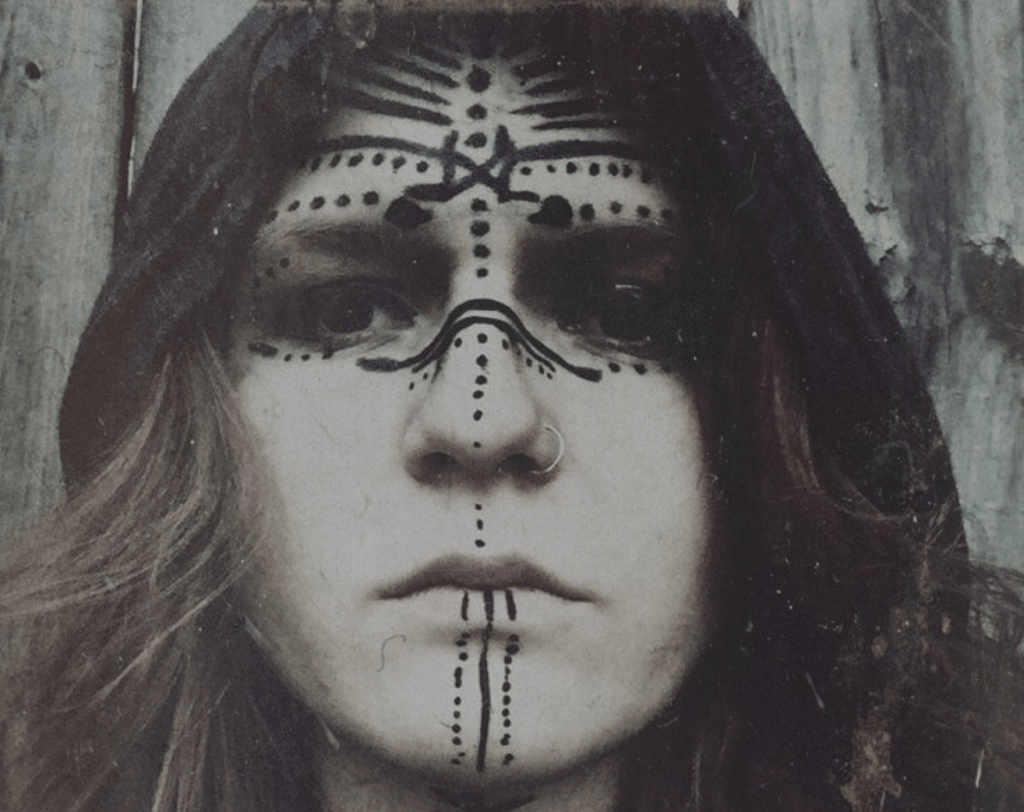
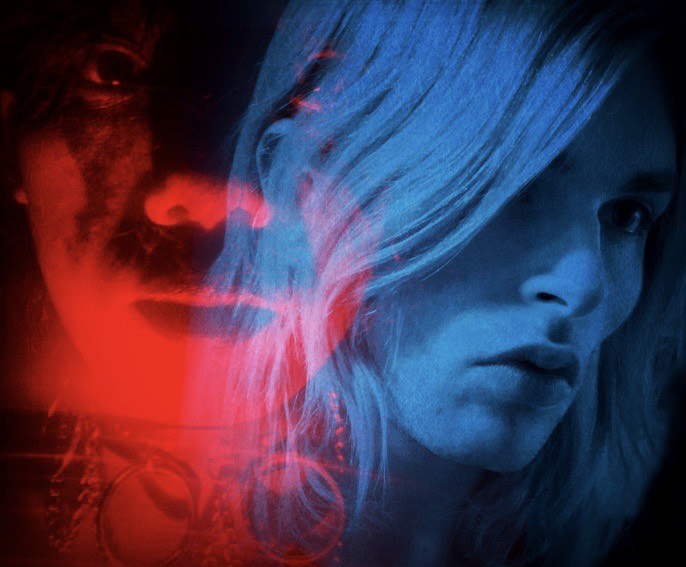
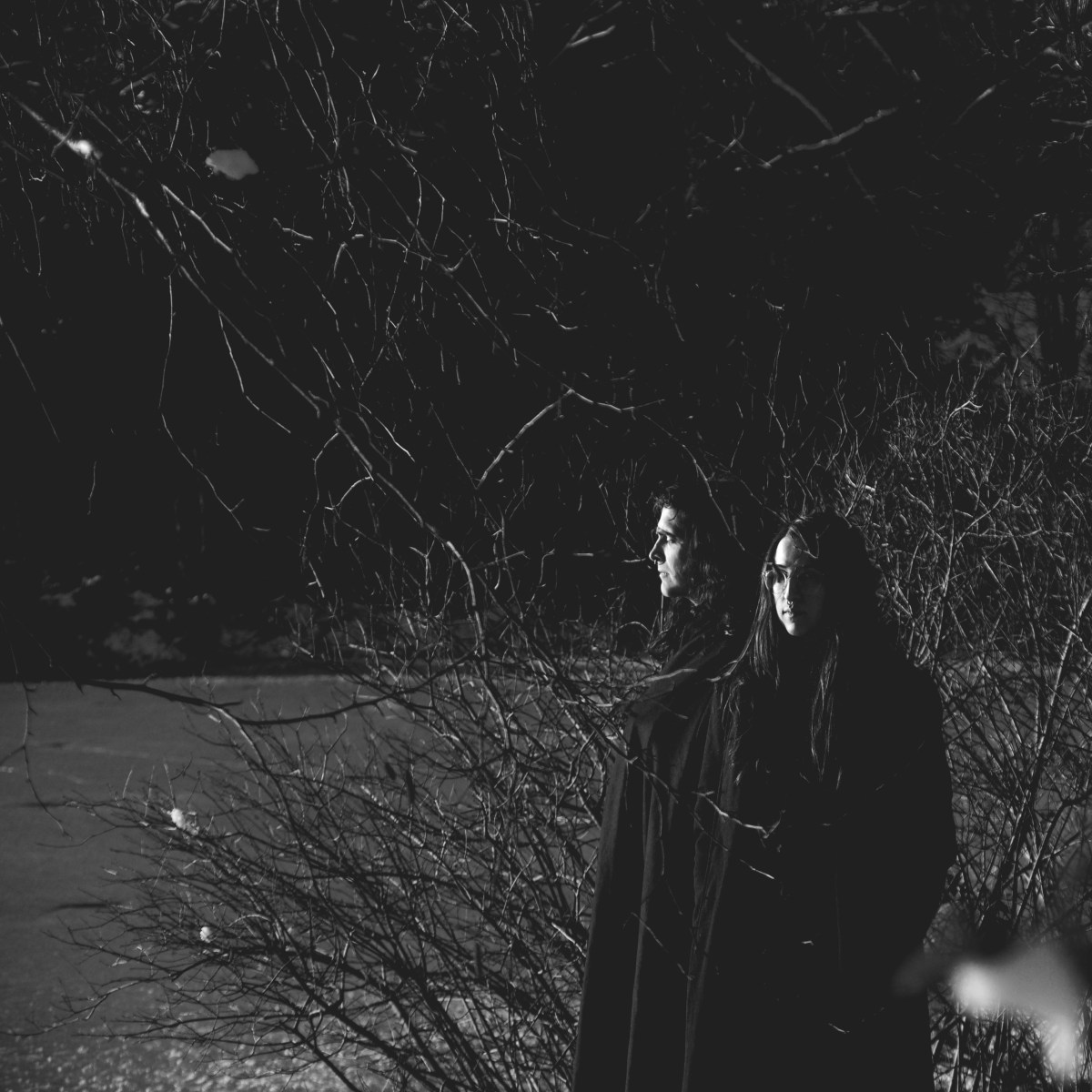
 A Blaze Ansuz: Antifascist Neofolk