Wardruna is Taking Back Nordic Pagan Culture and Music from the Far-Right

As a blog, we have focused on profiling some smaller and emerging neofolk bands in an effort to draw out the DIY elements of a grassroots scene.  The perception that many have of neofolk is that all the major bands are held tightly by the far-right, examples being Blood + Sun or Death in June, but there is a whole universe of major neofolk bands who have taken a public stand against white nationalism.  This is particularly true outside of the narrow English language post-punk bands that dominate much of the music press coverage.  Many of the bands who drive their inspiration directly from the folk music run against this fascist interpretation, including the heathen bands of the Northern Tradition.

Wardruna is the best known of these, with their notoriety resulting from the path they have charted in taking back Nordic heritage and history from those who have attempted to racialize that history.  Wardruna, which is primarily the project of musician and Nordic pagan historian Einar Selvik, has become a central figure in this trend for bringing a certain historical accuracy to portrayals of Viking Age art and music.  This is what led Wardruna to the soundtrack for the History Channel show Vikings, which brought Selvik a lot of attention.

The sound itself is subcategorized as Nordic folk as it focuses heavily on heathenry, the pagan tradition that honors the Aesir and Venir and the traditions of the Nordic people’s in what is now Scandinavia.  Their music drives directly from the myths and sagas, with a massive range of instrumentation that pulls from the diverse cultural span that made up the Viking Age.

When people hear terms like Nordic heritage and Viking music there is a certain unease that appears because of the way that fascists have appropriated that culture, a process that goes back almost 200 years into the early volkisch movements of 19th Century Germany.  Using pseudoscienifitic and mystical ideas, they created the idea that Germanic Gods were part of the spiritual psyche of people of Germanic ethnic heritage, and that those archetypes define them as people.  This rejects the actual history of heathenry, which was diverse, multiracial, and had influences from global cultural exchange.

This is a part of why Selvik has made Wardruna heavily indebted to historical  accuracy and openly professes the intent of the project.  White nationalism has nothing to do with the rediscovery of paganism, and uses a false modern construct to employ ancient folkways as an excuse for fascist revolution.  As Selvik says:

This project takes inspiration from our native culture but it is about creating something current and new. It is also important for me to dispel a few myths about the Runes and Norse culture that have been misinterpreted and made almost cartoonish by the media.The image of the Runes has been tarnished by some right-wing racist idiots who have no business using them and only did so for their own gain.

This reconstruction of paganism is also in opposition to Christianity, seeing it as an imperialist religion that wipes away indigenous cultures through domination.  This is, again, a fact that has often drawn in elements of the far-right that share an anti-Christian stance.  It is also what drew in the black metal element, and something that Selvik has in common with early Wardruna member Gaahl of the early Norwegian Black Metal band Gorgoroth.

The serious focus to pagan histories, so much so that Selvik gives lectures on pagan history and sells books on heathen rituals and spirituality on the Wardruna website, is also what creates the unique multicultural understanding the band brings to the music.  For Selvik, it is the diversity of pagan practice that actually unites humanity.

I’m generally interested in culture, whether it’s slavic, siberian or african. What’s fascinating, if you go back in time far enough, you’re going to see all these similarities, how we are connected. Of course, in my work, in early work with Wardruna, because the history is very fragmented, it’s only natural to look into other neighbouring cultures for inspiration and also clues.

Instead, it is allegiance to the ideas and passion for the tradition that binds a community together, not a false notion of race.

I prefer to sow seeds and let them grow, and this little weed then enters the shade of the new shoots. It is very convenient to live far from the origin of a tradition, claiming it for yourself and focusing on ethnicities rather than nature. At the same time, nature has shaped culture. I would much rather be a blót with a Spanish person who gets it than with a Norwegian who does not get it. If you are stupid, you are stupid. It does not matter if you’re descended from any Viking king.

The increased focus on Nordic history and culture, which Selvik has been a big part of, has helped to create a barrier to stop the far-right from being able to continue appropriating it without a counter-narrative.

It is a very positive effect, that increased interest does not allow the subculture on the extreme right wing to use our history in peace. We have somehow taken our own story back.

“It is difficult to take them seriously, and it testifies to great lack of knowledge when right-wing extremist groups have used our cultural heritage in their propaganda,” says Selvik, pointing out that the far-right lacks a clear understanding of Nordic paganism and instead uses it simply as an aesthetic rather than a true spiritual path.

Gaahl had been a part of the project since its founding, which many saw as problematic given that he often made up the more offensive side of black metal and was involved in far-right gangs in his youth.  He has since repudiated those politics and publicly rejected them, and spoke out about what it is like to be an open gay man in the black metal scene, but we were still not comfortable with his involvement in Wardruna. In 2015 he left the band entirely and has not had any more relationship to it, a move that we support.  We would not have included Wadruna if Gaahl was still in the band, and we think it is important to outline this history.

Going forward, Wardruna is continuing to be a massive project, one of Selvik’s many music endeavors, and will set the tone for much of how this more traditional sound comes together in neofolk.  It is his public declarations of the intention of the music that is important because it forces the community away from an apolitical stance.  While Wardruna is not political on contemporary issues, it is much more focused on songs about Thor and sailing, they use the moments they have to make it clear that they are taking a stand against the fascist creep into this cultural landscape.

We are putting a few of our favorite songs by Wardruna from their Bandcamp below, and just added a few Wardruna tracks to our Antifascist Neofolk Spotify playlist!
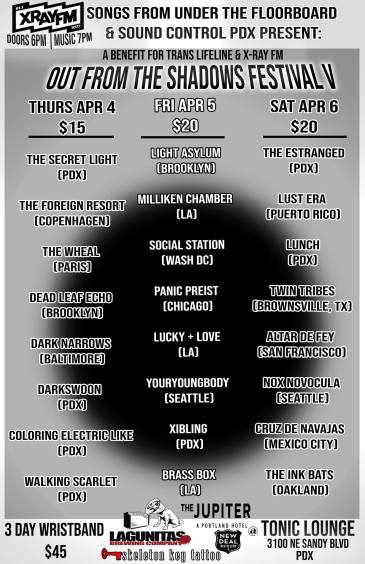
‘Out of the Shadows’ is a Queer-Trans Inclusive Darkwave Festival Happening in Portland

Out of the Shadows popped onto our radar this last week out of nowhere with a fantastic line-up all backed up an incredible mission.  Focusing on bringing darkwave and similar music to Portland, the festival is now in its fifth year and will be taking place over three days (April 4th-6th at the Tonic Lounge) and is a fundraiser for the progressive X-Ray.fm radio station and Trans Lifeline, a support center for providing critical resources to the trans community.

Making darkwave a way to help mobilize support for a transgender community under siege by the far-right in the U.S. does more than just raise money: it creates a physical space that declares right up front that it is queer and trans inclusive.  We caught up with the organizer Dave Cantrell to ask about the festival and why it is important to build open LGBT support in the darkwave and post-punk scene.


So first, what got you started doing the festival, and how has it grown since you started?

Out From The Shadows (OFTS) began in 2015 as on outgrowth of Songs From Under the Floorboard, the post-punk/darkwave radio show I host on XRAY fm here in Portland. The local scene was blossoming so dynamically that it seemed a good idea, and the right time, for an event bringing everyone together to both give exposure to the bands and to, in a way, celebrate what was happening. That first event was just a one-night affair with seven local bands, one from Olympia and one from Vancouver B.C., but the reception was enthusiastic enough to propel it into becoming a yearly event. Word kind of got out and I started getting requests from bands from out-of-state, which, in turn, made me realize this could work on a bigger scale so I began inviting bands from around the country and beyond, at which point year two became a 2-nighter and in 2017 it became the 3-night festival it is now.


How did you get connected with Trans Lifeline, and why is it important to you?

OFTS has been a benefit since the beginning. All proceeds beyond paying the artists, the venue, and whatever other ancillary costs, go to the beneficiary, which for the first three years was XRAY, a progressive, non-profit, listener-supported community radio station. Beginning last year, however, I decided to incorporate a co-beneficiary from the local or local-impacting community of LGBQTIA organizations, due primarily to the fraught political environment we all now find ourselves in, but as well because both my daughters are gay and much of the darkwave community itself, both here and pretty much everywhere, locates themselves somewhere along that spectrum. As for how I got connected to Trans Lifeline, there was an article about their efforts in the local alt.weekly (Willamette Week) and, y’know, the light bulb went off.


Why is it important to create an inclusive space in the darkwave scene?

Well, for one because all spaces should be, by definition, inclusive, but since that is not always the case, it’s of course important to provide safe environments for those that, simply by identifying as ‘other’ in some way, continue to feel imperiled in the broader society. And the fact that there’s been a notable regression in this regard since the 2016 election makes it all the more crucial. But anyway, for the most part, punk and its off-shoots have always been a place for self-identified outsiders to find safe harbor. One of the aspects of OFTS that’s most rewarding, actually, is the atmosphere that permeates the festival. It’s not unusual to tangibly feel a kind of electric joy in the room. That alone is reason to keep it going.


‘Out of the Shadows V” is hosted by XRAY’s Songs From Under the Floorboard radio show and Soundcontrol PDX and will be held on Thursday, Friday, and Saturday night at the Tonic Lounge (3100 NE Sandy, Portland)

Check out a few of this year’s bands on Bandcamp!


Chamber Music and Memory: An Interview with Deliverer

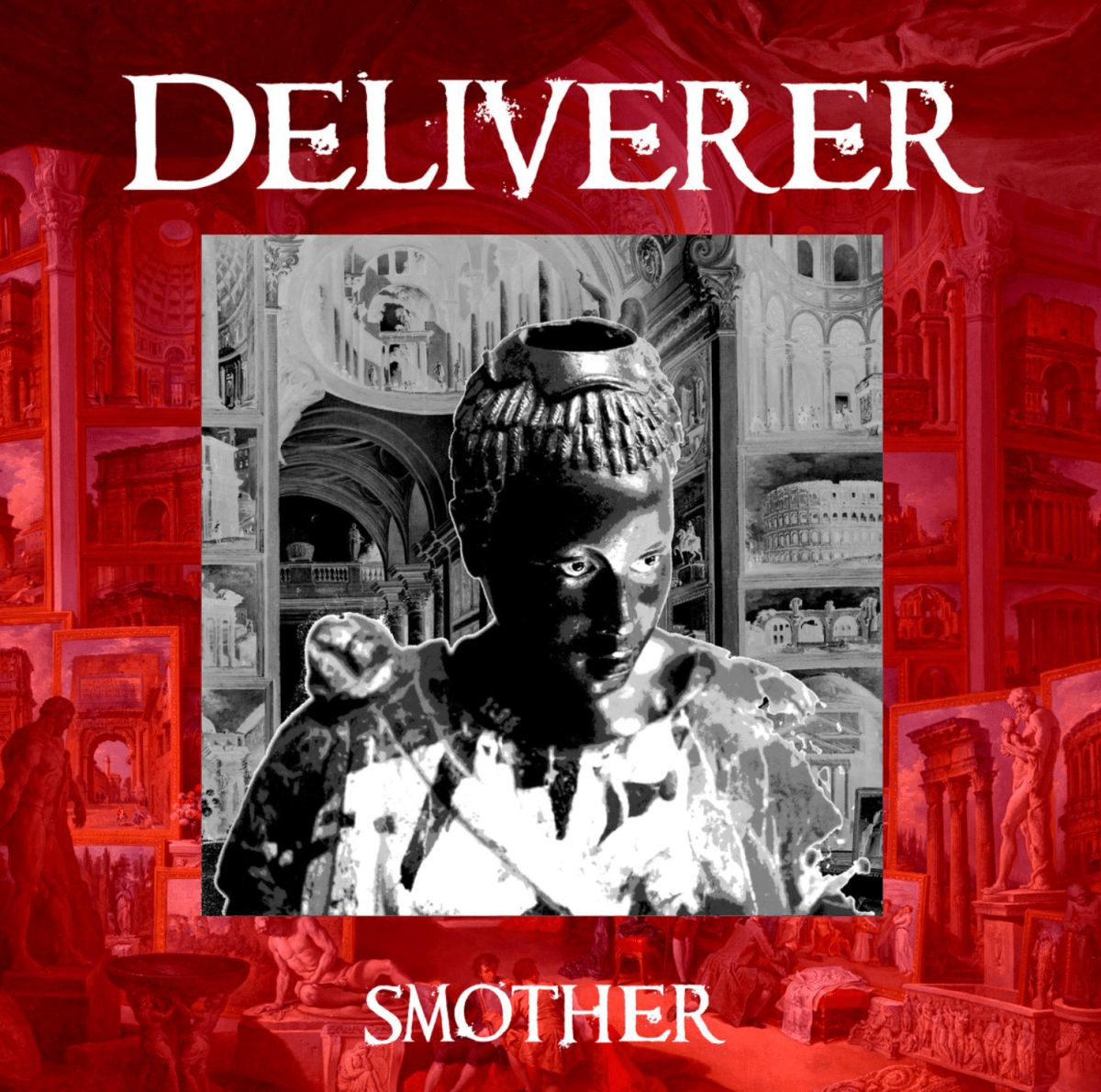
Modern music has lost the ability to play a tone to its logical conclusion, to allow extended sounds to drive a narrative structure that can draw out feelings like dread and drama.  The orchestral-neofolk solo project Deliverer rests entirely on competing tones, achieved by recentering the accordion into a drawn out baroque sound that feels equal part Hammer films soundtrack and Eyes Wide Shut house band, and we mean that as a huge compliment.

We were able to speak with Adam Matlock, the artist behind Deliverer, on what drives his sounds, the influence of Jewish cultural music and black spirituals, and how antifascism has to remain central to his work given his own identity.

Screen Shot 2019-04-01 at 9.36.00 PM.png

How did Deliverer first come together?  Did the project have an earlier incarnation?
I work a lot in the style of dungeon synth, which is often similarly in the orbit of black metal/extreme metal in the way that neofolk is. At some point I was practicing some riffs on the accordion, and the acoustic sound was very alluring, so I started recording and composing on the spot. It was something I’d wanted to do for awhile, and as I wrote it, a story came together that it felt like I needed to tell.
You can see where pagan folk traditions have such a heavy influence in how neofolk has developed, and what keeps drawing people to it.  Were you drawn to folk music traditions when forming Deliverer?
I have always felt a connection to old folk traditions, although I never had a ton of personal connection through them in my upbringing – so many of them I have admired from a distance. But it is also so easy for these things to get wrapped up in nationalism that has also kept me a bit removed from them. There are many Black American folk magic and pagan traditions that I don’t have as much connection to.
I’m especially a fan of Scandinavian and similarly influenced projects like most of what Einar Selvik is connected to, Ulver’s Kveldssanger and the like. But I’ve also looked to bands like Deveykus and Zeal and Ardor who have tried to incorporate Hasidic music and Black spirituals respectively into a metal sound, insisting on making space for themselves and their sounds in the larger umbrella of the scene.
How did you develop your sound, and how do you define it?  What instruments do you use?
I had always wanted to make Neo folk, but never did because I didn’t play guitar. But as I’ve gotten older I guess I’ve been able to get less attached to my specific expectations of a sound or a project, so, getting purely beyond the very limited Scandinavian or English folk influences that often show up in neofolk. Once I started writing, the story drove me more than my doubts about the sound I was developing. It was important for me to keep it mostly acoustic, so it would feel separate from my dungeon synth projects, so for the debut release I used only accordion, voice, recorder, and percussion. Limiting the sound palette helped to keep the ideas flowing. And I was thinking of this project as a sort of imaginary neofolk, compiled from various musical influences as well as a kind of chaotic collage of impressions of cultures showing their opposition to an oppressor.
There is a real feel of classical organ or chamber music in the album.  Was classical or romantic era orchestral music important when you were writing it?
The accordion definitely has a chamber organ sound for sure. I listen to some organ music, but if that shows up in this release it was unconscious. I play a lot of Klezmer and so there were some conscious Jewish music influences, particularly Nign, which is a style of wordless melody that when sung in a group feels like time is stretching. I grew up singing Black spirituals which were passed through my family, and there are elements of that music that shows up behind the surface in a lot of my projects – in this project especially having some kind of call and response relationship between the voice and the instruments. I’m definitely very moved by Scandinavian fiddle music (which only seems to slightly influence Scandi inspired neofolk), but the way the fiddlers in that style pass their tunes down and harmonize together is really inspiring to me.
What drives your commitment to antifascism?  Have you experienced a lot of white supremacist attitudes in the pagan and neofolk scene?
I am Black and mixed race. It’s hard to think of fascism as a benign thing for me, whether or not the attitudes are sincere or just aesthetic based. For those reasons I’ve often been removed from the metal scenes except on the internet, which is where people are the worst about that sort of thing. I’ve probably been to less than 10 black metal shows in 20 years of listening to the music for that reason, so I’ve encountered only minimal amounts of it in person. But the way we’ve seen conversations about this sort of thing become more meme-y and less about sincere connection, I’ve found that I’ve run out of patience with the jokey edgy humor, with the kind of intellectual shell-game that people play with weaponized ideology.
Why is it important to you to remain a public antifascist in a scene so known for its far-right or “apolitical” stance??  How does antifascism inform your music?
It’s important to me because to some, my presence in the scene is unacceptable. This is why it’s important to me to assert myself as an artist in neofolk, in black metal, in dungeon synth.  Besides that, I think the attitudes in neofolk, of looking to the past as an explicit transgression of social norms, have their logical opposite in the assimilation of fascism, and I am frequently astonished at how often people forget that. We are already, as modern people, given the chance to learn from history even as we look to the past and tradition for liberation, so it doesn’t serve anyone to blindly recreate that without some sifting through.
What really moves you through writing music like this, is it a sense of story or social commitment?  What really drives the work?
For me a lot of what moves me is narrative, storytelling. To me all the most compelling arguments involve storytelling in some way.  Through a combination of music and accompanying flavor text, I hope to convey some of what occupies a lot my thought processes: about growth, resilience, and resistance in a world that is deeply biased, somehow, against most of its inhabitants. But I feel like talking about these things through narrative is a good reminder to all of us that this kind of work is an ongoing thing, not a constant state of being that, once attained, needs no further attention or maintenance.
Also, the transportive element of music like neofolk is a nice balm for some of the harsher elements of modern society, which is sometimes necessary for anybody with an active awareness of the world.
What’s coming next for you?
I’ve been performing some pieces live from the Deliverer debut (Smother) with a crew of people that I do some other styles of trad folk with. At this point it’s just a part of our repertoire, mixed in alongside other trad pieces at our shows.  But I hope to write and record more for this project, including some material with lyrics, and get a consistent set together for live performance if the opportunity arises.
What bands would your recommend for an antifascist neofolk audience?
I’ve found it hard to vet things myself since so many on the internet seem to thrive on obfuscation, which is one of the reasons I’m so grateful for the work you’re doing with this blog. I will have my answer as you keep updating!
***
We are putting Deliverer’s new album, Smother, below so you can listen to it from Bandcamp.  Unfortunately, they are not available yet on Spotify so you will have to wait to add them to the Antifascist Neofolk Spotify playlist.  We will be adding a couple of new bands to that list later this week, so stay tuned!

Deafest and Uaithe’s 2014 Concept Album is a Lost Neofolk/Black Metal Classic

There is a tendency in “extreme” music, from black metal to neofolk to grindcore, to create a constant churn of creative partnering.  Dozens of musicians lead to hundreds of projects, chronicled in collaborations, limited edition split records, b-side and “bootlegged” live tracks.  One of the reasons why niche music like this has been able to succeed is in the massive amount of material, often turned into collectibles themselves, that is out there.  This move towards collaboration has led to some of the biggest antifascist black metal projects like the Worldwide Association of Metalheads Againsts Nazism (WOMAN) and the Black Metal Alliance Crushing Intolerance compilations.  These bring together leftist metal bands in an explicit statement of support, and with the Black Metal Alliance this has meant a particular focus on eradicating National Socialist Black Metal (NSBM) who try to create a metal to nationalist pipeline.

The black folk metal band Deafest has been behind the Black Metal Alliance’s efforts and has been releasing stacks of collaborations, including a fantastic 2017 split with Kageraw and Rampancy.  Over epic tracks, ranging fifteen minutes plus, there is a musical progression with its own storytelling beats, crushing solos matched by moments of sheer silence, just the story of black metal on the neofolk ledge.  

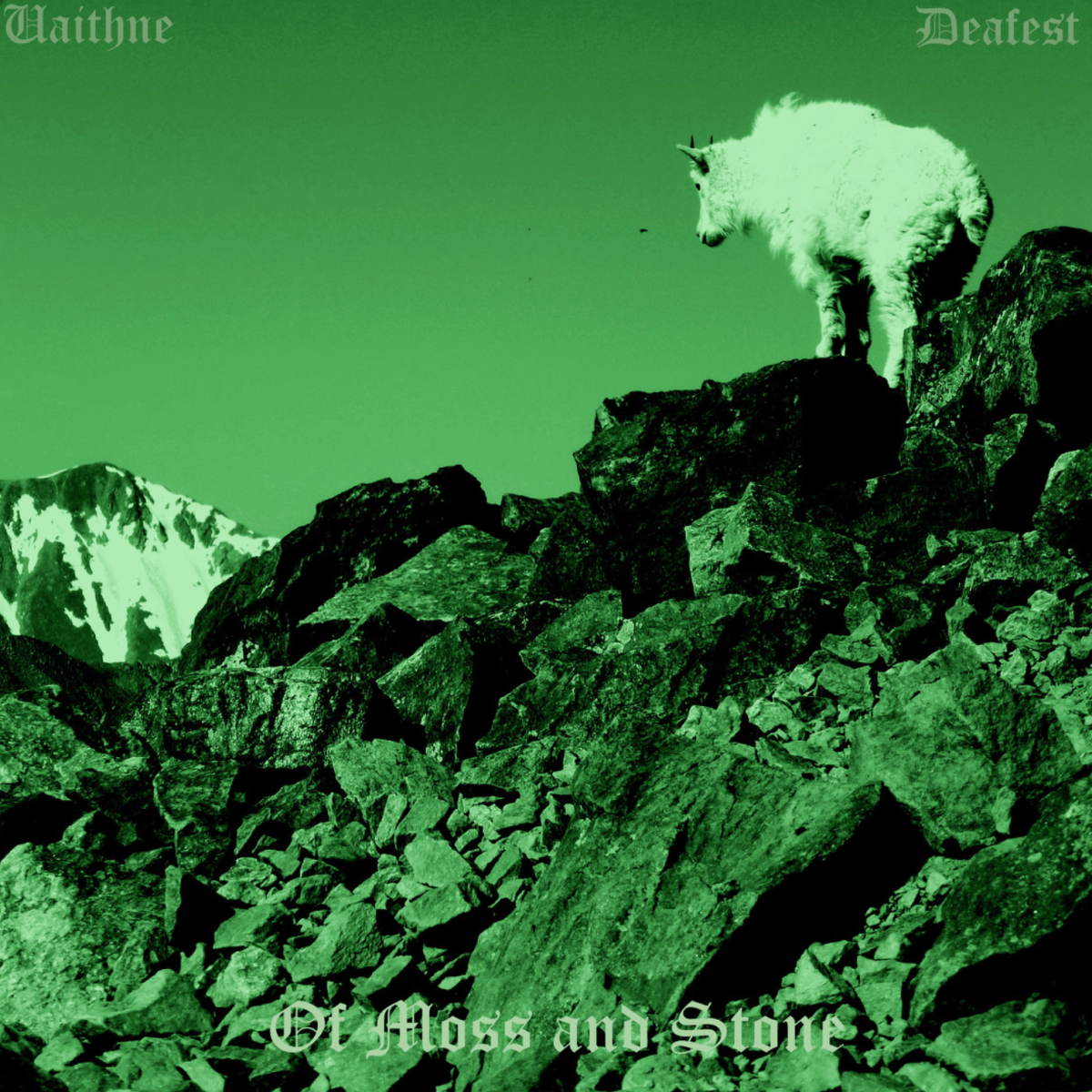
We aren’t here to talk about Deafest’s long career though (we will definitely dig more deeply into them and the Black Metal Alliance in the future), but instead to highlight a particular collaboration they had with the one-person instrumentalist project Uaithe out of Los Angeles.  Originally named In The Sea of Trees, which was highlighted by antifascist black metal blogs, they joined up with Deafest for a collaborative album in 2014 called Of Moss and Stone.  Deafest’s tracks are what you would expect, ear splitting but grounded in the kind of nature gazing that has made them an anchor for the revolutionary green revival that is happening in metal along with bands like Wolves in the Throne Room.  

The three tracks by Uaithe offer a different angle, sparse strings and light drums rebound the sound to something traditional, something that could have existed for centuries.  There is a minimalism to this approach while calling to ancestral music that feels even more centered in the forests they hope to save. The same fusion that made In The Sea of Trees stand out, mixing in Japanese, Romani, and other folk traditions.  Like much of the cascadian scene, there is a strong green anarchist relationship to the sound, which is why the pairing with Deafest is symbiotic.

Of Moss and Stone is a concept album with Deafest and Uaithe alternating tracks, which are numbered and meant to tell a unified story.  This works in the kind of harmony you would least expect, alternating the vicious clashes of metal war and the kind storytelling of the hearth.  It is this kind of collaboration that keeps these genres vital, and why we wanted to raise up a record that is five years old and has made few rounds.  

We are embedding the album below from Bandcamp, but it is unfortunately not available on Spotify so it cannot be added to the Antifascist Neofolk playlist.  Because of that, we will be adding a few stray tracks, including an old classic by Rome, and ‘Rite Against the Right’ by Sieben (who will be profiling in the coming weeks).

Check out the Spotify Antifascist Neofolk playlist!

Fatal Nostalgia Brings Nightmarish Beauty to Ambient Neofolk

Neofolk is diverse in a way that few genres can be: a big tent that ranges from metal to traditional folk music to synthed-ambient to plucky singer-songwriters.  It is that point of fusion that gives neofolk a special edge, the ability to revisit something known and to breathe a contemporary life into it. If we take something like traditional music and reimagine it with today’s tools, can we take what was beautiful about it and inject it back into our lives?  

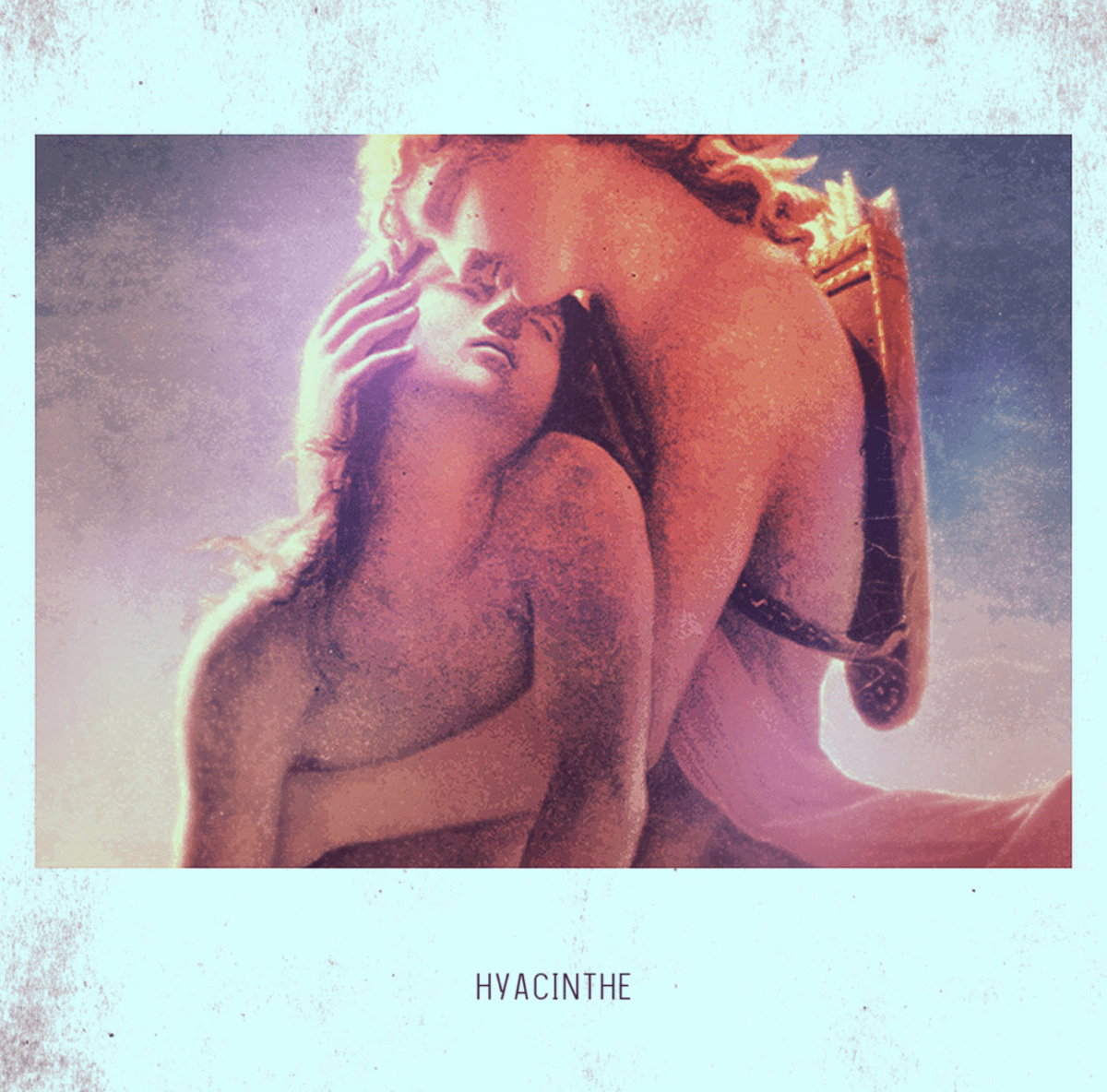
Fatal Nostalgia is one of the best examples of that eclectic nature, using the mechanisms of ambient soundscapes and building in a sound that wreaks of Euro-folk.  Fatal Nostalgia was another project we came across on the Red and Anarchist Black Metal blog and were immediately struck by its frenetic song structure, moving from nature sounds to driving drums and guitar and back to a certain campfire simplicity.  Since their founding they have released five albums: Halcyon Nostalgia (2012), Fatal Nostalgia (Self-Titled) (2012), Nocturnes (2013), Quietus (2014), and Hyacinthe (2016).  They have additionally put out two EPs, A Gathering of Ghosts (2013) and Woods of Somnolence (2012).  The newest track, the psychedelic “Ego Death,” came out in 2016.

The music has incredible range, so much so that it can feel like a label-wide compilation even on a single album.  Tracks like ‘Badger’ sound as though they could be the ten-minute track played in a rave coolout room to help quell bad trips, while ‘Without You’ has a distinctly melancholy vibe that feels like the backward facing nostalgia known to neofolk.  Fatal Nostalgia is an ambient project more than anything else at the end of the day, and does feel as though it is the singular vision of an artist and his computer.

The project has been heavily influenced by the cascadian sound of groups like Nuwisha, as well as are sympathetic with the green anarchist politics that drove it.  Like many of these projects, politics is not their primary purpose and are instead vocal about wanting to drive emotion and highlighting psychedelic concepts like “ego death.”  This drives to the heart of what neofolk is, about connecting reality with emotion and building on what things could be (or have been) rather than what they are.  Fatal Nostalgia then feels like a dangerous dream, haunting in the background.

We have added several Fatal Nostalgia songs to the Spotify Antifascist Neofolk playlist, and are including several tracks from their Bandcamp below.


Make sure to follow the Antifascist Neofolk playlist on Spotify, featuring Fatal Nostalgia!

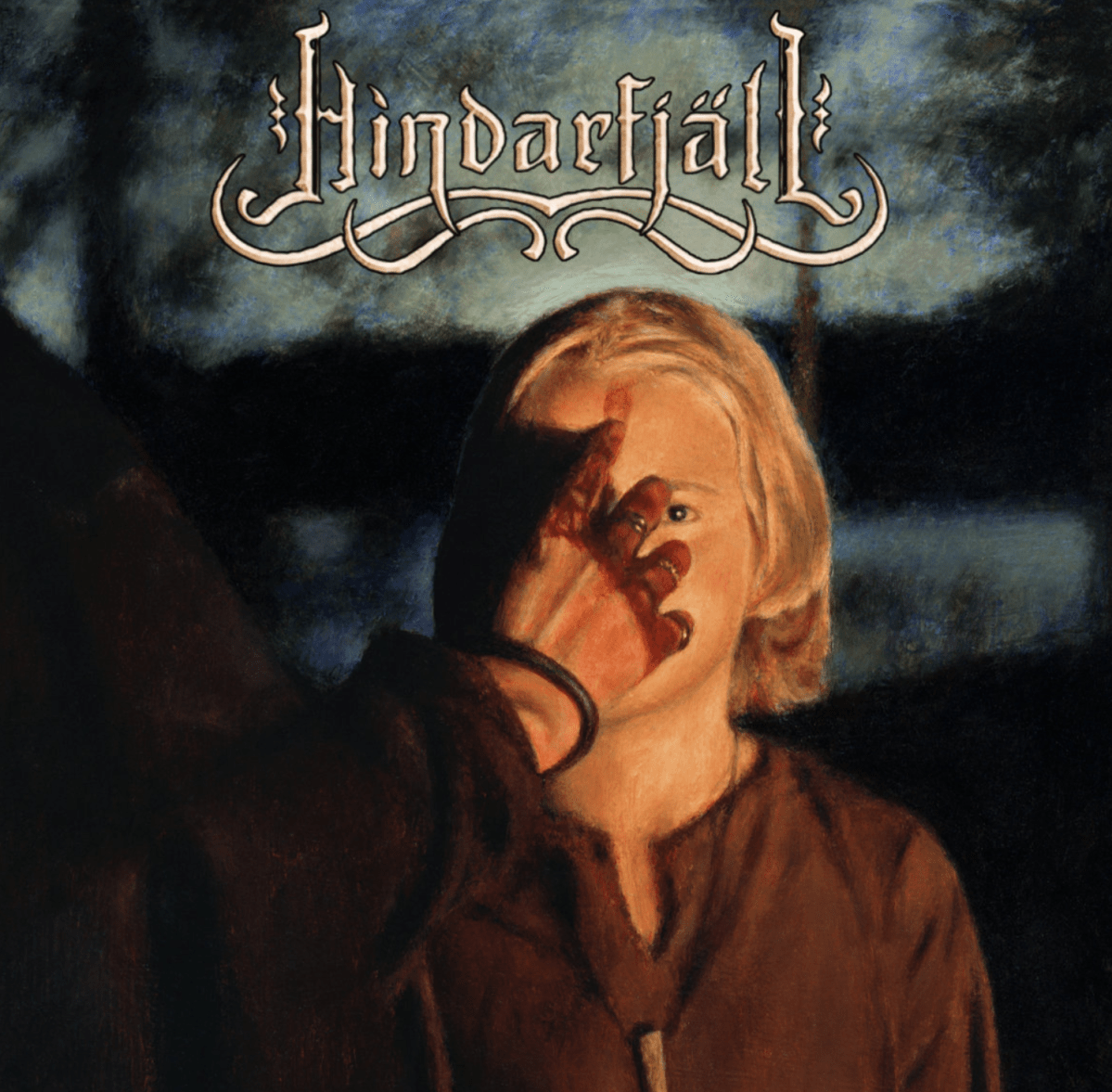
Hindarfjäll is the Nordic Folk Band You Have Been Waiting For

The term Nordic folk has emerged to distinguish a series of bands that are directly connected to the revival of heathenry, the tradition of the Aesir and Venir, often focused on Nordic cultural identity and accurate history of pre-Christian Scandinavian countries.  The term has a double usage in that it is a way to not say neofolk, which has the occasional baggage of costumed racists like Sol Invictus or Allerseelen. Drawing a distinction is especially important as white nationalists have staked their claim on heathenry, using pseudoscientific theories like “metagenetics” and misreadings of Carl Jung to argue that heathenry is a religion that is for people of Northern European descent only.  

For the vast majority of heathens, particularly heathens outside of the U.S., this notion is absurd, and instead Asatru and heathen denominations across Nordic countries have been active in anti-racist campaigns and welcome a worldwide kindred.  The neofolk duo Hindarfjäll comes from this tradition, using the traditional regional instruments and sounds of Norway and Sweden to revive a historical music that is tied directly to the earth.  Started by vocalist Nils Edström in 2015, the project was inspired by bands like Wardruna in that they drove directly from a historical memory that centered an earthy pagan worldview.  

Hindarfjäll is centered well in neofolk in both sound and practice, with each member filling multiple roles as they juggle a range of instruments from flutes to guitar to bassy percussion, all backed by looping chants.  There is something haunting about the folk-inspired sound that comes out of the frigid woods, and Hindarfjäll feels like they are emerging with a sound meant to capture a life guided more by the cycles of nature than the modern travails of politics and conflict.  Each track feels precisely laid, patient and haunting, acting as a reminder of a life that once existed and could again. This may be why the bands in the Nordic folk scene have been so centered on history, particularly the accuracy of it, because of the misappropriation the far-right has made of their cultural legacy.

Hindarfjäll is new on the scene and has yet to put out a full-length album, and has instead been releasing demos that sound like they could have been birthed by a dozen musicians syncing for a decade.  With the very brief coverage they have had, they have used it to make a public statement about what they stand for. Before playing their first live show in 2016 at The Asgardian, they wanted to make clear that they reject any element of the racialist pagan movement.

I want to add is that I think that racism is a very important subject because Asatru and the music we play attracts a lot of idiots unfortunately. Such as nazis and racists, I think that’s unacceptable. Hindarfjäll does NOT tolerate such things. We take a stand against hatred and racism.

The Asgardian was put together by Asatru UK, a heathen association that prohibits racism in their organization.  “Asatru UK is an organisation that abhors all forms of discrimination and racism in Heathenry, and though it is sad to say – these views ARE still out there. For the good of our members and the community we are creating, we do have to have some measures in place to keep that community hate free.”

We are jumping the gun a bit to include Hindarfjäll since they only have a few public recorded tracks and have yet to release their full length album, but we were blown away and wanted them in the mix early.  We are putting some tracks below from Bandcamp and YouTube, but unfortunately they are not on Spotify yet and cannot be added to the playlist.


Cede No Ground to Fascists

Margaret Killjoy discussed why romantic ‘extreme’ music should not just be given over to fascists.

By Margaret Killjoy

When the nazis came to town, a friend of mine got in her pickup truck and drove around the entire night. Not just to keep track of the fascists, but to give rides and offer safety to anyone and everyone who felt threatened by them. I know without a doubt she would have climbed out of her truck and intervened more bodily if it had been required of her.

She’s also white and has a rather large and prominent tattoo of Mjolnir, “Thor’s hammer.” She listens to black metal, writes in runes, tends towards misanthropy, and draws strength from the old gods. These are all things a lot of nazis do too. Which is to say, my friend spends a lot of her time in contested cultural terrain. I love her for it.

* * *

My favorite type of metal is black metal. My favorite type of goth is neofolk. My favorite type of punk is oi!. All my favorite musical genres are rather heavily populated by fascists.

I don’t like fascists.

I still listen to black metal because I love it. I still listen to black metal because I don’t believe we should cede cultural and aesthetic terrain to fascists.

On one level, it’s easy to distinguish myself and my interests from those of fascists: I don’t believe in racism, “racialism,” conservatism, or patriarchy. I don’t believe in authoritarianism or nationalism. But the fascist project, as I understand it, doesn’t organize itself solely on political lines; it’s actively engaged in cultural warfare (which it refers to as “apolitical”). It attempts to imbue society with certain values.

Some of those values are those overtly political ones I outlined above, but there are others. There are values like glory, honor, struggle, tradition, faith, reverence for the earth, love of family, and the beauty of death. These values aren’t inherently fascistic, but they are values that are easily perverted to fascist ends.

I’m drawn to black metal and neofolk precisely because they incorporate aesthetics based on those values. This wasn’t a conscious choice, of course. I like the music that I like. But in retrospect, it seems obvious that these values attract me.

As anarchists, we interact with those values too.

To take “war” as an example: I once wrote a book about the militaristic defense of an anarchist society. I struggled to represent war as complicated and traumatizing at the same time as I valorized it. Whether or not we tend to use words like glory, honor, or valor, we celebrate the courage of people who are willing to fight and potentially die for the larger social body. We celebrate that courage because we need that courage ourselves, and it is largely through culture that we imbue ourselves with that courage. As an antiauthoritarian, however, I’m going to go about imbuing that courage in a different way than authoritarians might. I have no interest into romanticizing a sanitized version of war. The state has an interest in creating naive soldiers, but I want to represent struggle as dangerous and horrific at the same time as it is beautiful.

We must represent war if we are to represent society honestly, and certainly if we are to represent revolution honestly. The glorification of struggle is cultural/aesthetic terrain I must, by necessity as a non-pacifist anarchist fiction writer, share with fascists.

A lot of fascists are also into paganism (particularly European paganism, naturally). Paganism is not terrain we should cede to fascists. Some people (antifascist pagans) are not capable of ceding the terrain to fascists, so it behooves the rest of us to not abandon them.

If we decide black metal is fascist, then fascists will recruit black metal fans uncontested. If antifascists decide that some specific subculture, aesthetic ideas, or spiritual practices belong solely to fascists, then we are in essence giving to fascists all the practitioners and appreciators of those ideas. We shouldn’t let nazis have nice things.

Of course there is cultural terrain that is, and should stay, solely in the hands of the right wing. White people with swastika tattoos are not really fighting fascists for cultural terrain — they are either ignorantly or maliciously promoting nazism. Bands that will neither confirm-nor-deny being nazis and make constant use of nazi imagery both for its shock value and because they are advocates of European nationalism, like Death In June, are doing the work of the right wing.

It behooves people who are in contested cultural terrain to, well, contest it. Practitioners of European paganism are working hard to drive nationalists and fascists out of their spaces. Even “nonpolitical” black metal bands can and have taken stands against fascism, and I don’t think it’s too much to ask for someone to say “fuck no” when asked directly if they are national socialists.

It’s possible that we might lose some of these fights. Despite skinhead culture coming out of a multiracial British working class identity, and despite antifascist skins standing at the forefront of antifascist organizing and fighting for decades, the skinhead aesthetic (and name) became practically synonymous with racism.

I don’t spend much of my time talking about “honor” or “glory,” because the first thing I think of when I think of those words isn’t pretty. Maybe we lost the fight for those specific words, I don’t know. The concepts themselves, though, still have resonance for me. I don’t always know how to talk about those values as an anarchist, but I do know that they get at something deep and meaningful to me. I cry every time I visit the graves of the Haymarket martyrs in Chicago, and when I need strength I draw upon my pride at being part of a long tradition of rebels.

I don’t want the fascists to have the concepts themselves, and I will fight for them. Because I like black metal and hate nazis.

If you appreciate Margaret Killjoy’s writing and want to help her do more of it, please consider supporting her via Patreon.

This article was first posted on Margaret Killjoy’s blog Birds Before the Storm on May 11, 2017.


Decolonize Neofolk With Aztra

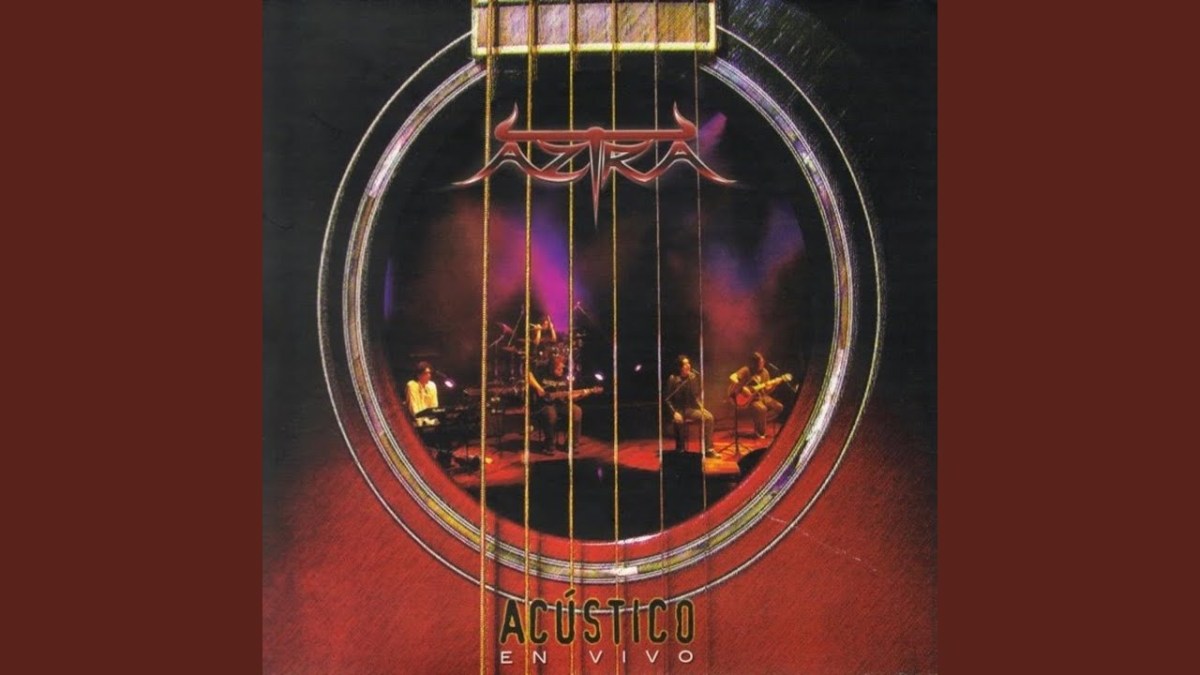
Just as with we did with Panopticon, we are diverting from our focus a bit for a band that is not known primarily for its neofolk tracks, but is still so indebted to the genre that they deserve attention.  Aztra is an Ecuadorian metal band based out of Quito that has made regional folk music the core of their sound since their founding in 2005, drawing out in the same way that the revival of Northern European country folk music built the core of early neofolk bands.  This cultural revival has a point for Aztra, particularly drawing out the importance of the indigenous folkways of Ecuador that have been erased through centuries of settler colonialism.

It is that folk metal sound that links together their six full length albums, ranging between explosive and stagey metal songs and neofolk that sources much of its instrumentation and rhythm to the indigenous communities that the band members come from.  There is a certain fusion at work, between epic metal coming out of the late 80s American scene and regional folk music,patched together into a tapestry that is both wholly original and reminiscent of Latin American metal bands of the 90s. Aztra is not afraid to go over the top, to wail in the way that 3 Inches of Blood or Dragonforce did, which is why songs about liberation and class war are still so fun.  The infusion of Amorfino, Sanjuanito, and the kind of songwriter finger-picked guitar makes it feel as though anything could surface because there is such a well of musical history to pull from.

Because Aztra is definitely more of a metal band we are spending a little less time on them, but their anarchist and anti-colonial roots make them perfectly centered for our mission, and since they drive heavily into the neofolk scene we think they should be included.  This is especially true with albums like Guerreros (2016) and Raíces Latinoamérica (2012) where they allow the folk music to really bring us back to the stories of home.  It is their 2010 live album Acústico Vivo that we are going to embed because it so perfectly fits the neofolk parameters, especially when we think of neofolk as an international phenomenon that draws on folk music traditions of different regions.  This is important as we demolish the Eurocentric perspective on the genre that has been driven by the far-right scene and prioritize indigeneity around the globe.

It is also in Acústico Vivo where a certain passion erupts, the return to the Latin ballad, and a broad range of instrumentation, including the wooden flute that stands out in neofolk.  There is a rhythmic pacing to each song that never feels as though it is backing away from the epic intensity that their metal songs are branded with.

Aztra’s name comes from the sugar mill where workers went on strike in 1977, but were attacked by the dictatorial forces.  They are vocal in their opposition to the economic globalization offered by the World Bank and IMF, particularly how it affects indigenous communities in the global south.  Lyrics to songs like Hijos del Sol speak to this:

We sing for the child and because everything

And because some future and because the people

We sing because the survivors

And our dead want us to sing

We sing because the scream is not enough

And it’s not enough cry or anger

We sing because we believe in people

And because we will defeat defeat

We sing because the sun recognizes us

And because the field smells like spring

And because on this stem in that fruit

Every question has its answer

We sing because it rains over the groove

And we are militants of life

And because we can’t even want

Let the song become ash.

The band hopes that their music will serve as inspiration in the same way that music has always powered vibrancy and resistance in Ecuador.  The album Guerreros, which is ‘warrior’ in Spanish, burned this spirit into the record.

Warriors born as a proposal of social resistance, day by day we live constantly fighting from any space and from any stage, to each of the members and militants of our people, that makes us warriors. Our trench is art. We are warrior workers of the art that we are looking for day to day better conditions of life for our towns.

This means truly rethinking what struggle is, outside of the confines of what anarchism has offered before, and instead with  “each song we are always proposing new ways of building a different and fairer society.”

We are putting an Acústico Vivo track below for you to check out (but no Bandcamp, unfortunately), and we have added several Aztra songs to the Antifascist Neofolk Spotify playlist.  Check out both below:

And, as always, add the Spotify Antifascist Neofolk Playlist!

Panopticon’s Neofolk Side Proves They Can Do Anything

Black metal virtuoso Panopticon has a whole neofolk universe, and now we are adding it to the neofolk canon!

The eclectic nature of neofolk (and this blog) means that there is a broad spread of folk music that the genre can pull from, but there are a few common features.  Paganism, history, community, resistance, and the struggle to maintain a counter-culture all collapse together like a neutron star with Panopticon, a genre defining Americana black metal band that has become a staple of Old God playlists.  Based out of Appalachia, the uniqueness of their sound is a the methodical rhythm of storytelling, which founds their albums in a tradition of oral history that traces back past the coal mining migration to the mountains or the economic collapse and mass exodus from West Virginia.

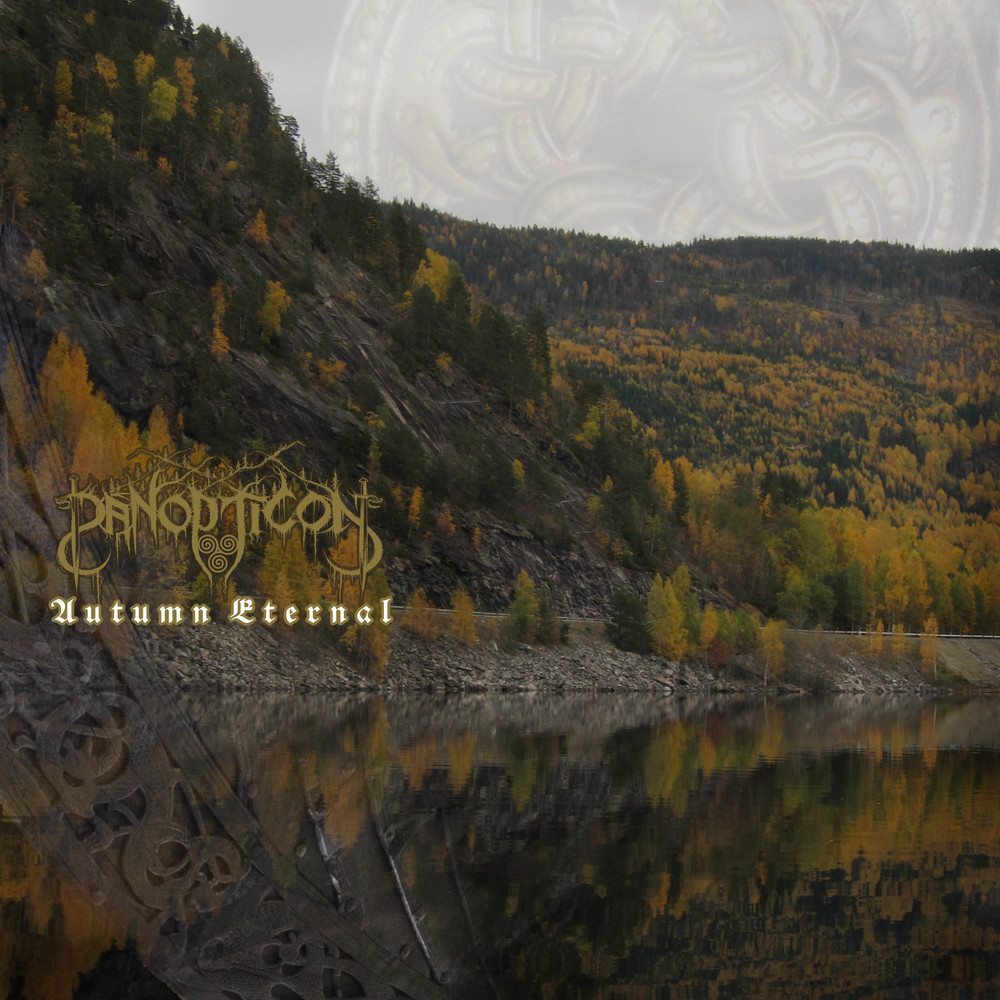
It was tough to choose a band that is primarily known for its deep screeching metal sound to feature on this site so early, but that is not the Panopticon we are going to focus on.  While they tower high in the world of epic metal, that is only one half of an incredibly diverse musical array that drives heavily into the world of european neofolk revival, Appalachian folk music, vibrant bluegrass, and tech-imbued ambience.  Albums like The Scars of Man on the Once Nameless Wilderness 2 (the twin side to a crushing metal first entry) forgoes the sound of the prior entirely to jump into a folk traditions of culture that formed up around working class coal miners who developed an internal community life that riffed on folk spiritual and survival lessons from the old country.  Autumn Eternal is mixed company, slow acoustic sets, marked particularly by slow strings, ar interspersed with the sound that we are so accustomed to hearing. The shifting sound, which has gone from full bore hillbilly country to acoustic silence of neofolk to blackgaze, is something to really marvel at when we are talking about a single person stretching over fifteen albums.

While it is clear from their lyrics, almost spoken didactically at times, that they see folk traditions and spirituality as a claim of strong community bonds against a commercializing world, this is centered deep in the class politics that are rightly the province of West Virginia.  Starting with a focus on mass incarceration and the surveillance state evolving in late capitalism, Panopticon has a strong prison abolitionist strain. Kentucky and West Virginia’s labor history, particularly the “redneck” coal strikes that charged the region with the kind of militant anger that only comes the kind of brutal exploitation that coal barons have staked their reputation on.  The album Kentucky deals with this heavily, introducing the labor folk songs of the area that many would expect from the Industrial Workers of the World’s “Little Red Songbook” or Utah Phillips last release.  There is a deeply felt sense of loss in the way the album deals with settler colonization of the Americas, but still finds heroic stories in how it recounts the trials of Sacco and Vanzeti, the Haymarket martyrs, and ground laid by anarchist figures like Emma Goldman (The final track on their self-titled debut is called Emma’s Song).

Panopticon’s main figure, Austin Lunn, is open about his anarchist politics, the way that regionalism plays into his worldview, and how it is connected to struggle.  This on the theme of identity that plays so heavily in neofolk, but takes it decisively back from the far-right, who tries to essentialize it with race and gender. Instead, it is working class community, the beauty of the mountain, and the bonds formed in rural backgrounds that formed that sense of self.  There is a bluegrass pick in it, the sound of a dripping still, an uncle’s voice of advice. Those roots are the multicultural mix of working people, those who survive only because of the skin of each other, and Lunn is proud of this. Part of Lunn’s refusal to do too much press or numerous interviews with metal magazines is the antagonistic response to open anti-racist politics, which some see as divisive or “witch hunting.”

Panopticon has made a point of playing at metal festivals that eschew apolitical fence-sitting for open politics, like the Dutch festival Roadburn.  He is continuing this trend in the upcoming Northwest Terror Fest happening in Seattle from May 29th to June 1st.  On Wednesday evening Lunn will be playing an acoustic set, perfect for anyone interested strictly in the neofolk side of Panopticon.  The festival itself (which we will be covering in the future) will be filled with anti fascist metal and grind new-standards like Dawn Ray’d, Cloud Rat, and Closet Witch.

We are adding only a few of Panopticon’s neofolk tracks to our playlist, as well as embedding their Appalachian folk and euro-neofolk albums below, but feel free to check out their entire Bandcamp library.

 https://open.spotify.com/embed/user/blackcatfilmsltd/playlist/74snxst77irk3jahKNMupq

Nuwisha, Portland’s Eco-Neofolk Band Bringing DIY Back to the Scene

a3621922488_10

The wooded strip of land that runs along the coast West of the Cascade Mountains seems to draw its own sound, meted out of the deep woods and the terror of deforestation and ecological collapse.  Nuwisha makes perfect sense as it is part and parcel of this environmental inspiration that comes from “cascadia,” the western region of Oregon and Washington that stands out as a unique bioregion.  Like other cascadian bands, particularly black metal projects like Wolves in the Throne Room, there is a “cascadia scene” of bands coming out of the woods, with their music tied deeply to what the natural world inspires and the fierce rage that is sparked in its defense.

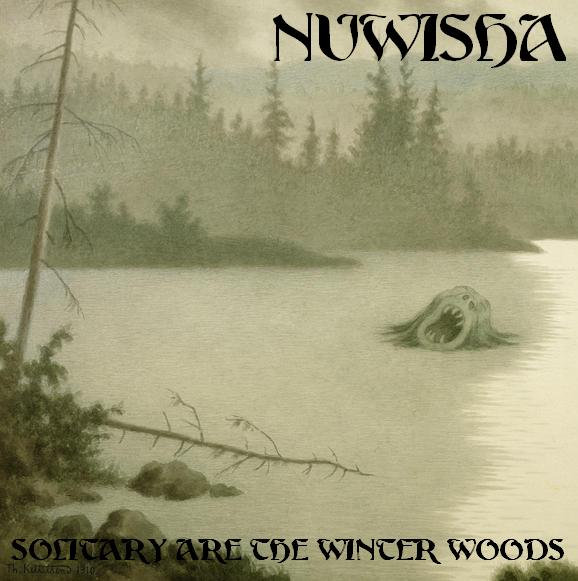
We first came across Nuwisha on Red and Anarchist Black Metal (RABM), which noted that it really is a blackened neofolk project because of the black metal elements like a grinding guitar that appears as a layer under some songs or the screeching vocals.  These are really intermittent, and it feels more like Current 93 in the vocal style than Empyrium. You get the sense when listening to their debut demo and their 2013 album Solitary are the Winter Woods that this is a DIY project, driven people getting together and performing and recording it themselves.  

While it is a diverse and eclectic sound, there is a conscious effort to appeal to the neofolk scene, even including a musical interlude halfway through called “Winter Interlude (A Song of Ice and Fire).”  The lyrics are classic neofolk fare, focusing on the cycles of natures, the celebrations of the equinox and Ostara, and calling back to an earth-centered view of what creates vibrance in a community. The stifled cold of winter plays its own character in the album, which is the kind of mournful cry that often gives neofolk that bitter call, the kind of thing that is perfect for your Yule sunset playlist.

The band launched its first demo, Laughter on the Wind, 2012 in Portland, Oregon by Rowan WalkingWolf, who is noted by RABM to be one of their readers and how they were keyed into the band even though it may be a little past their scope.  The eco-anarchist perspective was highlighted there, saying that it was the “profound experiences in and deep ecological connections with the Cascadian landbase and by dreams of the inevitable annihilation of civilization and the aftermath thereof.”  This is reminiscent of many of the hardcore projects that lingered around Earth First! In the 1990s, like Earth Crisis. Rowan has a second neofolk project, Sparrowhawk, which we will profile in the future, which also has members of the Portland synth-folk ensemble Plantrae (we will probably get to them too).

Nuwisha seems to be on hold right now since they have not had a major release since 2013, which likely owes to the fact that Rowan is running around starting up new projects around cascadia.  This is common in this sort of scene, constantly reinventing the sound, starting new bands and solo projects, and finding any way of making something unique in a flurry of Bandcamp releases.

Nuwisha is not on Spotify, so we will just put the Bandcamp embedding here to check out.  We may start doing an alternative playlist function so we can keep bringing in bands not found on Spotify.