By Jay Nada
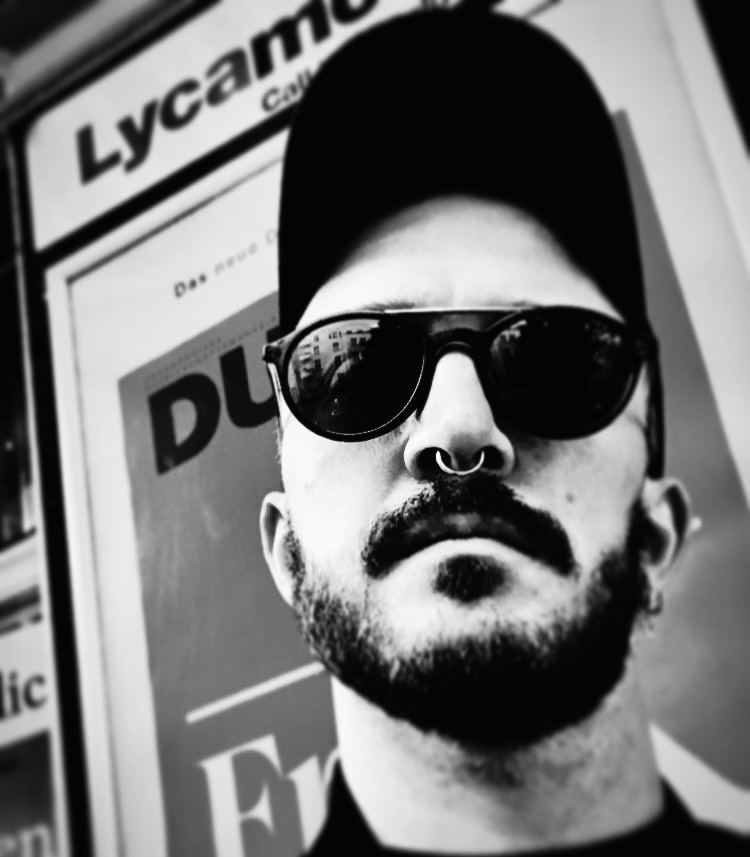
Corpse d’Alsace is an exciting new neofolk project from Berlin that openly explores themes of love, lust, conflict, and queerness. Their first release, “What Else Is There But Death And Buggery?” is an excellent and potent Working. Highly recommended for those looking for a fresh yet familiar take on the genre, with its exploration of dark romanticism and intimacy in the face of obliteration. We wanted to explore the themes of the album further, so we contacted the band for an interview.
Jay Nada: Let us begin. We can start with a little bit of background. What is your name and role in the project, and is this a solo endeavor or do you have collaborators? What led to the conception of this project? I am also curious about the origins of the name. One could assume that the name of the project is of geographical significance, is this correct and if so, could you elaborate on that?
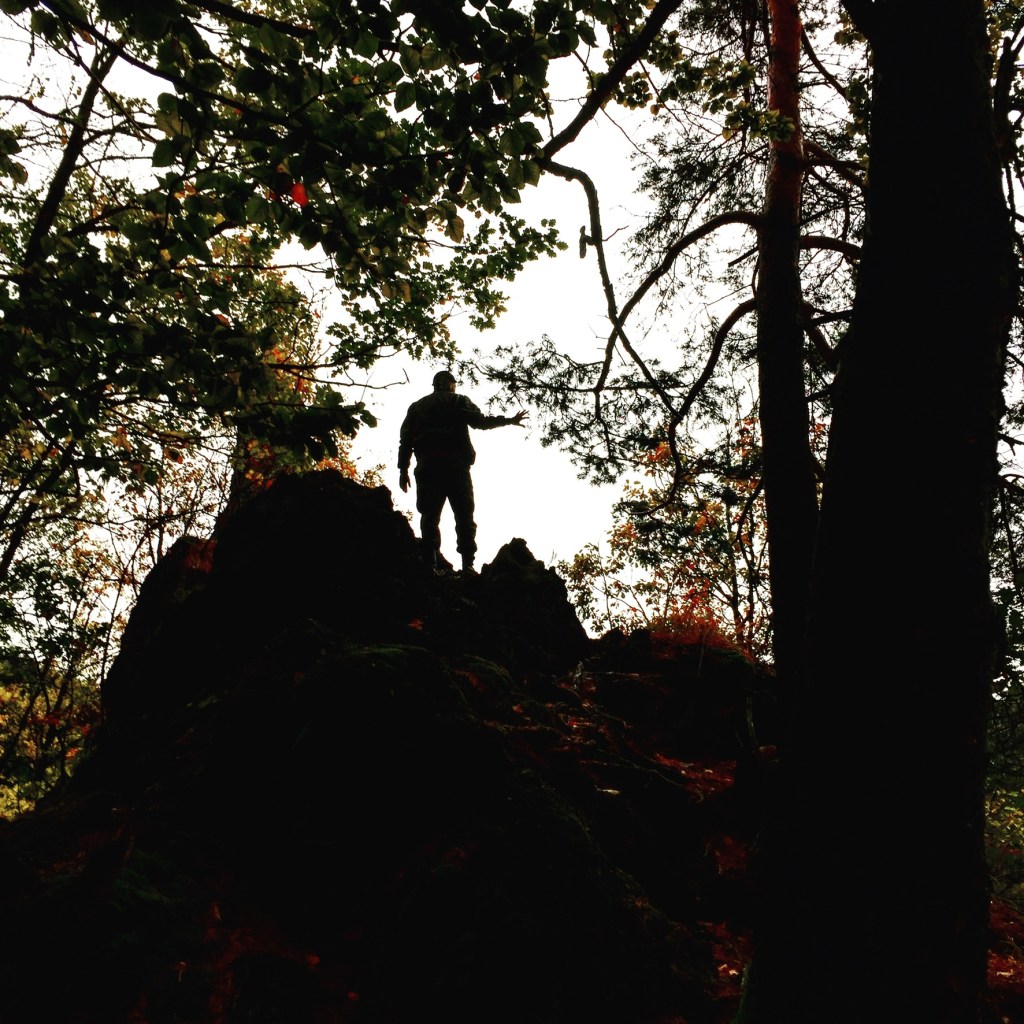
Jean Christophe Lon: You can call me Jean Christophe Lon. Corpse d’Alsce is a solo project, where I write, play, and record everything on my own. So, there’s no other people involved, besides friends who help me with mastering or layout stuff. This is very important to me, because I was looking for a direct and spontaneous way to communicate with people and get my music out there without being tied to others. This might lead to a more rough and DIY sound, but that’s ok. I’m bored very easily, and this way of working gives me the opportunity to move on very fast after I’ve written and recorded a track. You’re right, the project’s name is linked to a certain region in France. On the one hand it was just an emotional decision, because I have a private and highly emotional connection to that region. On the other hand, this region reflects a certain state of “inbetween” when you look at it from a historical point of view. Neither here nor there. It also shows the senselessness of national borders, at least from my point of view.
JN: What led to the conception of this band, how did you start and why? Do you have a background in music?
JCL: Yes, I do have a background in music. I started making music around 1992 and had two dark folk bands during that decade. It was the golden era of the so-called tape underground, where loads of bands without record deals were distributing their music on tapes through small ads in underground magazines. It was harder to record stuff back then, because all the equipment was quite expensive and analog these days. And, to be honest, we were neither rich nor successful nor good, from a musical perspective. So, I stopped making music around 1999 and moved on with my life. A few years ago I felt the need to continue with music and to close this open wound.
JN: The album begins with a bombastic reflection of what I think is the material core of all living beings, there is a sense of ritual and magick in this opening. It feels like an enticement. Can you elaborate on setting the album with such an opening and how it plays with the overall aesthetic of the album? Is there a spiritual, or perhaps socio-political, element to your work? Though perhaps not something overt, how do social and political conditions affect your work?
JCL: My album is in some parts a reflection on how queer identities are smashed in heteronormative structures – especially in times of war. After Russia’s terrible war on Ukraine started, I heard a lot of stories about trans women who weren’t allowed to leave the country anymore, because the state of Ukraine still identified them as men and “men” were supposed to go to army service. Then I heard stories about a queer collective from Kyiv who was organizing techno events before the war and then became a LGBTIQ* division within the Ukrainian army, posing with machine guns with pride flag stickers on it on Instagram. Two totally different but moving stories, that affected me and led me to think about war and queerness in general. I mean, as queer people we are in a permanent state of war in most of the countries of the world. But this was the first time when I witnessed, how the machinery of war – which I consider male and heteronormative in a way – sucked queer identities into its system and logic. “Intro: The Bull” is a reflection on this, it represents the masculinist machinery.
JN: Throughout the album, there is an atmosphere of fatal romanticism and eroticism, particularly in songs like Für Karl and Fucker, how does this interact with the idea of “queering neofolk?”
JCL: I use the phrase of “queering neofolk” because I play with the perception of the listener. I use all the patterns that you would expect from a neofolk sound and universe but I come to different conclusions than most (or some) of the bands of that genre. So, I cross the categories of neofolk in a way, hoping to make people feel a bit uncomfortable. Especially when my lyrics become very gay and very cheesy.
JN: By the way, I love the sample used in Für Karl, what moved you to using that? Also, anything to say about the eponymous Karl? Not to pry, of course.
JCL: Using that sample from “Moonstruck” with Cher and Nicholas Cage was part of this idea of queering the genre. A lot of neofolk bands, especially from the first wave, used samples from political speeches or underground movies to underline their intellectual or politically problematic image. I use Cher. What more can I say? For the second part of your question: I’d better not talk about Karl here.
JN: The range of sonic themes in this album touch on experimental and ritualistic elements alongside neofolk and almost dark pop elements, can you describe your approach and process when it comes to writing or recording your songs?
JCL: I write and record quite intuitively. On “What Else Is There But Death And Buggery?” I wrote and recorded one song per day and never touched it again after that. Well, maybe small sound corrections here and there but not much. I wrote the music in the morning, recorded, and produced it during the day and improvised the lyrics and the vocals in the evening. That’s it. It was all about getting the stuff out of my system and moving on. I really enjoyed this way of working as I am involved in other musical projects that are way more sophisticated musically. Corpse d’Alsace is all about the magic of the moment. That’s the reason why my music on this album sounds quite lo-fi and is full of tiny mistakes that you might discover if you are a perfectionist and listen very close.
JN: What would you say influences your creativity, if anything, be it music or art? If you were to recommend a piece of art or literature for your listeners to get a better grasp of your work, what would that be?
JCL: Hm, that’s very hard to tell. Sonically I think it’s obvious that I’ve listened to some classic neofolk stuff of the late 80s and early to mid 90s a lot. I cannot say much about what happened in this genre after the turn of the century, because I turned away from it around 1999. I needed some distance from its sometimes quite toxic elements. In the last few years I started to listen to that kind of music again if I felt like, but I would not consider myself an expert on post-millennial neofolk. I always liked the way that Ordo Equitum Solis for example used field recordings, ambient and occult – or let’s say romantic – elements and neofolk-ideas on their first three releases “Solstitii Temporis Sensvs,” “Animi Aegritudo,” and “OES.”
JN: As a genre, neofolk has a long, controversial, and tumultuous history of having connections to various far right (at times overtly, other times covertly fascist) ideals and movements. Though often couched in apolitical sensibility, it’s hard (if not impossible) to deny the tendencies within the movement. How do you reconcile this reality with your own output, especially in the face of a rising tide of fascist politics all over the world?
JCL: All I can say to this is that I will never let Nazis “possess” a certain kind of music genre. And I would never see myself as part of a neofolk movement. I’ve seen all this during the 90s, especially in Germany after the wall came down, when the audience of neofolk shows shifted from the left to the right within let’s say five years and some of the bands let go of all irony or double meaning in their dangerous play with fascist imagery. At least that was how I preceded it. That was a very hard time for me because that genre meant a lot to me in those days. And I’ve always considered myself as anti-fascist, anti-racist, anti-masculinist and queer. Back then I decided to never be part of a certain “scene” again. And I think I’m still true to this to this day.
JN: What is next for this project? Are you interested in bringing your music to a live setting? Can we hope for more music in the future?
JCL: At the moment I’m working on other projects, but there will be new Corpse d’Alsace songs this year, I’m sure. When it comes to live shows, I’m not sure what will happen in the future. I suffer from a massive anxiety disorder, so the idea of playing live scares the fucking shit out of me. But let’s wait and see. Never say never.

Corpse d’Alsace is not currently on Spotify, but once they are we will also add them to our Antifascist Neofolk playlist. Please follow that playlist if you are a Spotify user, and reach out to let us know about other bands you think should be covered and added.


 A Blaze Ansuz: Antifascist Neofolk