There is an epic metal quality to the Bavarian metal band Waldgeflüster, whose musical storytelling feels more like a drawn out saga rather than a radio edit. Samples, changing atmospheres, diversity is instruments and musicianship, all remind us that black metal is such a shifting currency that it can really be a platform on which to experiment. At the heart of Waldgeflüster is the use of both folk music and the forest traditions, a voice of the Gods that is much older than the songs being recorded.
We talked with the band about how they started, how they piece together their unique sound, how heathenry informs (or doesn’t) the music, and how metal can approach fascist entryism.
How did the band first come together?
I started Waldgeflüster as a Soloproject in Winter 2015. I needed an outlet for the ideas that did not fit to my main band back then. In Summer of 2006 the first demo was released, and it went on from there. I quickly recruited session musicians to play these songs I created live. I worked like this for years, with session musicians coming and going. Around 2012 the line up became more solid, and after playing with the same guys for several years and getting to know each other very good, I offered them to become full time members of Waldgeflüster, with all rights and duties that come with it. Since then we released 2 albums and 1 split, and I am still happy with the decision to ask my bandmates to join me.
Was it the first musical project you had all been in?
No. I started a band in school. Later I formed another one with some friends, which was called Scarcross. We existed for some years, recorded some stuff, played some gigs. But it never really got serious. Not because of the lack of musicianship, more due to a lack of motivation to go the extra mile by the other guys and also conflicting ideas in which direction the music should go. When this became clear to me, I started Waldgeflüster.
You have an incredibly eclectic sound, how do you define it?
We don’t define our sound. We do and create what we want to and feel like. We try to make every song unique, at least one detail must be something we never used or did before. We also get our inspiration from a lot of different genres. For example Folk, Country, Black Metal in all it’s substyles; Melodic Death and even Pop and Electronic Music can be found in my playlists. I like contrast and diversity. I guess this leads to our sound being very broad.
Do you feel like you are a part of the metal and/or neofolk scene?
I feel part of the metal scene to some extent. We define Waldgeflüster still as metal but we do not want to restrict ourselves with that label. We are very far away from the neofolk scene though; we do not have any connection points with this scene.
How does song writing take place? Is it a collaborative space?
Usually I sketch out the first ideas for a song. I record some guitar riffs and program some basic drums to them. From there it becomes a collaborative space where everyone can contribute as much as he wants. We try to keep the decisions democratic, but in the end, I have a veto right for everything I do not like. Our songs go through many iterations of demo recordings until we all agree that we have the final version, so it usually takes several months until a song is finished. We are not your classic rock band that writes some songs in a rehearsal session together, everything is done with demo recordings, that we sent back and forth.
How does heathenry inform your music? Are folk traditions important to it?
I need to be honest here: Neither heathenry nor tradition have any importance for our music. Waldgeflüster started back then with some ideas rooted in heathenry, but nowadays it doesn’t have much influence on our art. Not only would I find it to be boring after 5 albums to write about the same topic over and over again, but I also do not consider myself a heathen in a sense that most people would do. I would say I am more of a “heathen atheist” – I accept no higher power above myself, except nature. To me the Germanic mythology is an attempt to explain the forces of nature from a pre-Enlightenment perspective. It contains beautiful metaphors, and we can definitely learn from it to respect nature and worship it as our reason of being. But apart from the nature aspect, I do not take anything literal from the mythology and therefore also see no reason to be bound to any rules or ceremonies or whatever.
As for traditions: I am not a friend of traditions that are being kept alive for the tradition’s sake. Traditions were at some point born out of necessity or practical reasons. If the necessity (necessity here also includes something like the appeasing of a god) or the practical reason is lost, there is no sense in keeping them alive as an empty shell. Of course a beautiful blot has something magical about it. But if you strip it down to what is still “necessary” today – when you take away the believe in higher beings – what stays from it is the getting together with close people and for example saying a truth out loud you normally would not. To me this is the core of that specific tradition, the one thing that is still valid. What I am trying to say is this: Don’t keep traditions alive just because they are old. Take of them what is still valid and important in a modern world or even better: get rid of the old traditions and create new ones that fit to your life. In the end is not more important to create a new tradition like getting together with a close friend on regular basis than pouring some mead into the fire?
There is a heavy presence of a connectedness to nature in your sound. How does a bond with the natural world inspire your music? Is your music motivated by a sense of defense of the earth?
Nature in my music and lyrics is always present. Being out in nature inspires me. But nature is never used for its own sake. I use it to create a setting, as metaphor to talk about personal feelings and ideas. Waldgeflüster is very intimate music. It deals with my inner demons, melancholy, sadness, etc. It never preaches or deals with “wordly” stuff. At least it hasn’t so far. Nature gives me the calm and the strength to face my deepest fears and problems, that’s why the music is so connected with it. So there is no sense of defensing the earth in Waldgeflüster’s music. I deal with the world and how to make it a better place in my other project, there is no room for the everyday crisis in Waldgeflüster.
What do you think it is important to oppose fascism and racism in the music scene?
It was always important and it is becoming even more so. Throughout the whole world one can see a new rise of the right-winged, the fascist and the numb. The old argument “But I like the music” doesn’t count anymore. I will admit that I have such “guilty pleasures” with bands who at least do not distance themselves as rigid as I would like them to do so. But I will never listen or support open right-winged bands and I will defend all concerts being canceled due bands playing that are in the grey area. The funny thing is that those people who complain the most about concerts being cancelled WANT to be “dangerous” and not to be part of society, but they cry like little children when their favorite edgy band’s gig gets cancelled because they provoked just a bit too much. I find that a bit schizophrenic. So, in short, I think it is important to speak out against fascism on every occasion we get. The great majority has been quiet for too long and accepted the growth of this plague in our midst. It’s time to push back with all we have.
What bands inspire you and you would recommend for antifascist metal and neofolk fans?
I am inspired by many bands, too many in fact to mention them. If you narrow it down to bands that might be interesting to antifascist metal and neofolk fans, Panopticon is the one thing that comes to mind immediately. But I guess everyone here knows them already anyhow.
What is next for you? Any sideprojects? Do you have any tours or new releases coming out?
We are working on a release in the background, hopefully coming the beginning of next year. Don’t want to go into details yet, only that this will not be something genuinely new, but still might be of interest to people who follow us. We also plan to play some shows next year, but nothing is written in stone yet. I am also in the final steps of the production of the 2nd album of Uprising. Uprising is my side project where I focus on more traditional Black Metal but with a very “wordly” and leftist agenda.
We added a Waldgeflüster track to the Antifascist Neofolk Playlist on Spotify, as well as a number of other new additions to the playlist. Make sure to add it and share it around. Also check out some of their albums from their Bandcamp.
Neofolk has a symbiotic relationship with black and folk metal, intermingling folk traditions and orchestral sounds. This is the murky world of musical crossover that antifascist neofolk exists in. We are big fans of the folk metal band As Light Dies, which has been added to the Antifascist Neofolk Playlist on Spotify, but we discovered that the folks behind ALD are also the musicians in the amazing antifascist neofolk project Aegri Somnia.
We talked with Oscar Martin about both As Light Dies and Aegri Somnia about intermixing music, the inspiration they get from heathenry and the Spanish Revolution, and why fascism is not negotiable.
How did ALD come together, and how do you define the sound?
My perception of As Light Dies sound is very huge. It could be some kind of Dark rock metal band, with many influences from folk music. I think that is more important that each listener have the experience to define the sound by themselves.
Was this your first metal band?
No, it wasn’t, but it was the first band I took seriously.
What are some of the lyrical themes that drive the music?
We use to speak about many things, science, depression, Lovecraft, suicide, history, philosophy, maths…
Why do you think it is important to be a publicly antifascist metal band?
I think that everything cultural is always contrary to fascism. A fascist music band is something contradictory.
What is coming next for ALD?
We are working slowly to reissue our demos, and afterwards we will release Love album vol 2.
What black metal bands would you recommend for antifascists, and what bands have influenced you?
I don’t know which bands can I recommend since I don’t know the political views of others, and I don’t know any black metal band which proclaims themselves to be antifascists.
How did you first bring together Aegri Somnia, what was its history and is it primarily your solo work?
It is a work of two persons, Cristina and me.
There is a subtlety to the music, bordering on soundscapes. How did you come up with this particular sound, and how do you define it?
It is Spanish traditional music with influences of dark music. It sounds particular because traditional music in Spain is not really known. So the mixture of traditional music, and traditional instruments with dissonances, gothic rock and distorted guitars makes it even more particular.
What is your creative process like when putting together Aegri Somnia tracks?
We select traditional songs, which use to be just voice and percussion and the we try to build a very different musical framework.
How does paganism and spirituality play into your work?
I’m not too much into paganism or spirituality as I am a science man and I dislike any kind of religion. We are interested in fantasy, magic, ghost histories and these kind of things, but just cultural interest as part of folk.
Neofolk is often known for having a problem with fascist bands and fans, have you experienced any of that influence in the scene?
We don’t consider Aegri Somnia a neofolk band, we are more a folk band in spite our disguise. Folk music in Spain doesn’t have problems of this kind. It is truth that in neofolk movement there’s some kind of attraction to some symbols, and war, and also exists negationism about the crimes of fascism, specially here in Spain were we are the second top country in the world in disappeared people, a place where 300,000 babies were theft in our hospitals with the help of the church, and that happened after our civil war. It is a shame that now the post truth guides the nowadays way of thinking. Truth is not about personal preferences. The truth is the truth.
Why is antifascism so important to you?
In Spain we have a serious problem of historical memory that most people prefer to leave as is because the big companies in this country have profited from the blood of repression and have benefited from the slavery of political prisoners.
I also want to remind everyone who believes that Franco was a patriot who does not forget that he asked for help from Hitler to bomb Guernica and his civilian population, which was the condor legion, led by Commander Wolfram von Richthofen who bombarded a Spanish city and his countrymen, including innocent people, women and children. Keep it in mind when you hang the flag on the balcony, and stop looking at the other side.
Fascism comes to smash, not convince, what is out of their straight way of thiking, which they imposes it by force. They always hold hands with the powerful families. They come to establish hierarchies and repress the people.
The Spanish Revolution (Spanish Civil War) plays a heavy theme in your work, including the revival of those folk songs. Why is that period so influential to you? Why does it hold so much relevance now?
The Spanish revolution and the Spanish civil war are different things that should not be confused.
It is true that there were some populations that made the revolution, but in the best case it lasted only a few months and it was due to the lack of order, since the army and the police had joined the fascists.
What we wrongly call the Spanish revolution was when the Spanish people rose to the invasion of France during the Napoleon Empire. Everything to give the crown to the most despotic Spanish monarch in our history.
If you are Spanish, your family has been affected by civil war. The Spain who lost the war was exiled, killed, imprisoned or repressed. The part who won the civil war was the rich, the military oligarchies, Catholic church, bankers, fascists and devotes. It is impossible to understand the nowadays politics without the fact of civil war.
Part of the country’s false modernization was the rural exodus to cities. So repeated and vaunted has been the myth of the rapid modernization of Spain, but cities have been the only thing that was modernized, and outside the large nuclei everything was abandoned. Everyone was going to look for work in the cities, and the towns and their people were gradually aging until they died. Spain is a country full of ghost towns and abandoned villages. That is one of the reasons our music and our traditions are in danger. Our cities are globalized, and mediatized and we consume external culture. As I answered in the previous question, it seems that part of that neofolk prefers to import more known cultures such as German, Norwegian or North American, while ignoring what we have here. That is why we who dedicate ourselves to folk music and have a responsibility to rescue and spread these old songs before they die, and the only way is to go to these villages where there are few inhabitants left and talk to the elderly. We have to know the variations of the traditional songs that they sang in their town.
Do you think that there is a growing scene of antifascist and left/revolutionary neofolk bands? How do you think that is changing the genre?
I don’t really know the scene in neofolk, as I said before, we are more into folk music, and folk music always tends to be leftist.
What is coming next for Aegri Somnia?
We are preparing music for new shows and we are preparing our second album.
What bands have influenced you, and what bands do you think antifascist neofolk fans should check out?
If we have to speak about influences in folk we always speak about the work of those who compiled old songs as Joaquin Díaz, Manuel García Matos, folk musicians as Carlos Porro, Eliseo Parra or Xabier Diaz, and bands as Vihuela and many others.
If we speak about the dark side we always have in mind Dead Can Dance, Ved Buens Ende and the 3rd & the mortal.
We have added one track from As the Light Dies and three tracks from Aegri Somnia to the . Antifascist Neofolk Playlist on Spotify. You can check out tracks from both band’s Bandcamp below.
The antifascist neofolk and genre community is not just a matter of the incredible bands building the sound, but also the labels, producers, and promoters getting this moving. We want to start raising the voices of some of these independent labels talking about the work they are doing to bring in left bands in this scene.
So here is our early release of an interview with the folks behind Realm and Ritual records, a cassette label that specialized in black metal, dungeon synth, and a whole range of stuff. This includes a number of antifascist bands, which we will be excited to profile (and one we will release an interview with shortly).
How did your label come together? What bands are on it and what is the mission?
Realm and Ritual started a little over a year ago in my bedroom in Boston, MA. I had wanted to run a label since unsuccessfully doing so forever ago when I was in high school. It wasn’t until recently that I felt that I had enough time, patience, and disposable income to actually make RAR a reality. My mission statement was to release black metal and dungeon synth that I felt an emotional connection to on my favorite format, cassette. I knew I wanted to release red and anarchist black metal–I am both anti-capitalist and anti-fascist–but I actually wan’t intending the label to be overtly political. However, after seeing NSBM out in the open–bands using nazi imagery, espousing racist, misogynistic, and fascist ideologies–and seeing much of the black metal community support, sympathize, or remain ambivalent on this, I wanted to be clear where I stood.
I’ve released music by some outspoken anti-fascist projects: Gudsforladt, Awenden, and Howling Waste. Though most of my releases haven’t been by overtly political projects, I do vet everyone I work with to ensure they don’t support NSBM or right-wing extremism. I am cool providing a platform for a variety of topics and themes; I’ve put out tapes based on His Dark Materials Trilogy, Shining Force (the RPG for Sega Genesis), and space exploration. My only rule of thumb is that I have to like it and it can’t be ideologically shitty.
Why is it so central to have anarchism and antifascism in the music scene?
It’s important to have anarchism and antifascism represented in music as a counter to right-wing extremism. While I think this is important across the board, I think it’s especially important to have anti-fascist views present in music for younger people first discovering these communities. I want kids getting into black metal to know that it’s not Burzum or bust, that extreme music is not synonymous with white supremacy or edgelord bullshit. The alt-right is a propaganda machine and it’s so easy for disillusioned folks to point their anger in the wrong direction. It’s our job to educate and provide a counter-narrative.
What kind of music do you focus on for the label?
I try to keep a balance between black metal in its various forms–atmo-black, DSBM, RABM, Cascadian etc.–with dungeon synth and dark ambient. I try not to get too distracted by genre labels but at the same time use them as a basic guideline. There are a few other labels with a similar focus that have been successful with maintaining a balance between interconnected but often musically disparate styles. I’m trying to do the same.
Have you dealt with white nationalist attitudes in the black metal and neofolk scene?
In short, yes. With black metal it’s so prevalent that I ended up joining a Facebook group devoted to identifying which projects have fascist ties. It’s astounding to me that the black metal community by in large accepts shit like Peste Noire, Satanic Warmaster, and Hate Forest. I don’t think that most folks who listen to this identify as white-nationalists, but there is a willingness to overlook harmful belief systems in service of “black metal should be dangerous” or “I just listen for the riffs”. These statements come from a place of privilege and ignorance.
In terms of neofolk, I’ve only just recently started to dip my toes into it. It can be difficult to navigate a new genre of music that has been identified as having a problem with NS views. I’m really enjoying your site though and have found a couple of artists I like: Hindarfjäll and Deafest come to mind immediately.
How do you think people can deal with the fascist presence in neofolk?
I think there are many ways to fight fascism in music. For a starting point, support outspoken anti-fascist artists. Post their music, buy their physical media, recommend them to friends, see their shows. It’s ok to start small, a social media post is fine. To confront fascism, I think one place to start is to call out bad behavior, shitty ideals, and bad practice. Often online arguments feel like they don’t result in any actionable change but having these conversations out loud lets people know that there are multiple sides to this. If you’re involved in your local music scene, stop booking right wing extremists (or sympathizers). Don’t support venues that put on these shows. Let the organizers know you’re uncomfortable with a band being on a bill. Confront people wearing Goatmoon patches.
How does green anarchism play into projects on the label?
While I’m not sure where each artist I work with stands on this, I’d be happy to share my own base understanding of the concept. In any situation where we’re looking for sustainable models for the future, protection of the environment and ceasing our reliance on fossil fuels must be at the core. I’m reminded of a Marx quote, “Capitalist production, therefore, develops technology, and the combining together of various processes into a social whole, only by sapping the original sources of all wealth—the soil and the laborer.” If we are looking to stop exploitative processes inevitable in capitalist society, we must build something that protects workers and the environment.
What is next for the label?
The plan is to continue releasing tapes, with releases from Wounds of Recollection, Orb of the Moons, and Feralia coming up in September. I’m planning on trying to vend more in person and have a trip planned to Seattle for the upcoming Dungeon Siege West.
The goal with A Blaze Ansuz was to help give a name to an emerging music scene, antifascist neofolk and related genres that were bucking the trend of far-right romantics taking over our music. The hope was that once this became a real current then more bands would feel comfortable emerging into this space, and Ashera, from Cascadia (Portland, Oregon), is definitely a part of this trend. Created by Deborah and Justin Norton-Kertson, two organizers in Portland, this music was explicitly political from the start.
In this interview we talk about their background, what fuels their antifascist commitment, and how this new project came together.
How did Ashera come together? What was the inspiration to start it?
The two of us have known each other and lived together as partners for almost 15 years, and Ashera is the latest in a number of bands and music projects we have created together. Interestingly enough, this particular project was inspired by A Blaze Anzuz and your attempt to consciously create the genre of antifascist neofolk.
When you first announced the creation of A Blaze Anzuz and this new genre of music, we were excited to learn about other musicians engaging in this work. It wasn’t long though before the thought occurred to us that it had been six years since we had created any music of our own, and for the first time in years we were actually inspired to do so.
During the Occupy movement in 2011 we shifted heavily into activism and found ourselves spending most of our free time out in the streets protesting Wall Street and police brutality. We formed a band from that movement called Patchwork Family Band, but it fizzled out over the course of the next year as we all moved on to other things. After the end of our local Occupy Portland we were disillusioned, broken spirited, and tired. We stopped creating music for a while and became full-time activists. However, we have realized that we have lost a huge part of our identity by stopping making music together, and Ashera is our moment to reclaim that identity and merge it with our passion for social justice and antifascism. It’s a perfect moment for us to channel our energies into music that can change the world. We are inspired again and it feels great. So without trying to sound like a couple of suck ups, thank you!
What history do you have in songwriting? Is this your first musical project?
Well no, this is not our first musical project. As we said, we have been together as companions and musical partners for about 15 years. The first groups we started playing music with together were pagan neofolk bands like Anam Cara, The Music Committee, and Happy Death Band back in the early 2000s. I don’t think though that either of us were particularly aware of neofolk as a specific genre at the time. It was just what we happened to be doing, and in retrospect we recognize it for what it was.
After a few years, we and some of the other musicians in those early projects moved away from pagan neofolk into folk rock, dream pop, and shoegaze with bands like 7 Story Sound and Azure Down. During those years we spent quite a bit of time at a cabin near Lake Gregory in Crestline, CA just jamming and composing music together.
Our band Azure Down came to an abrupt and unwanted end in 2009 when the two of us moved to Portland for work during “The Great Recession.” A few years went by without us playing much music before we helped form Patchwork Family Band in late 2011.
Tell me about the first single, “1,000 Dead Fascists.” What inspired you to use this shocking title? Is there a bit of humor at play here?
We very much believe that it is vital to come together through grassroots organizing and movement building to defend our communities against fascist incursion and stop the rise of fascism by any means necessary, and that is what this song is about, albeit it in exaggerated form. We aren’t pacifists. In fact, we would argue that pacifism is an immoral and unethical philosophy, particularly in the face of fascism with its ideologies of violent ultra-nationalism, xenophobia, and supremacy (most often but not limited to white supremacy) that historically have resulted in mass atrocities, ethnic cleansing, and genocides here in the U.S., Europe, and elsewhere in the world. So we aren’t entirely sure that it would be accurate to say humor is at play here.
At the same time—in the sense of shock value, exaggeration, and the unexpected—emphatic irony is certainly at play here in the song and its title. You expect calls for genocide to come from fascists. You don’t necessarily expect people who claim to be antifascists to call for something like a thousand of dead bodies in the streets. And no, we aren’t actually calling for the genocide of fascists or anyone else, we aren’t advocating that people start killing fascists. We definitely want to make that clear despite the purposefully shocking nature of the song and its title. At the same time though, like we said, we believe that we must defend our communities against fascism by any means necessary in order to prevent horrors such as the Holocaust from ever occurring again, and that is what this song is about. Of course, we want to see that happen through grassroots movement building that brings tens, hundreds of thousands of people into the streets to confront and stop fascism before it’s too late, and we actively engage in that kind of movement building work in our community. In the 1930s and 1940s it took a world war, hundreds of millions of deaths through that war, and a horribly atrocious Holocaust before fascism was finally stopped. We absolutely can’t make the mistake of appeasement a second time. We need to draw a line in the sand so to speak. We need to stop this new rise of fascism before another Holocaust happens. So let’s come together and build a movement that can do that through sheer overwhelming numbers so that we don’t ever again come to a place where we need 1,000 Dead Fascists in the streets to become a reality in order to stop them.
Why do you think it is important to bring antifascism to neofolk?
It is important to bring antifascism into everything we do, whether that is music, sports, literature, television, theater, or other kinds of art and cultural expressions. In these times where we are experiencing a serious and rapid resurgence of fascist ideology and organizing, so it is vital that we create an antifascism that comes to dominate the cultural expressions of our society.
We happen to be musicians, and it so happens that we have been neofolk musicians since our earliest projects together. Given the particular tendency of fascism to try and co-opt the romanticism, the dreams, and the vision of neofolk music, we feel a particular responsibility to help develop this extremely important genre of specifically antifascist neofolk music.
We feel that music is particularly important in this new antifascist cultural project. Music has always been a means of eliciting emotional responses, of bringing people together around a common interest and sentiment. If we leave this music to the fascists, that is a victory for racism, xenophobia, and violent nationalism.
With the incursion of fascists into the neofolk scene and their blatant attempt to pervert its vision, it is all the more important that we take back this genre of music and use it to fuel the antifascist movement and to create a deeply ingrained culture of antifascism that can and will be an important factor in beating back the fascist creep and creating the better, more just and equitable world that those of us on the radical left so emphatically and sincerely envision.
What ways do you think people can fight fascism in the neofolk scene?
We must not be silent. We must create purposefully and blatantly antifascist neofolk music. We need to confront and challenge fascists at neofolk shows and festivals whenever and wherever we encounter them. And we need to consciously create a purposeful antifascist neofolk scene that brings antifascist neofolk bands and musicians together in community and confederation.
As we were raising our two now adult children together and trying to navigate how to handle situations when they had done something wrong, one piece of advice we were given by Deb’s Dad was “be sure to get their attention.” This has never been more true than it is right now, and it is part of the reason for the title of our song 1,000 Dead Fascists. If you don’t grab the attention of people when harm is being done, then no will look up and fight back. Too many people are all too happy to keep their heads buried in the sand and go about their lives so long as the harm isn’t affecting them directly.
Look at how long the current immigrant and refugee concentration camps have already existed here in the US. Right now, there might not be a movement to close those camps without the bold, attention grabbing, and (to some people) controversial actions of Occupy ICE for example, which was started right here in our city of Portland, Oregon. We must rage, fight, and scream into the void in order to hopefully get people to wake the fuck up and get involved in the fight to crush fascism before it is too late.
What bands are inspiring your work?
Indigo Girls has been a huge inspiration since they hit the scene in the early 90’s. With songs like Our Deliverance, Shame on You, and Pendulum Swinger, they have mastered the art of combining their folk roots with activism and anti-fascist ideology. In fact, the first song we played together when we began hanging out almost two decades ago was an Indigo Girls song called World Falls.
The other obvious and classic inspiration in terms of antifascism and folk music would have to be Woody Guthrie. He is such a giant in the genre of antifascist folk music that it seems cliché, it is impossible for us not to mention him. After all, who doesn’t love songs like All You Fascists Bound to Lose and Solidarity Forever? Also we must mention Bob Dylan. The first song Deb ever learned on guitar was “The Times They are a Changin.”
Another more recent inspiration is Wadruna, a Norwegian neofolk group formed in 2006 that has also been written about by A Blaze Anzuz. We first saw them perform a few of years ago at a music festival outside Portland, and were blown away by their raw connection to their Nordic roots, which we both share in our own ancestry. In fact, our song 1,000 Dead Fascist is very much inspired by their sound. Apart from their amazing music, we have been inspired by their stance against the use of Nordic culture and traditions to promote fascism and racist, nationalistic rhetoric. When we first heard them we weren’t sure where they fell on this, and we felt that we needed to do our homework and find out if they were part of the fascist tendencies in the neofolk music scene. We were thrilled to learn that they have made statements to the contrary, condemning such ideologies embraced by their some of their fellow Nordic musicians. Their courage to take back their rich musical, cultural traditions has inspired us to do the same here in the US.
Finally, we also feel like we have to mention Pink Floyd and Roger Waters as big inspirations of ours. Waters has a long history of antifascism in the music he writes, and his bold stance on the need for the music community and the rest of the world to support the people of Palestine in their struggle against Israeli apartheid through the Boycott, Divest, and Sanction movement is more than admirable.
What is next for Ashera?
We have releases two singles (1,000 Dead Fascists and Capitalism Must Burn) off of our upcoming antifascist lullabies EP. We’ll be releasing that EP at the end of this summer or sometime in the fall, depending on how the remaining recording and mixing sessions go. After that, we have a vision for another album or series of albums called Fan The Flames, which will be an antifascist neofolk re-envisioning of labor and anticapitalist songs from the IWW’s Little Red Songbook.
At the same time, we are continually being fired up by the daily news and we firmly believe that neofolk music needs to branch out beyond its Western, Eurocentric roots. We’d like to explore topics such as immigration, the Water is Life movement, the events occurring on the Big Island of Hawaii at Mauna Kea, and do so in a way that does not involve cultural appropriation. Not only are these topics directly related to both the problems of fascism and capitalism, but it seems that time is speeding up and the stakes get higher with each passing minute. We must continue to channel our outrage into music for the unheard masses in hopes that we can do our part to bring real anti-imperialist freedom to every corner of the globe. Lofty goals for sure, but what is at stake is the future of humanity on this planet and it doesn’t get much bigger than that.
The edges of neofolk are populated by the renegade avant-garde, dissidents from new wave, industrial, metal, and other progenitors of discord. That describes no one better than Florian-Ayala Fauna, an experimental post-industrial musician and visual artist who has been putting together incredible work for over fifteen years. We talked with them about what inspires them, their collaborations with Coil and . Throbbing Gristle, and how hermeticism and Thelema informs their music.
Oh, and why we need to kick out all Nazis everywhere.
Your music has an incredibly long history, how did it get started?
Well, I’ve been doing music of some sort since I was 12, experimenting with samples and rough recordings of sounds with a cheap mic. Industrial and post-industrial acts like Coil, Throbbing Gristle, and others really inspired me to start doing music, as well as avant-garde visual artists like the Surrealists being formative for me as well.
I kind of messed around with tracks on and off for a while before really wanting to establish a project around 2007. I started working with Ableton, which really changed everything as far as production and more complex elements goes. My first album was “glass fawn” in 2009, a 60 minute track with an abstract narrative of a deer getting lost in a dark forest and finding solace towards the end. I used a lot of sound manipulation and field recordings I found and morphed them into a strange organic ambient soundscape. My work evolved from there over time, eventually moving towards more complex work with neoclassical compositions including sampled piano, strings, etc.
What is your working process like, is it mostly a solo project? What kind of tools are you using to produce it?
It is mostly a solo project, though my boyfriend Felix Keigh does vocals for me as well at times (both live and in studio). He’s also queer and trans, so I feel like being a duo at times is a very powerful thing in that sense. As I mentioned, I use Ableton for almost everything along with plug-ins for different purposes running through it. It’s very useful for live shows as well. I use sample libraries with Kontakt to create the compositions involving things like classical instruments, percussion elements, choirs, etc. To be honest, I’m terrible with instruments aside from purposely playing strange sounds with them.
I have a number of instruments I use live and in production work which functions more as providing material for strange sounds and the like . Things I have include a mizmar, Tibetan ritual bells, a violin, rattles, gongs, and more. They’re quite fun to improvise with, even without “properly” playing them. I’ve worked quite a bit with damaged tape recordings as well, including doing numerous loops with a reel-to-reel tape machine in the past.
Does spirituality play into your project?
Most definitely, really in every aspect even before I really started practicing formally. It’s hard to articulate how, because I’m an abstract thinker and part of that is why I do music the way I do. Everything has been esoteric in some way, with my narratives of animal-beings in spiritual journeys or generally wanting to create an otherworldly experience that takes the listener into a different place.
Becoming more formally acquainted with the occult after studying Hermetic magick definitely shaped things as well. It gives me a lot to work with, such as ideas from different world religions, esoteric correspondences, and numerous forms of symbolism. The experiences I’ve had with it became very formative and inspiring, working its way into my work. The occult is intrinsically tied into much of my life, so it will definitely be in my music as well one way or another.
What bands inspired you in doing the work?
As I mentioned, definitely Coil from the start. I first listened to them when I was around 13 and they simply changed the way I looked at music. I think a lot of the British post-industrial scene really played a role early on. Throbbing Gristle and others really opened my eyes to using strange sounds and noise in a confrontational manner. Cyclobe also got me interested in using strange, organic sounds in my work. Current 93 and composers like Arvo Pärt got me looking into classical elements also, those of a particularly religious and somber nature. I think a lot of experimental artists miss the opportunity of placing a great emphasis on emotions and really pushing things in that regard. I’ve become interested in more pounding electronic sounds also, listening to the work of Ben Frost, Pharmakon, and Surgeon. Being inspired by techno may seem like a giant left turn to some, but I really see it as a natural evolution as part of me wants to touch on every genre possible. Involving more electronic elements into my work has flowed in seamlessly in my opinion. We should approach every tool we can get our hands on.
How did you develop your sound, and how do you define it?
I think a slow evolution in my music tastes, art, and religious views really defined things overtime. They’re all interconnected for me, so there comes with that a lot of possibilities and inspiration. I started doing dark ambient for a while since I was listening to that a lot as a young teen, but then I became very much interested in sacred minimalism.
I think my passion for expressing emotional rawness through sound is really important to me in countless ways. I’ve had to deal with traumatic events and intense psychological and physical issues in the past (and present). I feel that has prompted me to make my music and art as emotionally intense as possible. I do this especially for live performances, as my music for those tends to be towards the noisy spectrum with most visceral screaming and use of extreme bass. I’d like to use infrasound, though I’d be worried about blowing out the PA system to be honest.
How did your collaboration with Throbbing Gristle come together?
I’ve seen people mention this before in writings but there’s been some misunderstanding with that. I provided some tape recordings while they briefly became X-TG, though I’m not sure how much they used them. I did casually talk about art ideas for a while with Peter Christopherson, but that sort of ended when he unfortunately passed away. I’d say it’s a matter of association more than anything else.
I did however do a piece with former Coil member Stephen Thrower, who is also in Cyclobe and UnicaZürn. What he did with it was stunning, and made for a good opener for the EP “dark night of the soul (the pile of bodies)”. It was a collection of older tracks, but I compiled it specifically for the winter solstice soon after the election of Donald Trump and during the rise of US fascism.
What role does Aleister Crowley and Thelema play in your music? How can you counter the far-right influence in Thelema?
I think it inspires a sense of transcendence that could be both dark and light, sacred and profane, etc. Some focus too heavily on one or the other in my opinion, but that’s just me. I’m heavily into Hermetic occultism, and his version of it very much strips away previous forms that adhere too strictly to orthodox, moralist conventions. Thelema also involves elements from Eastern traditions which definitely appeals to me. I feel the involvement of queer sex magick is very important, as with identifying with the sexually-liberated Babalon archetype and Baphomet.
With that said, that leads me to answer your second question on the far-right’s presence there. I truly feel that queer and trans identity along with feminism is really how we tackle it. The OTO (a Thelemic esoteric order) has had to make official statements on their site addressing this problem, making it clear that fascist views clash with the ideals of Thelemic philosophy. Despite Crowley having said some very terrible things during his time, his organizations have really made a point of addressing that bigoted views of the early century do not figure in to today’s sociopolitical climate.
There is certainly a strong presence of women in Thelema who identify closely with deities like Babalon, Kali, and so on. They are often of an apocalyptic, war-like, and sexually-liberated nature which I really appreciate and admire. I’ve also noticed a growing number of queer and trans people involved, seeing that icons like Baphomet and principles of androgyny are important esoteric concepts. These are rightfully being highlighted in Western occult traditions now. The OTO has in fact made many policy changes and updates to offices and rituals to be more inclusive towards transgender and non-binary people. This includes gender neutral titles, notes on discrimination, and matters with gender roles in ritual.
How does your experience of Chronic Fatigue play a role in your music, and what kind of challenges does it bring to the creative process?
I would definitely say by far the biggest drawback is being able to tour. I’ve been able to play some very well-received shows in other cities in the past (NYC, Boston, and Cincinnati), but only as a singular moment during a trip of some sort. I’m certain it’s affect the ability to get more listeners for sure, but that’s just how things are. I generally just gotta hope that more opportunities come up.
In addition, my ability to work on music is certainly an issue with it. Struggles with it on an emotional level definitely plays a role in both my art and music. Being disabled and moving around the world in a capitalist context is miserable, and generally has great restrictions on life in general. The US system with regards to how it treats disabled is fucking vile.
There seems to be a strong spirit of resistance in the music, particularly in how shifting the sound is. Do you see this project as inherently tied to politics, or collective liberation?
I wouldn’t say inherently so, but the personal can indeed be a reflection on the oppression of one’s life by various sociopolitical powers in play. My music is definitely a means of processing and liberation against despair of any form. This can be on a personal emotional level, in reaction to world chaos, or as a response to transphobia and other LGBTQ+ issues, etc. Becoming an anarchist and leftist in general really opened my eyes to what I can do with my work, and how extremes can translate into how I approach music. Issues with being trans and queer in the US especially have been a more prominent subject in my work now, as well as future releases I’ve been meaning to finish. I definitely feel like making visceral noise as a trans/queer person is an important thing for me to do now.
There is a huge variety, it moves from frenetic synth inspired tracks to very slow and plotting melancholy sound, do you feel like you are constantly reinventing your sound?
I think it’s extremely important to reinvent your sound at times in my personal opinion. I think a lot of projects and groups get stale over time for trying to tether themselves to one specific style. I tend to have an overall consistent sound to my music, but while it is also shifting constantly in some ways also. I enjoy having it go into different genres and styles with more minor releases like singles and EPs online. I genuinely enjoy listening to a huge variety of music genres such as techno, metal, hip-hop, noise, and so on. So, naturally I’d want to experiment with that while keeping an overall distinct nature to it.
How does mixed media art play into the music? Do you see the visual art as being connected to your music?
Oh most certainly, I think it plays a crucial role to it. The artwork sets out to establish the narrative and nature of my music before anything else. My art career has always been as important and parallel to my work as a musician. I think they really help with telling the story of the album. There is cross-referencing of different symbols being present in both the art and music. I often use symbolism with animals a great deal, whether as generally fitting the mood or being a character or archetype within the album. I often do my very best in creating cover art that truly encapsulates the release.
I’d like to someday do strange art editions of albums, definitely adding layers of ritual-like symbolism and strange imagery. Creating something talisman-like is most certainly a goal at some point for sure. There’s a lot of possibilities I’d love to mess with.
What drives your commitment to antifascism? Have you experienced a lot of white supremacist attitudes in the pagan and neofolk scene?
I think that being among a number of several marginalized groups at once really gave me perspective on such matters. Facing issues of transphobia and queerness is definitely part of this drive, as well as simply wanting to combat all forms of oppression for the sake of compassion. In some ways my religious/esoteric views play a role into it as well. Seeing the rise of fascism in 2016 really radicalized me as a whole, especially as a queer trans-femme facing a great threat by this. I’ve only done a few actions, but I am absolutely committed for sure. Seeing the enemy up close is really something.
I haven’t interacted with the pagan/neofolk scene to be honest, but I’ve encountered some disgusting, fascist views while briefly involved in the noise scene in the past. The man behind Praying for Oblivion talked to me a ton, only for him to start rambling about Jews controlling everything and jokes about sending people to Nazi concentration camps like Auschwitz. Generally speaking, a lot of toxic masculinity is involved in that scene.
Why do you think it is important to be a publicly antifascist band? How does antifascism inform your music?
I think only recently have I been more transparent about it honestly. I’ve started using art with references to guillotines and vultures in them, going into my views of revolution and occultism. I wish to fight fire with fire against fascism with visceral music as I’ve said. I want to make music that others can relate to in struggles of fighting oppression. My recent transparency with being transgender has been important with this as well.
I think being anti-fascist informs my music in the sense that my intense approach to music is a means to present a vicious, cathartic voice in the world. Even when moodier and somber, I still want something strong enough to affect someone a great deal. To present the suffering within a destructive world full on is very important and makes sure we never forget through art.
Photo by Alice Teeple
What other social issues play into your music? There is a strong sense of a need to a return to a cyclical, grounded way of life in communities.
I think generally speaking, seeing the world and all of its different disasters plays a significant role . It feeds into me and plays a role in my emotions, either wanting to make something darker and abrasive, or some sort of somber beauty. I really enjoy pushing things and myself with my work, and seeing the world become most apocalyptic has been apart this.
I do try to reach towards some transcendental utopia with my work as well. It goes into my beliefs of mutual-aid, solidarity, etc. I don’t think it’s an explicitly political matter, but wishing for a better world is in some ways.
I also bring up some of topical subjects in obscure ways at times. For example, I referenced the “massacre of the innocents” and the ICE concentration camps through a backwards sample of the Coventry Carol in one song.
What’s coming next for you?
Well, I had to take a long break from music for a bit due to health issues after an ear infection. It was a devastating time, but I’ve recovered a great deal thankfully. I still have to take breaks, but things have definitely improved. I’ve been working on the last album of the “Fox’s Funeral” cycle, which is a series of concept albums revolving around a family of foxes and their transcendence. I’ve been working with esoteric music theory, Gregorian music modes, and Qabalistic correspondences in how they relate to the story of the album. I sometimes make things needlessly complicated, but I’m like that with a lot of things.
I’ve been meaning to soon formally release more aggressive, intense, and noisier music dealing with transgender/queer rights, current events, and anarchist belief. I expect some to drop out seeing that my music is becoming more “politicized”, but frankly I don’t care. My entire life and existence is a political matter, facing numerous challenges now is a political matter, seeing a truly apocalyptic world is a political matter.
I think fighting this through vicious noise, agitating and disturbing the comfortable is absolutely needed now. I know I keep saying this, but it’s true. Many art movements during political distress were combating the status quo by shocking works of art and music, including the early industrial movement and queer performance artists.
I definitely think we need that sort of art now, certainly with discernment with how we approach things, but also not “safe” for conservative society. Really, something that shakes the life out of people whether through a sense of dread and grief, or by a violent outburst reflecting a destructive, bleak world.
What other bands do you recommend for antifascist neofolk fans?
I am honestly not too familiar with things happening with the neofolk scene and the like. However, there’s definitely other things I think we should really look at and aspire to in different post-industrial genres. A lot of female artists from the noise scene are definitely recent inspirations. Pharmakon, Puce Mary, and (recently) Lingua Ignota are women who produce some of the most terrifying, vicious, and raw sounds today. I think being able to exist and rise up in a largely toxic and often misogynistic scene is a political act in of itself. Women in techno like Paula Temple are aggressively reacting to subjects like the concentration camps, the refugee crisis, and ecological disaster as with her last album also/
I played an amazing show with trans-femme POC artist TRNSGNDR/VHS who was great to meet. I definitely dig the work of Dreamcrusher as well, being another openly trans/non-binary POC artist working right now. Noise and industrial is definitely something that would be hard to be involved in as a queer person, so I really appreciate the two and the work they do. I try to fill in that blank of being a post-industrial trans/queer artist also.
I definitely think raising the voices and highlighting the work of different marginalized groups is a must now. Women, POC, and trans/queer artists have a wildly different perspective than those of a cishet white male. It’s really about time that we do, because folks like myself have a lot to say and scream during these horrifying times of fascism and despair.
***
We are adding quite a few albums below from Florian’s Bandcamp, and we are adding some to the Antifascist Neofolk Playlist on Spotify. Make sure to also support us on Patreon if you got some pennies, we really appreciate it and you can get interview early!
There is a sonic simplicity to Aerial Ruin, the solo neofolk project by Erik Moggridge, also known for his work in metal bands like Epidemic and Bell Witch. Like with a lot of layered neofolk, it starts with a singular acoustic guitar and then paints tracks with an overwhelming cascade. It is uniquely of the Cascadian neofolk scene that it comes out of, where you almost expect the mountains and forests will inspire this kind of quiet introspection (or blood curdling black metal, but that’s the other side).
We interviewed Moggridge about how Aerial Ruin came together, how Cascadian neofolk is growing in the Pacific Northwest, and why there should be no question when it comes to racism in the scene.
How did you first start playing music?
I started playing guitar quite young and had a band in junior high playing Sabbath and Priest covers and then started my first proper band Epidemic with friends in high school. We were thrash/death metal band that had some underground demo success and eventually did two albums on Metal Blade in the early-mid nineties.
What led into Aerial Ruin?
After Epidemic I formed another metal/rock band (which has recently reunited) called Old Grandad in San Francisco. We were much more experimental than Epidemic and had melodic and harsh vocals performed by all three members. We had a lot of different styles including more melodic psychedelic Pink Floyd influenced stuff that I would sing. You can see a thread from that material to Aerial Ruin although the two projects are very different overall.
This feels like an intensely personal, and solitary endeavor. What is the core inspiration for your music?
In some ways it could be said that Aerial Ruin grew out of becoming a more spiritual person. And yes it is a solitary and personal project but in a sense it is sub-personal, as it could be said to be about the loss of the self, or the fine line between the intensely personal and vaporizing the ego .
I have always been a very detached and dreamy individual and as a result have gravitated towards altered states of consciousness and extreme psychedelic experiences coupled with a fascination with death and mortality. My agnostic spiritual perspective gave way to a series of intense spiritual experiences. Not religious mind you, more of an impossible to define but very strong connection to something that eclipses our conscious human experience that it perhaps stems from. After that experience metaphor and symbolism took on new strength and meaning to me and I started writing and recording the earliest Aerial Ruin material as an attempt to express all this.
Of course experiences of transcendence and spirituality have always inspired art and music. What is magical to me is how unique and individual a perspective can feel on something that is perhaps so universal. Every individual can see or perceive something from a perspective that only they hold.
Dynamically it also made sense to do something quiet, minimalistic and personal where my voice does not have to compete with a hugely loud drummer and ever expanding amplification that Old Grandad had.
How do you define the sound of Aerial Ruin?
I usually quote other people by saying “some people describe it as dark folk” or “it’s acoustic guitar and melodic vocals but it’s dreary with residual metal qualities”. I don’t really have a definition for it myself outside of “my mostly-acoustic solo project”.
The term folk music to me implies the continuing-of or inspiration-from tradition. So in a sense that does not describe Aerial Ruin as my inspirations are so detached and personal. But I like folk music and there is enough sonic similarities that I don’t feel it is a bad description when people describe me as folk, dark-folk, neofolk, freak-folk etc. People who enjoy these genres often like my music so it is helpful to talk about it this way.
Is there a growing neofolk scene in the Pacific Northwest?
Syd Barrett and Mark Lanegan are definitely influences. I think the musical influences were much more obvious in my louder bands though. I am an absolute Elliott Smith fanatic but I became a fan after Aerial Ruin started so his music is not really an influence but definitely and inspiration. The same could be said for certain Cat Power albums – the 1998-2003 era. Radiohead too. In more recent years I have discovered lots of more underground music that may not be a musical influence per se influence but is definitely inspiring, I’ve listed many of these bands elsewhere in this interview.
Why do you think it is important to stand up against racism and fascism in the music scene?
It is always important to stand up to facism and racism. I am thankful that the people I have met in the underground community, both here at home and on tour are consistently anti-fascist, anti-racist and embracing of all kinds of diversity. Of course sensitivities differ but musicians I know seem to be, as a whole very left wing, distrusting of authority and completely intolerant of any form of discrimination or prejudice.
These days I tend to discover new music through touring and playing shows with bands and don’t always pay attention to what’s going on in the larger scene. Obviously I am aware that facism and racism do exist in the music scene but they are not in my record collection. It is alarming to me that white supremacy and racism are emboldened here in the US by the absurdity of the Trump era but thankfully I do not see this manifested in the underground circles I move in.
What’s coming next for you?
The next release is a fully acoustic split full-length with Panopticon coming out on vinyl courtesy of Bindrune Recordings. It has just been mastered so hopefully it will be out in a few months. Panopticon is such a brilliant and unique one-man band and I am honored to be able to share wax with him. The way he and I approach acoustic music is also very different so the two sides are an interesting contrast.
In September I begin recording a collaboration album with Seattle doom-duo Bell Witch. I have been an auxiliary vocalist/collaborator on all their albums and select live shows and tours but thus-far have only contributed to certain songs or parts. On this album I am singing, co-writing and also playing guitar on the whole thing. This is why it is being presented as a collaboration by Bell Witch and Aerial Ruin as opposed to me just being listed as a guest vocalist like before.
On September 28 I begin a European tour centering around a show hosted by BE Metal at Amuz, a beautiful church turned concert hall in Antwerp, Belgium. It is a great line-up featuring Austin Lunn playing solo acoustic Panopticon songs, Don Anderson playing Agalloch songs also solo on acoustic guitar, plus Andrew Marshall of Saor, Kathrine Shepard of Sylvaine and Marisa Kaye Janke of Isenordal all doing acoustic performances. After that show Aerial Ruin will be doing touring through France and Switzerland with Iffernet, a new two-piece black metal band featuring David, the drummer from Monarch and Sordide. The vinyl version of my “Nameless Sun” album came out recently as a split release by Caustic records and Musica Maxica so this tour will allow to get my copies of this which I look forward to. in 2020 I plan on touring heavily as Aerial Ruin and hopefully in collaboration with Bell Witch as well.
What bands would you recommend to an antifascist neofolk fan?
Well certainly Panopticon and the Northwest acts I mentioned earlier in this interview. Sangre de Muerdago, Nebelung, Nest, Aelter, Divine Circles, Worm Ouroboros, Musk Ox, Destroying Angel, Foret Endormie, Isenordal, Witch Bottle come to mind too.
There is a slow, whispered creep that comes from Lodge of Research, a solo project that comes at the intersection of neofolk and dungeon synth. A melancholic flute and single keyboard notation accompany barely spoken words, reminding you of the masonic inspiration of secrets, ritual, and esoteric knowledge that has driven its creation.
We did an interview with Lodge of Research about their process, what they are doing with the Dungeon Synth genre, and why there is no middle ground with fascism.
How did Lodge of Research come together? Is this your first musical project?
Lodge of Research is not my first musical project, my first serious one was Poppet (dungeon synth/occult black metal with some scant neofolk influences). Lodge of Research was founded essentially to have a more coherent space in my music for neofolk. At the time I was making it, I was listening heavily to Current 93 and the Legendary Pink Dots and reading a lot about Freemasonry and esotericism.
Initially I was inspired to make a bass heavy neofolk project as a joke – Having slap bass as a sound inspired by Seinfeld. However, when playing around with this slap bass sound on Garageband, it made me realise it could work as a legitimate project. Being inspired by the Legendary Pink Dots and John Fahey’s Mill Pond, I wanted to make a project which sounded like it, so I grafted all of these influences together and created an esoteric and bizarre neofolk project.
Take me through your music writing process. Is it a fully solo project? What instruments do you use? How do you build your songs?
My project is fully solo and I use Garageband, and occasionally a Casio CTK-2400. I start off with synthesizing sounds on Garageband – I choose presets and add reverb plugins. I then play the track in musical typing, typically in a minor scale. I then add another instrument and play against that instrument. Afterwards I add vocals, usually they are ad libbed. Most of the music is completely improvised, coming up with stuff off the top of my head as to what works best.
What is Dungeon Synth and how does it relate to neofolk?
Dungeon Synth is a subgenre of progressive electronic that draws heavy influence from black metal aesthetics. It is a genre that focuses on atmosphere with lo-fi keyboard sounds. You may have heard of artists such as Wongraven and Mortiis before, and they essentially took the black metal sound while removing the black metal. Neofolk is very similar, a lot of black metal artists have started neofolk projects as ways to continue their themes while changing their sound.
Other bands, such as Falls of Rauros, have incorporated a neofolk sound into their music, much as bands such as Summoning have incorporated a Dungeon Synth sound. Both Dungeon Synth and neofolk are heavily influenced by minor key scales, nature, occultism and the woods in particular. I define my sound as influenced by both because it is composed entirely on digital instruments, primarily MIDI. As a lot of dungeon synth sounds like dark folk tunes played on cheap Casios, the sounds tend to blend quite often.
This unique process of ad libbing and electronic meshing has created something intensely original, how do you define its genre and type?
My sound is bass heavy, experimental and industrial neofolk with occasional harsh vocals. The music is improvised, bizarre, surreal and working class.
I try not to spend money to create or promote my music at all, instead creating what I can when I can and always trying to improve.
What are some of the driving ideas behind Lodge of Research?
My interest in fraternal societies such as Freemasons and Oddfellows drove me to create a thematic neofolk project. Dungeon Synth, the scene where I came out of, is heavily dependent on thematic projects, I see that less in neofolk, so wanting to create a thematic project is my way of making my mark. Freemasons have this fascinating and in depth system of allegories and rituals, coupled with a really old school aesthetic that would translate incredibly well to ambient music. I’m not a Freemason, although I highly respect their work. Songs are also influenced by Thelema and witchcraft. One of my songs was my attempt at creating a song about how I was initially attracted to occult fascist imagery, citing them as “symbols of great power” but I’m unsure if the message got lost in translation or not.
Do you feel like you are really a part of the neofolk scene?
I feel more distant to them than I do the Dungeon Synth scene. I find it easier to reach out to those contacts in neofolk who I might already know from interacting in the Dungeon Community. As a lot are fans of both, I find it easy to reach out. I love the sound that neofolk is able to make, the themes it is able to cover, but I often feel like its power is mishandled by the wrong people. I try to listen to bands in the genre that either aren’t fascist or use it simply as an aesthetic choice and make that clear. This makes listening to martial industrial much more difficult, as I can’t tell half of the time. I never plan on making a collaboration with someone like David Tibet, because I’m in a different scene and a different world. Lodge of Research I think is most powerful when there is one person operating it, although I certainly am open to splits. I also identify heavily with the folk-horror side of the genre, which is more cinematic in nature than expressly political. In order to be truly apolitical you have to denounce fascism, pretty simple.
Why is antifascism important to you?
Antifascism is important to me because of my identity as a Jewish person with autism growing up in New York City. I do not have a shadow of a doubt that practically everyone I know and love in a fascist state would perish. The most insidious thing about fascism, in my eyes, is that while it may claim to have a diversity of opinions and those promoting it shares a “diversity of thought” their opinions are ultimately destructive, violent and disastrous. I vehemently disagree with an anti-diversity sentiment from growing up in the center of Brooklyn, New York and being exposed to a wide, wide, wide variety of culture. Being in the metal scene, fascist iconography and symbolism has always been a presence, and I understand when someone wants to use it to shock. However, I feel like people using such imagery have to ask themselves if they want to invite the company of people who unironically believe the things they are using for shock value. I’ve seen people in metal communities fall down right-wing rabbit holes, ultimately leading them to say things they wouldn’t have said when I first met them. Therefore it is important to destroy the systems that enable destructive behavior.
How do you think more artists can stand up against fascism in the neofolk scene?
I think it’s pretty simple. Don’t do collaborations with artists who have been accused, and if you do so, make sure they aren’t fascist, have it on record. I truly believe having more explicitly antifascist neofolk bands (and not simply black metal mixed with neofolk, but honest-to-Baldr neofolk) would help create a community for fans to find before getting that death’s head tattoo. I think having a neofolk presence at antifascist concerts and benefit shows is also important, I absolutely hate folk punk with every fiber in my body (except Blackbird Raum), so having more musical diversity is important for getting more people to be actively involved in the fight against genocide.
What artists do you recommend for antifascist neofolk fans?
I recommend Deliverer and I believe that you’ve had an interview with him in the past.
Incredibly nice guy who makes dark accordion music with fascinatingly vivid iconography.
I also recommend Rabor, who is an antifascist rarity in the russian scene. His music is very bright, homey and atmospheric and puts a smile on my face when I listen to it.
Evergreen Refuge is another great artist, and also a great person. They are a pleasure to talk to and share ideas with, as well as being an anarchist.
I’m working on a Poppet album that should be coming out soon – that takes heavy influence from neofolk, amongst other genres. I’m experimenting with writing my songs out beforehand and committing them to song structures. I’m always looking to improve, change and vary my sound. I don’t have immediate plans for a new Lodge of Research record, but there might be one soon. May the words of what I said chisel your soul anew!
We are sharing tracks from both of Lodge of Research’s albums below from their Bandcamp, but they are not on Spotify yet so we cannot add them to the Antifascst Neofolk playlist on Spotify.
This is a write up on some points that came together in discussion with other people in the antifascist neofolk music community and intended to help build an intentional vision of what this emerging music trend can be. It is by no means owned by me or a static document, but ideas about what can be in this new terrain.
Fascism has no claim on neofolk, or any other art form, and its history in the development of the genre gives it no natural right to it. Fascism is a manipulation of the impulses towards romanticism, utopian idealism, and the revolutionary spirit to build a new world. It destroys these impulses rather than preserves them, and so antifascist neofolk is the effort to reclaim this spirit.
Neofolk is a romantic artform built on reconsidering the past in its complexity. Fascist ideologies embedded themselves in this music to fetishize a palingenetic ultranationalism vision of a mythic past, one that is used to create a spiritual and emotional motivation for insurgent nationalism. Antifascist neofolk takes a critical examination of the history of art and culture, reconsidering paganism, ecological sustainability, and resistance to colonial oppression as an inspiration. It looks to the past to inform the struggle against hierarchy and white supremacy, returning these ideas as a memory that can inform our vision of the future. We hope to preserve the beautiful aspects and look realistically at the problematic histories, refusing to ignore the histories of oppression and instead create a historical memory that can aid in our vision for a just and equitable future.
The left deserves a self-conscious romantic art form of its own, one that visions the possibility of a new world founded on justice, equality, and freedom. As such we believe that scientific and legalistic thinking alone cannot feed a revolutionary movement, and instead we need the space to dream. Antifascist and revolutionary neofolk, like other art movements, is intentionally building that space, feeding passion, fantasy, and spirit into the movement to change the world and unite against white supremacy.
Neofolk draws on the aesthetics of past generations recast into a modern form, and in that way we can build a uniquely modern sensibility from the myriad of folk art forms. The continuation of folk traditions is a form of cultural struggle against colonialism, from the heathen spiritual and musical traditions fighting Christianization to the battle to maintain indigenous languages against forced colonial assimilation to the reclamation of African history in communities robbed of their ancestral memory. Neofolk draws on this struggle, not as a reactionary form of identitarian nationalism, but as the organic culture that resists domination and persists in its beautiful diversity.
Antifascist neofolk is simultaneously international and cosmopolitan, refusing the idea that nationalism is necessary to maintain the richness of cultural diversity. While neofolk is often seen as the revival of folk music traditions in Europe, antifascist neofolk necessarily needs to shed this Eurocentric point of view and bring connections with artists from around the world that draw on a range of traditions. We oppose tribalism and offer diversity, solidarity, and mutual aid as the alternative.
Antifascist neofolk is not simply a subgenre of politically motivated neofolk bands, but a new standard being established. Neofolk has a history of fascist artists developing this scene as a place to build metapolitics that lead to political organization, and so even among non-political bands there has been a culture of complicity. Antifascist neofolk artists and fans are establishing new metric for what is acceptable, one that disallows this sort of passive stance and is enforcing an ethical framework that refuses white supremacy any form of platform.
Antifascist neofolk is an organizing strategy, one that sees neofolk as a “contested space” where fascists are trying to build an intentional subculture. We believe that white supremacists and fascists have no legitimate claim to any social or cultural space, and that includes neofolk. Left to its own, neofolk becomes the perfect avenue for fascist recruitment because they have captive access to fans of the music who are yearning for a new world. Instead, we see this as a place of struggle, where antifascist musicians and fans will use this musical framework to push back on fascists from inside the music scene and disallow their presence. Music venues, record labels, publications, and all areas where neofolk is present then becomes this contested ground where antifascist neofolk fans, who are legitimate parts of the musical community, will push back on any complicity with fascist artists or movements. Just as in Oi!, street punk, black metal, and other musical movements that the far-right tried to stake a claim on, we believe that neofolk is worth fighting for and will push them out at every opportunity.
Antifascist neofolk should create a confederation of musicians and labels that will help build a scene that runs counter to the far-right trend. By intentionally creating an antifascist neofolk community it will create a positive option for musicians and break the ideological hegemony that the far-right has tried to impose on neofolk. Before a counter-culture was available, the far-right had the ability to set the terms in the scene, forcing bands to conform or die. Now there is a counter-narrative that highlights the reality of the fascist presence in neofolk and shows that an alternative is possible and available.
We believe in prefiguring the antifascist neofolk community. While antifascist neofolk bands existed all across the world, we are building the scene intentionally before it had formed organically. By determining what kind of musical scene we want as fans and musicians, we are projecting that vision into the world. We wanted there to be an antifascist and revolutionary neofolk scene, and so we gave it a name and started building it rather than waiting for it to appear on its own.
Antifascist neofolk is only a stop over on our way to the real goal: to eliminate the fascist presence in neofolk and shift the values to egalitarianism and anti-racism. In the vision of future neofolk, there is no reason for the distinction, and so we are not satisfied to be an eternal subculture. We intend to take the entire thing over.
We are excited to see that there is a community out there hungry for antifascist neofolk, we know that this is a critical point of antiracist struggle and that romantic art is critical for changing the world.
We want to continue expanding the work that we do here, and so we decided to start a https://c6.patreon.com/becomePatronButton.bundle.js“>Patreon to help us keep the lights on and the website up. The goal is to expand the website, help it get more designed, and eventually expand to a podcast and video series.
If you want to https://c6.patreon.com/becomePatronButton.bundle.js“>support us on Patreon, we are a part of the No Pasaran project, which is run by Shane Burley and will include original writing and podcasts about music and radical politics. Expect articles on antifascist organizing, exclusive interviews with bands, podcast talk, and a whole community of radical music fans sharing music and shit talking on a private Discord server just for us (as well as a new Reddit channel and the https://c6.patreon.com/becomePatronButton.bundle.js“>Patreon format).
Check us out here and we will be expanding more and more content. You can sign up for as little as $3 and we have interviews with bands coming up! And remember, always add the Antifascist neofolk playlist.
There is a magickal experimentation in Anna Vo’s twelve-string guitar, a mix of chimes and voices and echo and wind. The tapestry they brings together is a form of circular and rythmic narrative, part of personal inspiration and the influences of the Vietnamese diaspora, Buddhist prayer traditions, and a well of energy from around the world. There is often a high-concept at play in their work, such as the cycles of grief and mourning, but it never strays from the deep emotional fountain that feeds it.
We spoke with Anna Vo about their work and the antifascist label they has started developing to create an intentional counter-culture for marginalized artists to emerge in.
How did you first begin as a musician, how did your creative space come together?
I was bed-bound with a spinal injury for many months, which gave me the perspective of finally doing something that mattered to me that I had previously stifled.
Due to how I was socialized, I had centered my work and output around other people (like my record label) and deferring to their creative control (playing in anarcho-crust bands with white dudes) and it took this injury for me to take steps towards centering my own voice and creative desire. For example, I borrowed my housemate’s janky laptop and ordered two pedals online and when they arrived I started writing music horizontal, playing guitar from bed.
How did your current musical project come together? Is it mainly just you as a solo performer, or do you work with collaborators?
It is a solo project that I have been tinkering with for several years, each person I’ve invited as a collaborator, usually about a week before the recording dates, and usually without any pre-writing or rehearsal. My work is largely improvisation-based, and I field record things that interest me in my environment for textures.
What bands inspired you in doing the work?
The only band or person that I had heard of that plays guitar in a similar fashion is John Fahey. I only play 12 string guitar, and he is definitely my primary role model in that regard. He also writes pretty far out, honest, cool short stories. I’m self-taught, I have no musical schooling, and I purposely sing “kind of badly”/discordantly. I was not permitted to play music growing up as a teenager, so my time bed-bound was the most formative in my music practice.
How did you develop your sound, and how do you define it?
I would say I’m accidentally influenced by the circular, meditative structures of Buddhist prayer that I was exposed to by my grandmother taking me to temple, and the Vietnamese pop music my parents listened to, which was predominantly formulated after US troops exposed Vietnamese people to 60s rock and folk. There are parallels between artists like Simon and Garfunkel, and Vietnamese popular music. Sadness was and is a common tone for the Viet diaspora, whether we are talking about “post-war” music, or other inter-generational Viet art.
You live in the Pacific Northwest now, does that region influence your music, or is it pulled together from international spaces?
I’m from New Zealand, and my albums were mainly in places outside of the PNW. I’ve only lived in the States a few years, and actually found it more difficult to find places to play given that my music doesn’t clearly fit into the “noise” scene, or the neofolk scene. Being from Aoteoroa (NZ) has aesthetic relations with living in the PNW (and its associated localized patriotism): namely majestic landscapes and lush woodland.
What does the album The Condition come from, what’s the overarching theme?
It is made of of 9 songs, 3 x 3 songs, 3 parts or movements with afore-mentioned circular structure. The first refers to a mourning period, reflection and scrutiny. The second part is a zooming out of time and space, looking at the scale of a lifetime; and the third continues to zoom out and considers intergenerational ramifications beyond smaller incidents of trauma. The last track is designed to play into the first track again, aesthetically and thematically, and the record works as a 9 track prayer or meditation on the nature of the human condition.
There is a strong sense of anti-patriarchal spirit in the work, what issues and forces inspire the music?
I’m not sure how that spirit is evident, but I appreciate the observation. I’m non-binary, and like most categorizations I believe gender is restrictive in our we conceptualize our experiences and knowledge. Perhaps inherent in the work is *my* spirit, which is outwardly not patriarchal?
How has your music changed over the years? What instruments do you regularly use?
I mainly use 12-string guitar, and a collection of field recordings I have made in different spaces – the ocean, the city, on volcanoes. I play in bands, which is separate from this project- where I use my body/voice/presence, and also electric guitar, drums and several instruments I have built.
Your lyrics and singing border on spoken word poetry at times, what themes draw you together and how do you write your songs?
I think of music as collage, and I don’t know much about songwriting or classically structured musical works, so I would say that my approach typically looks like layers being placed adjacent and over one another until there is a narrative of some sore. Each layer or piece can be the chirping of a cricket, the chatter of children, or my mumbling something about whatever is on my mind at the time.
What drives your commitment to antifascism? Have you experienced a lot of white supremacist attitudes in the pagan and neofolk scene?
I started my label as a black metal and doom label in Australia over 10 years ago because the metal scene there defaults to white supremacy, which culturally invisibilizes the conversation. I wanted to visibilize the dichotomy, whilst creating visible space for people with similar tastes in music, who did not want to actively participate in what was an automatic state of white supremacy. That’s the cultural answer to your question. The personal answer is that through my lived experience, through myself and my parents/family being targeted daily, and through us being immigrants and refugees, we are not given a choice in being anti-racist and anti-fascist. To not make that choice, to default to dominant culture, and shrug my shoulders and promote hipster apathy is antithesis to my existence, and betrays my being.
The answer to the second question is yes. In various continents, and in ways that include and extend beyond militarized fascism. The obvious is that there are people present at shows and in music scenes who are parts of organized groups of people who work to intentionally and violently vicitimize people of color and queer people. The less obvious is when those same people go under the radar. Specifically I would like to call to attention the scenes I have been a part of where the very existence of punk or metal are politically suppressed – and going to a show and playing in a band means staring down the barrel of a rifle held my military government officials. My point is that fascism is a broad term that defines many states (as you know) including racism and including dictatorship, and I want to be clear that I am referring to a broad range of types of fascism, and its presence and relationship to music (and art).
Why is it not enough to be “not racist” or “not fascist?”
I believe you already know the answer to this question. Mainly that it is not a choice for me to not be anti-fascist.
Why do you think it is important to be a publicly antifascist band? How does antifascism inform your music?
See above re: the formation of the label. As a person I was silenced through my formative years when in punk and metal scenes attempting to address racism and casual fascism in music communities. So instead of trying to be heard or validated by others, I made clear and public my stance, in order to attract like-minded people to me. Which worked.
What’s coming next for you?
I’m releasing an anti-fascist Swedish band called Lands Sorg in August, and I hope to record a new solo album this coming winter: if grad school and my visual art career allows.
I also am in a duo as drummer and co-vocalist with Marit on viola. Marit also plays in Sangre De Muerdago, Cinderwell, Ekstasis and a billion other bands. We haven’t named the project yet.
What other bands do you recommend for antifascist neofolk fans?
What kind of bands are on the label and how are they strung together?
There are 33 releases on the label, and they are from 5 continents, and anti-fascist. They comprise of some established and well-known bands, and include lesser-known bands as a platform for them. The label highlights and seeks to include anti-fascist queer and trans people, people of color, women internationally.
***
Anna Vo’s label is An Our Recordings, and hosts many antifascist doom/black metal/neofolk bands like Ragana, Thou, and Nightwitches. We are putting some of their releases below, Vo has been incredibly prolific and has ten releases on their Bandcamp. Anna is unfortunately not on Spotify yet so we cannot add them to the Antifascist Neofolk Playlist on Spotify, but we are adding several other great tracks (and have added some recent ones, like Elk), so you should check it out!
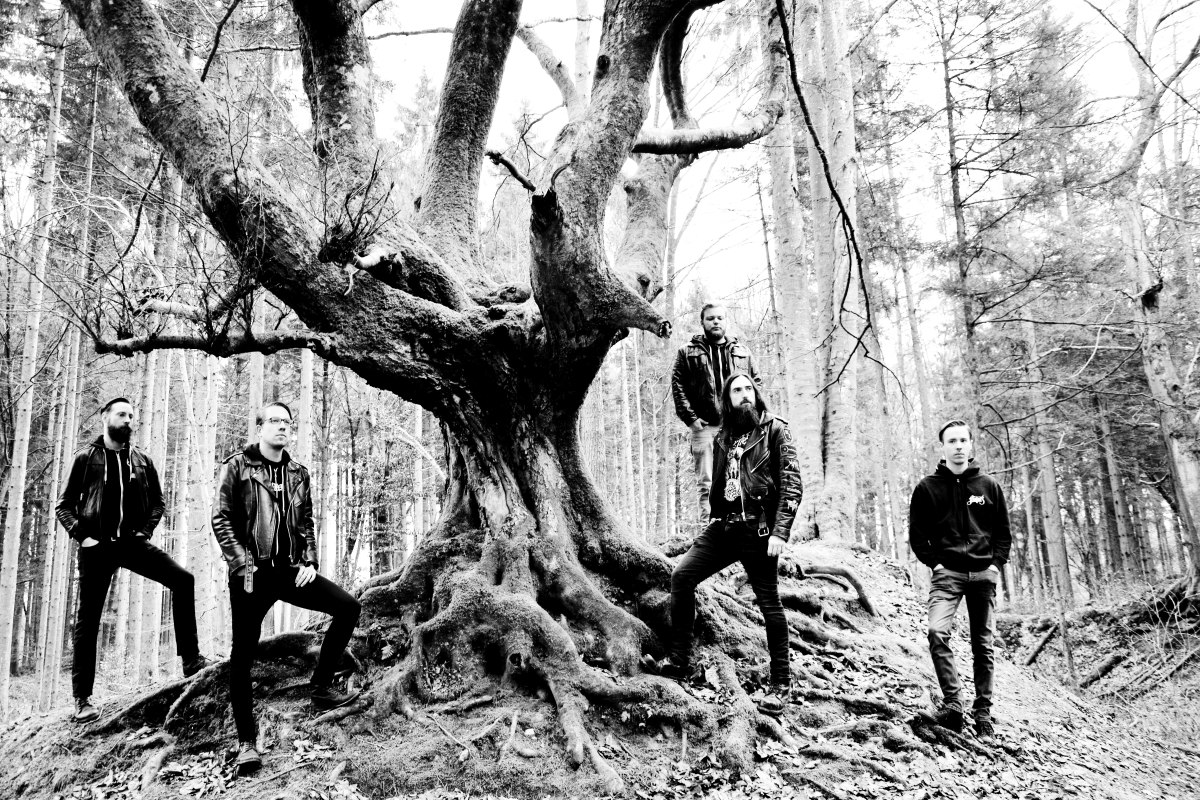
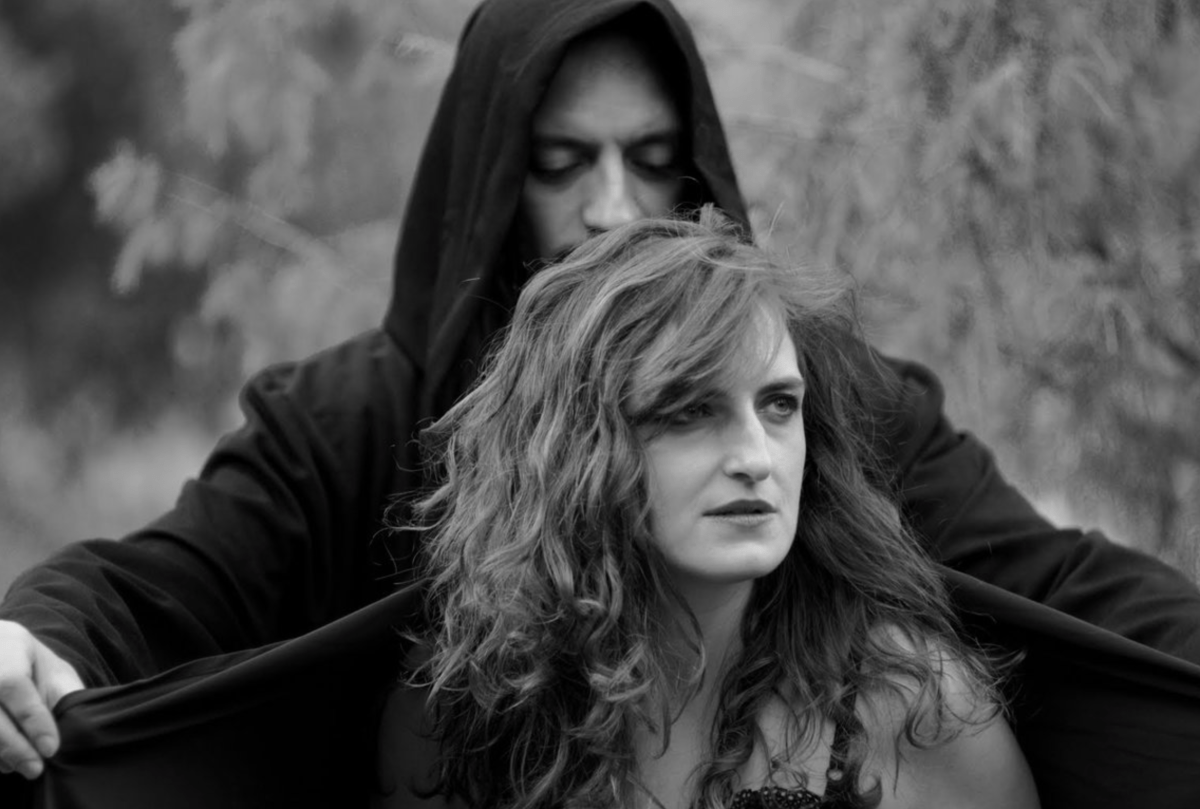


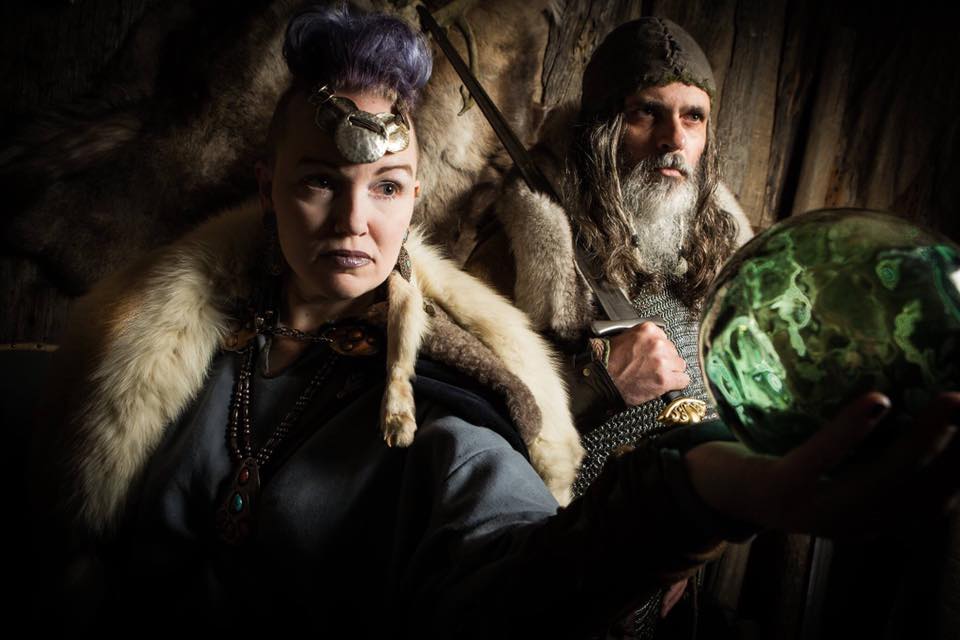
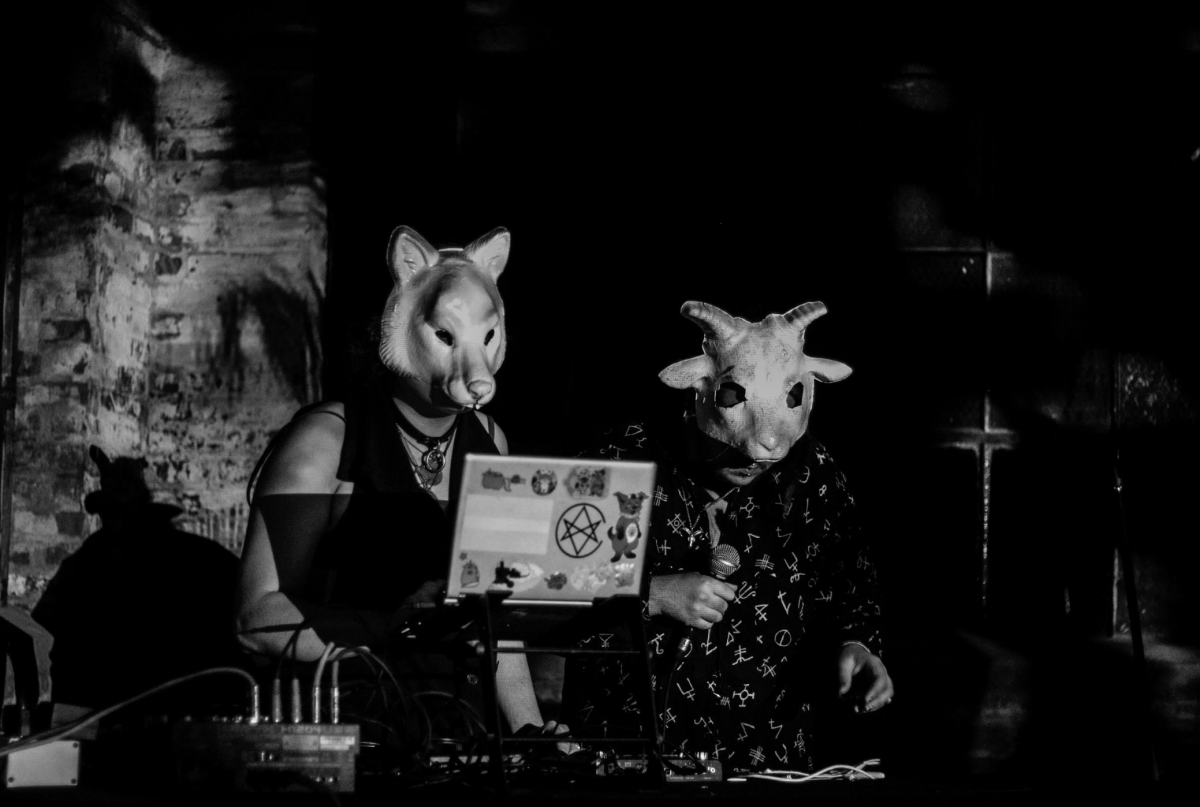
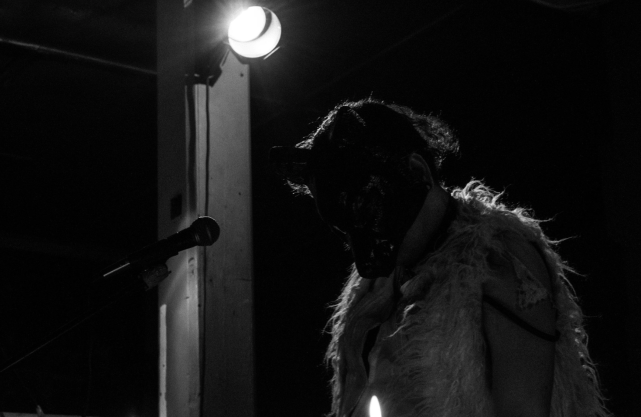
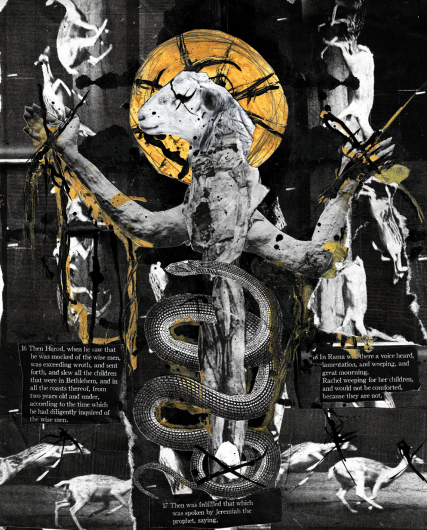
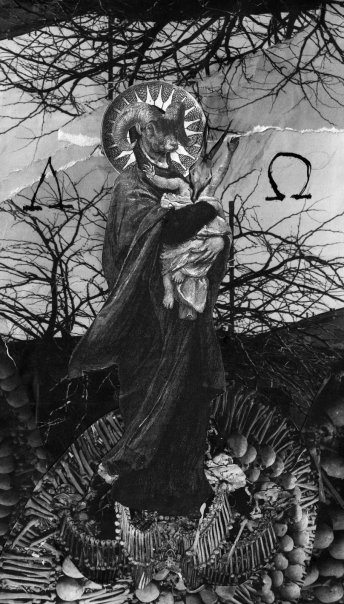
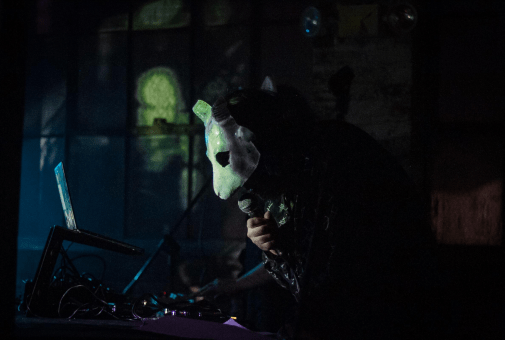
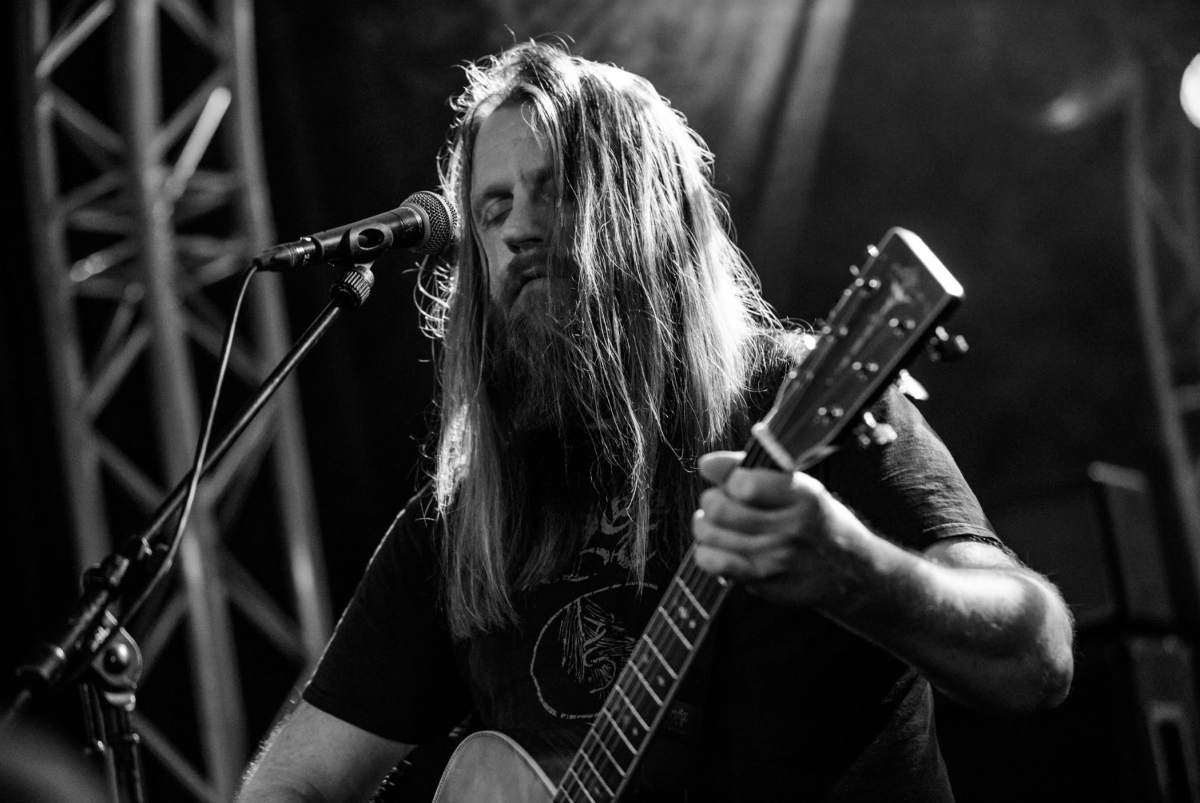

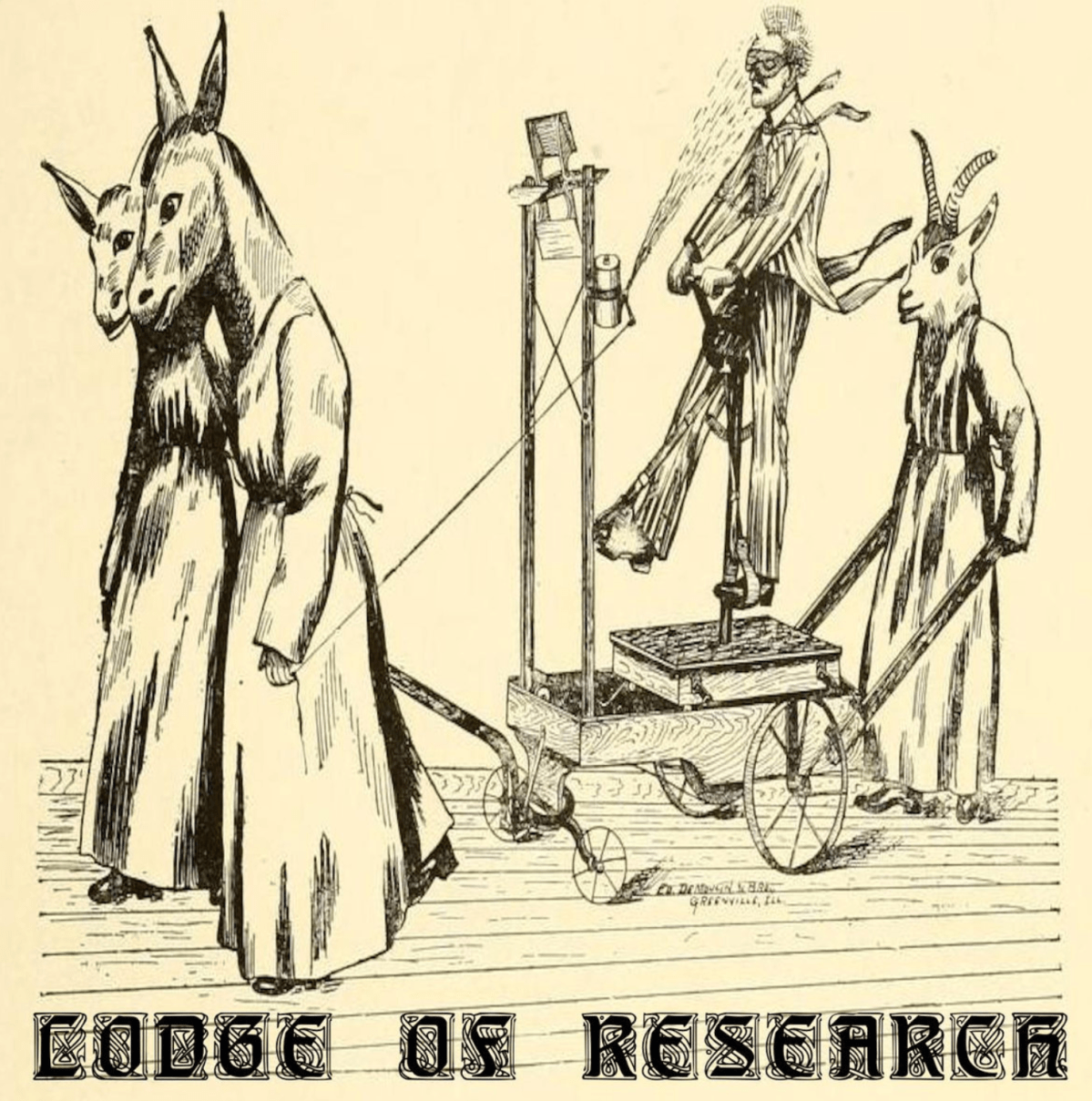


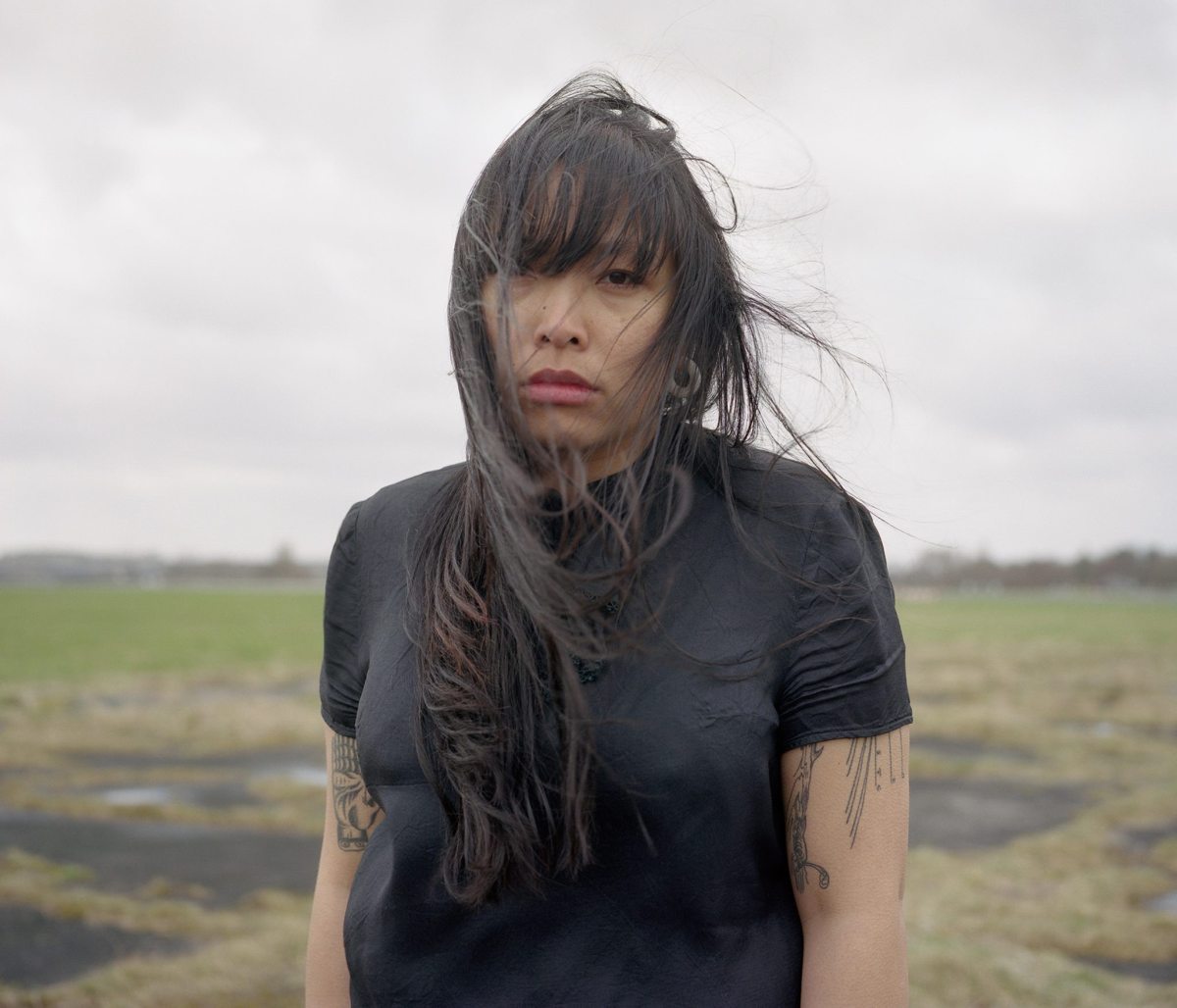
 A Blaze Ansuz: Antifascist Neofolk